Deadwood Removal: Why It Matters for Tree Health and Safety

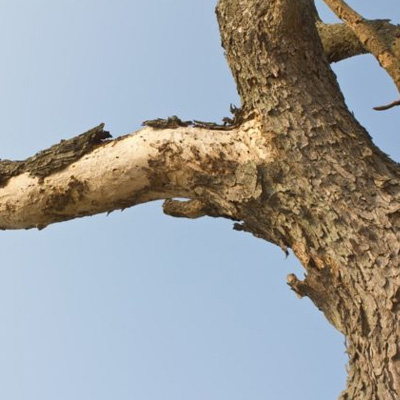
Deadwood refers to branches that have died off yet remain attached to an otherwise living tree. This issue can develop for many reasons; disease, insect damage, or environmental stress. Although these lifeless limbs may appear harmless at first glance, they pose genuine hazards for both the tree and the property around it. During storm winds, brittle branches are more likely to break, risking damage to structures and endangering anyone below.

Proactive deadwood removal enhances safety and supports long-term vitality, allowing a tree to focus resources on healthy growth. Below, we’ll look at how deadwood forms, the risks it creates, ways to identify trouble spots, proper removal methods, and why professional assistance can be essential for larger or more complicated cases.
Why Deadwood Occurs in Trees

Several factors can lead to branches dying back. Pests and fungal infections target weak or wounded areas, eventually halting nutrient flow and causing limb death. Older trees may lose certain branches naturally, especially if sunlight is blocked or if the foliage no longer serves a productive function. In some situations, environmental stress, such as drought or pollution, contributes to tissue decline over time.

If multiple branches on a single tree are affected, there could be an underlying health crisis like a widespread disease or severe pest infestation. Uncovering the root causes not only helps with immediate removal but also prevents further spread to healthier sections of the canopy.

Deadwood fallen tree

Risks and Consequences Presented by Deadwood

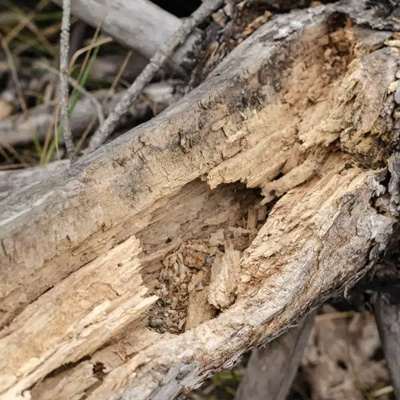
Deadwood poses a variety of threats. Structurally, these branches are unstable and prone to falling, especially during strong winds or heavy rainfall. A single failed limb can damage fences, vehicles, rooftops, or harm people below. In addition, decaying wood often harbors fungi or insects that may migrate to live portions of the tree, undermining overall health.

The risk extends beyond the immediate property line. A large branch could topple onto neighboring yards or public spaces if the tree stands close to boundaries. Simple steps like timely removal drastically reduce the chance of accidents, liability concerns, and expensive damage repairs.

Correctly Identifying Deadwood

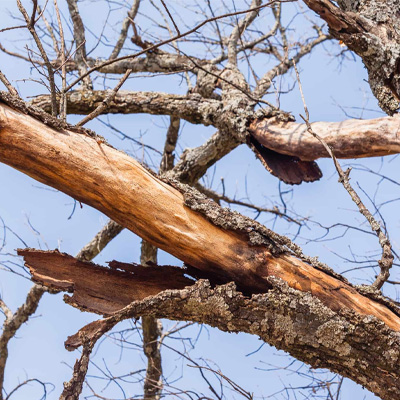
Observing specific indicators can help you detect limbs that no longer serve the tree. For instance, branches may remain bare even during peak growing seasons, while the rest of the tree leafs out. Another clue is discolored bark that peels away easily, revealing dry, brittle wood beneath. Sometimes a gentle scratch test, removing a small strip of surface bark, reveals brown or gray tissue where healthy wood should appear greenish.

Key Warning Signs to Look Out For

Below is a short list of clues pointing to potential deadwood. Scan through these, then continue reading about how best to handle confirmed trouble spots:

  • Dark, sunken bark or cracks along the branch
  • Persistent absence of leaves in an otherwise leafy canopy
  • Fungus or mushroom-like growth on the branch
  • Hollow-sounding wood when tapped

Taking action once these signs appear prevents hazards from escalating into major incidents.

deadwood branches

Proper Deadwood Removal Techniques

Removing deadwood is a form of pruning, and careful technique matters. Cuts should be made just outside the branch collar, the swollen area where branch and trunk meet, to promote faster healing. Using sharp, disinfected tools helps avoid introducing disease into the freshly pruned area.

In addition, planning removals during drier periods can reduce the spread of pathogens. Trimming large branches may require ropes, a harness, or specialized equipment to avoid harm to other limbs. Even seemingly minor mistakes, such as leaving a stub or cutting flush with the trunk, compromise healing and invite potential infections.

When to Consult a Professional for Deadwood Removal

Certain scenarios merit arborist assistance. Large limbs hanging over rooftops, telephone lines, or other high-risk zones can be dangerous to remove without the proper training and equipment. Extensive deadwood across multiple branches might signal deeper health issues, requiring a thorough tree inspection before pruning.

Professional arborists can identify underlying problems, such as rot or severe pest infestation, that led to branch death. They also ensure the tree remains balanced after removal, preventing uneven weight distribution that contributes to future breakage. By involving specialists, you minimize the risk of accidents and set the tree on a path to healthier growth.

peeling bark showing deadwood

Trust Deadwood Removal to Qualified Arborists

Deadwood removal is an essential aspect of tree care, offering both safety benefits and improved vitality. Dealing with dried, nonfunctional limbs before they cause accidents or foster decay helps maintain a stable canopy, especially during storm winds.Taking timely steps to remove deadwood prevents it from becoming a hazard and preserves the tree’s well-being for seasons to come.

With consistent monitoring, proper pruning, and expert guidance, any landscape remains safer, healthier, and more visually appealing. Our team of highly experienced, qualified arborists at O’Brien’s Tree Care understand what to look for when it comes to deadwood, operating with great care to ensure the safety of those around the tree both while carrying out the work and after we leave the site.

If you are concerned about the threat deadwood might be posing to your property, get in touch with O’Brien’s Tree Care by calling 0431 740 088 or clicking here.