Need a tree pruning quote? Tree size, access, branch location, pruning scope and equipment can all affect the overall cost.
Arboreal News & Developments
Here you can find helpful articles about your garden and general tips on tree maitenance.

Here you can find helpful articles about your garden and general tips on tree maitenance.
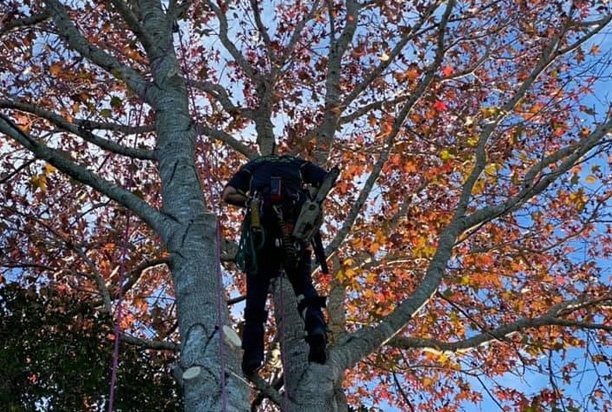
Need a tree pruning quote? Tree size, access, branch location, pruning scope and equipment can all affect the overall cost.
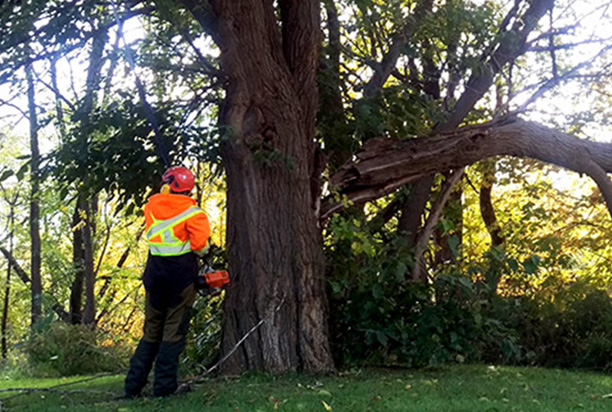
Buying a property with established trees? An arborist report can flag tree condition, likely maintenance costs and future site constraints.
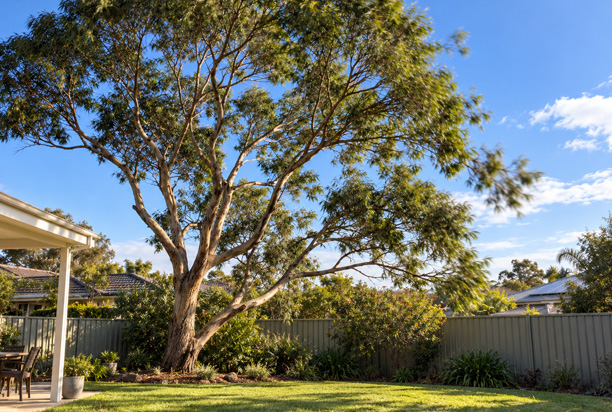
Tree swaying in strong wind is often normal, but movement at the base, soil lifting or a changing lean can indicate a stability issue.
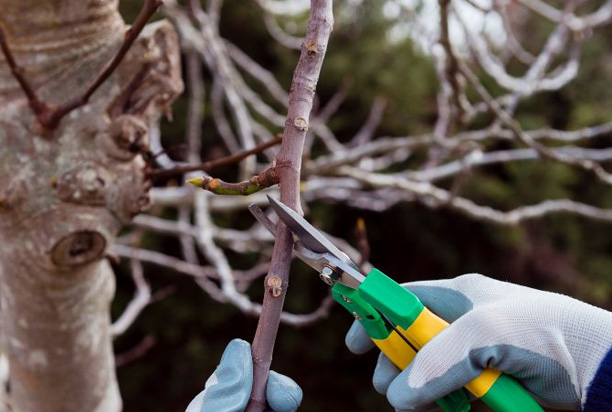
An over-pruned tree can recover, but weak regrowth, canopy loss and repeated hard pruning can create longer-term structural and health problems.

Tree not growing new leaves after winter? Extreme spring heat, root stress or damaged buds may be affecting growth. Check when assessment is needed.
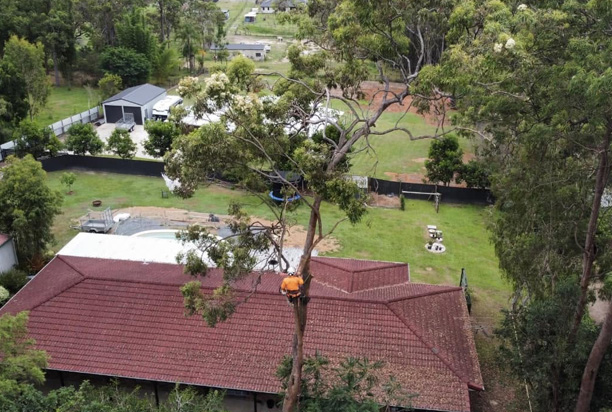
Lightning can damage a tree immediately or cause decline over time. Check the signs and whether pruning, monitoring or removal may be needed.
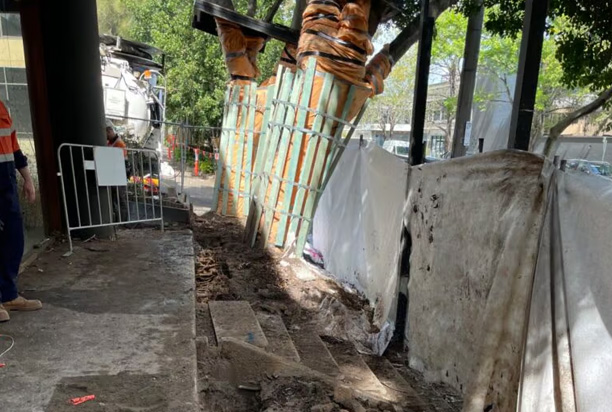
Building near established trees? An arborist report can address root impacts, tree protection and council requirements before work begins.
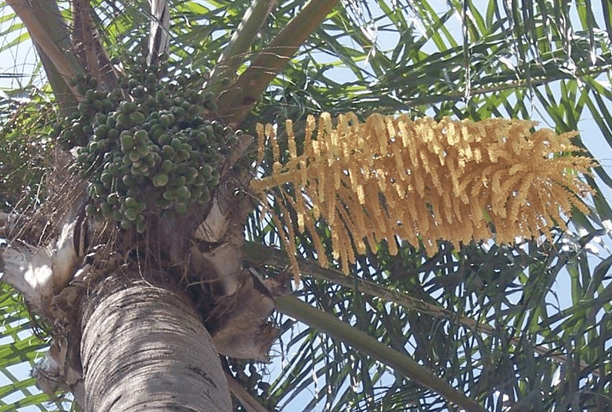
Palm tree cleaning removes dead fronds, seed pods and loose material while keeping healthy green growth in place for a tidy, balanced crown.
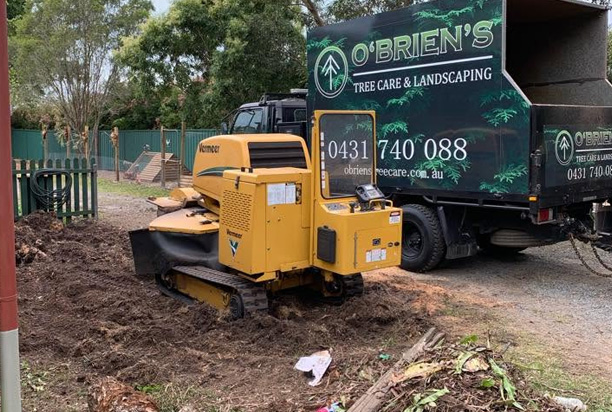
Stump grinding causes less ground disturbance, while stump removal clears more of the root ball. See which option suits your plans for the area.
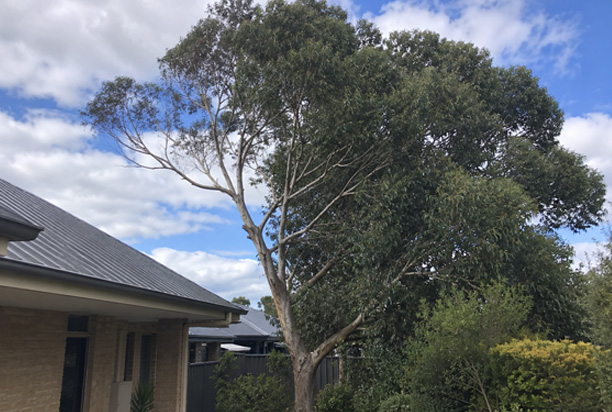
Tree pruning for roof clearance protects gutters, roofing and solar panels while maintaining healthy canopy growth around the home and property.
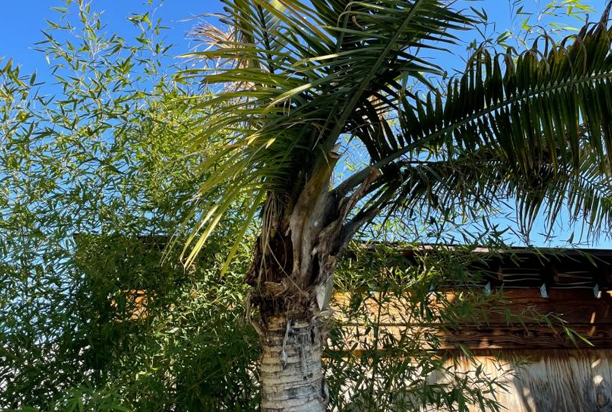
Not all brown palms are dead. Changes to the central spear, crown and upper trunk can show when recovery is unlikely and removal is needed.
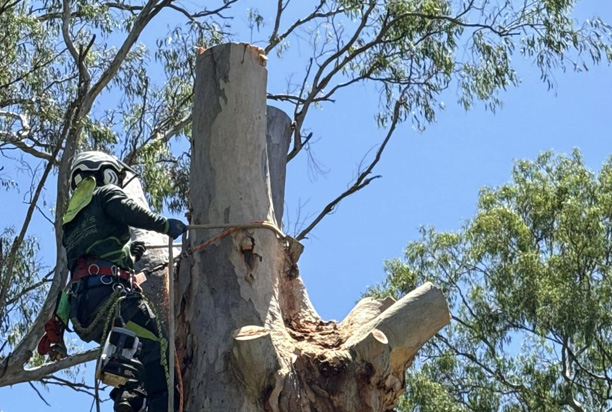
Dead tree removal is safer to consider before branches, timber, roots, or nearby property risks become harder to manage.