When a Palm Reaches the End of Its Lifespan and Becomes a Risk

Palms can remain standing for many years with little visible change, which makes it difficult to tell when they are moving beyond a stable condition. Unlike other trees, they do not show gradual structural decline in the same way. Instead, changes often appear in the crown or in the pattern of frond drop, while the trunk remains largely unchanged.

A palm’s lifespan is not defined only by age but by how well the crown continues to function. Once growth becomes irregular or slows significantly, the palm may no longer maintain the structure needed to support itself safely. At this stage, the focus shifts from appearance to how the palm is responding internally.
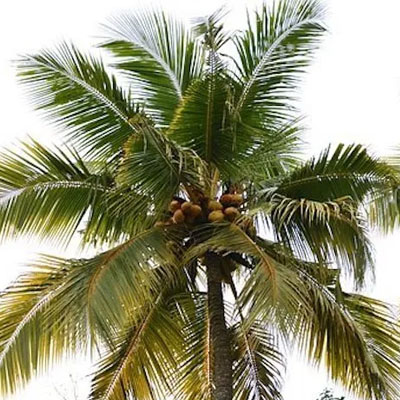
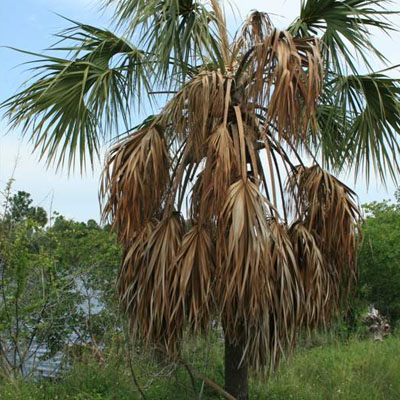
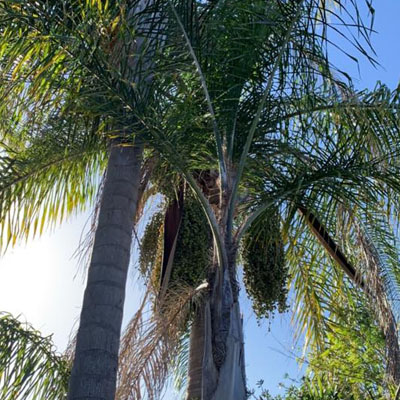
How Palm Trees Age Differently From Other Trees

Palms do not grow or recover in the same way as typical trees. Most species rely on a single growing point at the top of the trunk, known as the crown. All new fronds emerge from this area, and if it becomes weakened or stops functioning, the palm cannot produce replacement growth elsewhere.

Unlike branching trees, palms do not thicken their trunks over time or develop new structural support. The trunk is formed early and remains largely unchanged as the palm ages. This means that once decline begins in the crown, there is limited ability for the palm to compensate or recover, making later-stage changes more significant than they might appear.

Palm Trees Age Differently From Other Trees

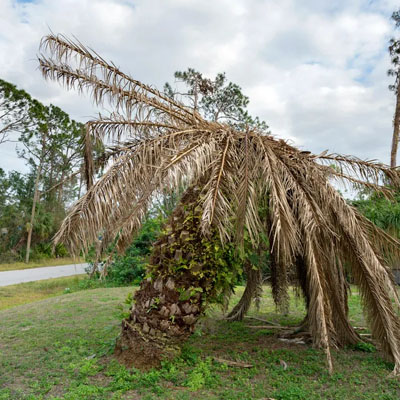
Signs a Palm Is Entering Late-Stage Decline

As a palm moves beyond its stable growth phase, changes tend to appear in the crown rather than the trunk. These shifts are often gradual at first, which can make them easy to overlook until the pattern becomes more consistent. Looking at how new growth compares to previous seasons helps identify when the palm is no longer maintaining normal function.

  • Smaller or shorter new fronds emerging from the crown compared to earlier growth.
  • Irregular spacing between fronds, creating a more open or uneven crown.
  • Discolouration that persists, rather than fading as part of normal ageing.
  • Reduced overall vigour, with slower growth and less consistent development.
  • Gaps forming in the crown, where new growth is not replacing older fronds effectively.
Palm Entering Late-Stage Decline

When these changes continue across multiple growth cycles, the palm may be moving into a stage where recovery becomes unlikely.

Why Older Palms Can Become Structural Risks

As palms age, their structure does not adapt in the same way as other trees. The trunk remains largely unchanged, while the crown continues to carry the full load of fronds and new growth. Over time, this can create a top-heavy structure, particularly in taller palms exposed to wind or open conditions.

Because all growth depends on the crown, any decline in that area affects the palm’s overall stability. Weak or irregular growth can change how weight is distributed, and repeated frond loss may reduce balance. In some cases, the palm continues to stand without obvious warning signs before failure, which is why later-stage decline is treated more cautiously than earlier growth changes.

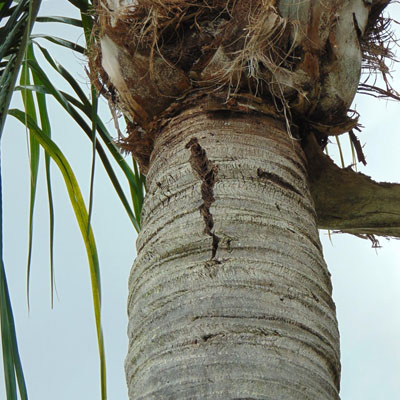
Warning Signs a Palm May No Longer Be Stable

As decline progresses, certain changes can indicate that the palm is no longer maintaining reliable structure. These signs often appear around the crown or in how the palm responds to environmental conditions. Looking for patterns rather than isolated changes provides a clearer indication of stability.

When these signs appear together, the palm may no longer be able to support its structure in a predictable way.

Warning Signs a Palm May No Longer Be Stable

Why Decline Can Progress Without Obvious Warning

Palm decline can advance without clear external signs because the critical changes occur within the crown. As long as some growth continues, the palm can appear stable even while its ability to sustain that growth is reducing. This delay between internal change and visible symptoms is why issues are often noticed late.

Once the crown is affected, the palm has limited capacity to adjust or recover. Unlike branching trees, it cannot redistribute growth to compensate for weakening areas. As a result, the shift from gradual decline to visible failure can occur over a relatively short period, particularly after environmental stress.

Decline Can Progress Without Obvious Warning

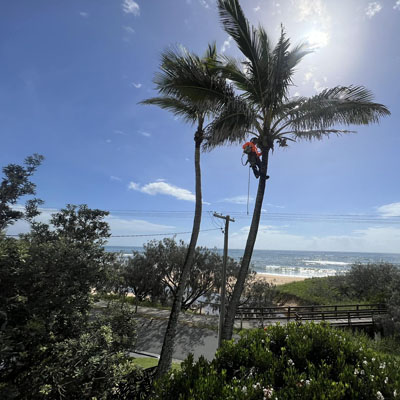
When Removal Becomes the Safer Option

There comes a point where an ageing palm can no longer maintain consistent growth or structural reliability. When decline affects the crown and begins to influence how the palm sheds fronds or responds to conditions, the level of risk increases. At this stage, maintaining the palm may no longer provide a predictable outcome.

  • Located near structures, vehicles, or walkways, where falling fronds or failure could cause damage or injury.
  • Repeated or irregular frond drop, especially when the pattern becomes difficult to anticipate.
  • Visible decline in the crown, with reduced or inconsistent new growth.
  • Ongoing changes in alignment or structure, including lean or base stress.
  • Limited ability to recover, where growth has slowed significantly or stopped.

When these factors are present, removal of the palm tree is often considered to reduce ongoing risk rather than respond after a failure occurs.

Palm Tree Removal Can Become the Safer Option

Concerned About an Ageing Palm on Your Property?

If a palm is showing signs of decline or shedding fronds unpredictably, its condition may no longer be as stable as it appears. Assessing how the crown is functioning and how the palm is responding to its environment helps determine whether it can remain in place or has reached a higher-risk stage. To arrange advice or an onsite inspection, contact O’Brien’s Tree Care on 07 5497 3116 or info@obrienstreecare.com.au.

FAQ: Palm Tree Lifespan

Lifespan varies by species and conditions, but many landscape palms remain viable for several decades. Structural condition becomes more relevant than age alone.

Recovery is limited because palms rely on a single crown for growth. Once that area is affected, the palm cannot replace it in the same way as other trees.

Not always. Frond shedding is part of normal growth, but increased or irregular drop can indicate stress or late-stage decline.

Pruning removes dead material but does not improve internal condition or restore crown function. It does not extend lifespan once decline has begun.

The primary concern is unpredictable frond drop or structural change as the crown weakens. This can create risk near buildings and access areas.

Assessment is recommended when growth becomes irregular, frond drop increases, or structural changes such as lean or crown distortion appear.