Why Some Trees Become More Problematic as They Age

Trees can grow for decades with few visible issues, which makes later changes easy to overlook. A tree that has always seemed stable may begin to show subtle differences in canopy shape, growth, or behaviour over time. These changes are not always linked to a single event but to how the tree has developed within its environment.

Age on its own does not make a tree problematic, but the way a tree grows, responds to stress, and carries its structure can shift over time. As these changes accumulate, certain species are more likely to develop patterns that affect how they perform in a landscape setting.
Why Age Affects Trees Differently

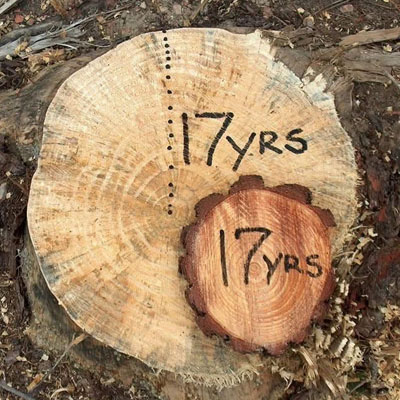
Trees do not all age in the same way. Growth rate, structure, and environmental conditions influence how a tree develops over time. Some species maintain balanced form and steady growth for decades, while others begin to show structural or maintenance issues as they mature.

Faster-growing trees often prioritise rapid expansion over long-term structural strength. As they age, this can lead to heavier canopies or weaker attachment points that require ongoing management. Slower-growing species may develop more stable structure, but can still be affected by site conditions such as restricted root space, soil compaction, or repeated environmental stress.

Some Trees Become More Problematic as They Age - Ageing affects trees differently

Ageing Patterns That Increase Structural Issues

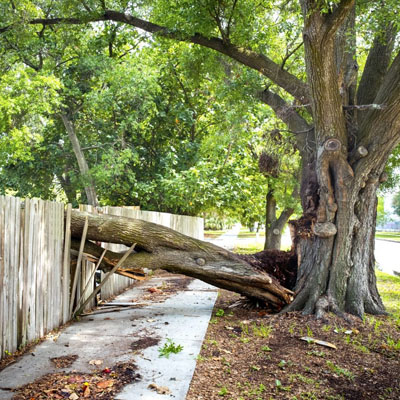
As trees mature, certain growth patterns can begin to place additional pressure on their structure. These changes often develop gradually and may not be noticeable until they start affecting how the tree behaves in its environment.

  • Increasing canopy weight over time can place more load on branches and attachment points, particularly in species that develop wide or dense crowns.
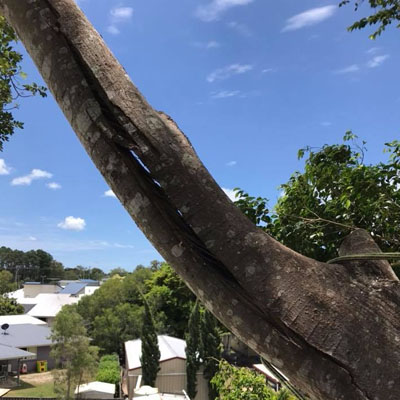
  • Development of co-dominant stems can create weak junctions where multiple leaders compete, increasing the chance of splitting as the tree grows.
  • Internal decay forming slowly can reduce strength without obvious external signs, especially in older trees with past damage.
  • Restricted root systems from surrounding structures or soil conditions can limit stability as the tree continues to grow.
  • Repeated exposure to environmental stress such as wind, heat, or moisture changes can compound over time and weaken structure.

When these patterns combine, the tree may begin to behave differently than it did in earlier growth stages.

Some Trees Become More Problematic as They Age - Structural Issues

Common Landscape Trees That Develop Issues With Age

Certain species are widely planted because they establish quickly or provide strong visual impact, but their growth habits can lead to ongoing issues as they mature. These patterns are not faults in the species themselves, but they can become more noticeable over time depending on how and where the tree is growing.

Trees such as Delonix regia often develop broad canopies with heavy lateral branches. As these branches extend, they can place increasing load on attachment points, particularly in exposed areas. Eucalyptus species can grow tall with significant canopy mass, and older specimens may shed limbs under certain conditions. Melaleuca quinquenervia tends to favour moisture-rich environments, and in altered soil conditions its root support can be affected over time.

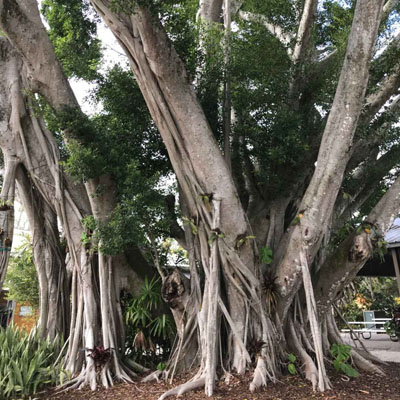
Some Trees Become More Problematic as They Age - Ficus microcarpa

Larger spreading species like Ficus microcarpa can outgrow the space they were originally planted in, leading to ongoing interaction with structures both above and below ground. Even smaller ornamental species such as Syzygium australe can develop dense canopies that require consistent maintenance as they age. The way each species responds to time and environment determines how these issues present.

Signs Age Is Becoming a Factor

As trees mature, changes linked to age tend to appear gradually rather than all at once. These shifts often reflect how the tree is coping with its structure, environment, and accumulated stress over time. Looking at patterns rather than isolated changes helps determine whether age is beginning to influence performance.

When these signs begin to appear together, the tree may be moving into a stage where ongoing management becomes more important.

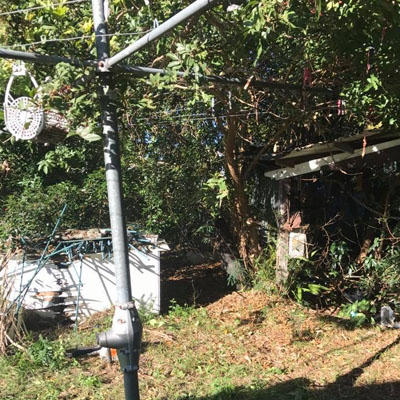
Some Trees Become More Problematic as They Age - Age becoming a factor

Why Changes Often Build Gradually, Then Appear Suddenly

Age-related changes in trees rarely occur as a single event. Structural adjustments, minor damage, and environmental stress can accumulate over time without obvious external signs. The tree continues to function, which can make it appear stable even as underlying changes develop.

The shift becomes noticeable when these accumulated factors reach a point where the tree can no longer compensate as effectively. At that stage, changes such as limb drop, cracking, or canopy loss may seem to happen suddenly. In reality, they reflect a longer progression that has only just become visible.

When Ageing Trees Require Closer Management

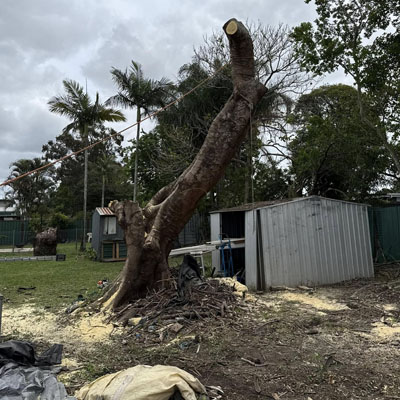
As trees mature, ongoing observation becomes more important, particularly when they are growing within built environments. Changes linked to age do not always require immediate action, but they can shift how the tree interacts with its surroundings. In these situations, management focuses on maintaining stability rather than reacting to isolated issues.

  • Located near homes, structures, or access areas, where even minor changes can have greater impact.
  • Showing repeated issues over time, such as limb drop or canopy thinning across multiple seasons.
  • Outgrowing the space available, with canopy or roots interacting more frequently with nearby features.
  • Developing structural features like co-dominant stems, cracks, or internal cavities.
  • Responding differently to weather conditions, with more noticeable effects after wind or heavy rain.
Some Trees Become More Problematic as They Age - Aged trees can require closer management

When these factors are present, periodic tree assessments help identify changes early and guide appropriate management.

Concerned About Changes in an Ageing Tree?

If a tree on your property is behaving differently than it did in earlier years, a closer assessment can help determine whether those changes are part of normal growth or linked to developing issues. Looking at structure, canopy patterns, and how the tree responds to its environment provides a clearer picture of its condition. To arrange advice or an onsite inspection, contact O’Brien’s Tree Care on 07 5497 3116 or info@obrienstreecare.com.au.

FAQ: Problematic Ageing Trees

No. Age alone does not make a tree problematic. Changes depend on how the tree has grown, how it is structured, and how it responds to its environment over time.

Yes. Growth habits and structure vary between species, which can influence how they perform over time. Some develop dense canopies or heavier limbs that require more management.

In many cases, yes. Ongoing maintenance and monitoring can help manage structural changes and extend the tree’s functional life within a landscape.

Changes often appear as thinning canopy, increased limb drop, or the development of structural features such as cracks or hollows.

Not necessarily. Removal depends on condition, location, and how the tree is interacting with its surroundings rather than age alone.

Trees showing changes over time may benefit from periodic assessment to track progression and guide management decisions.