Cracks in Tree Trunks: When They Indicate Structural Risk

Cracks appearing in a tree trunk can be difficult to interpret, especially when they seem to form suddenly or become more noticeable over time. Some remain stable and unchanged, while others widen or extend, raising concern about the tree’s strength. The appearance alone does not always indicate how serious the issue is.

Tree trunk cracks can develop for a range of reasons, from natural growth patterns to changes in moisture, temperature, or structural load. The level of risk depends on how the crack has formed, how deep it extends, and whether it is affecting the tree’s ability to carry weight.
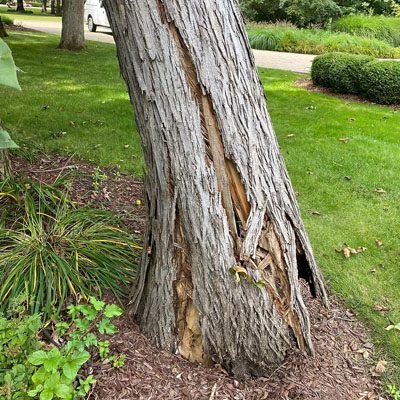
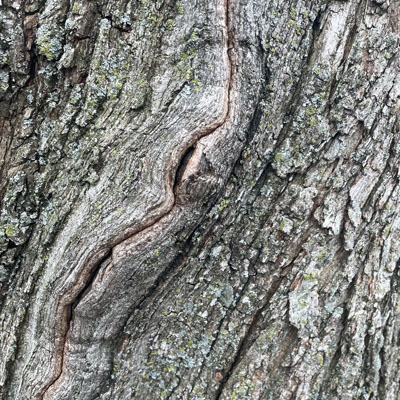
Why Cracks Form in Tree Trunks

Cracks can form in tree trunks as a result of internal stress building within the wood. As trees grow, layers expand and adjust to changing conditions, which can place pressure on certain areas of the trunk. When that pressure exceeds what the wood can accommodate, a split may develop.

Environmental factors also contribute to crack formation. Rapid changes in temperature, moisture levels, or soil conditions can cause the wood to expand and contract unevenly. Structural load plays a role as well, particularly in trees with heavy canopies or uneven weight distribution. These combined influences can lead to visible cracking without immediate failure.

Why Cracks Form in Tree Trunks

Types of Cracks That May Be Normal

Not all cracks indicate a structural problem. Some develop as part of natural growth or as a response to environmental conditions and remain stable over time. Identifying these types helps separate cosmetic changes from potential risk.

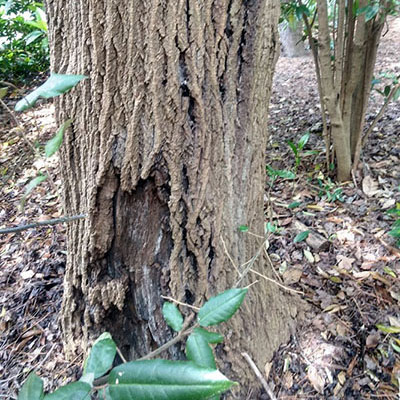
  • Shallow surface cracking in the bark often occurs as the outer layer expands and adjusts. These cracks typically do not extend into structural wood.
  • Seasonal expansion lines can appear during periods of rapid growth or temperature change. These may open and close without progressing further.
  • Old, stabilised cracks that have not changed over time may no longer be active. The surrounding wood can adapt and maintain strength.
  • Growth-related fissures can form as the trunk increases in diameter. These are usually even and do not disrupt the tree’s load-bearing structure.
  • Minor bark splits following weather events may look severe initially but do not always indicate deeper damage.
Shallow surface cracking in the bark often occurs as the outer layer expands

When cracks remain shallow, stable, and unchanged, they are often part of normal development rather than a sign of structural failure.

When Cracks Indicate Structural Stress

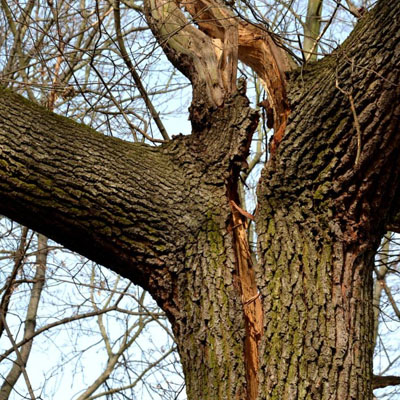
Cracks become more significant when they extend beyond the outer bark and into the structural wood of the trunk. At this point, the split is no longer just a surface feature but a sign that the tree is under load or experiencing internal failure. The direction and depth of the crack play a major role in how serious the situation may be.

Vertical cracks that run along the trunk, especially through primary stems, can indicate that the tree is struggling to distribute weight evenly. If the crack aligns with areas of heavy canopy load or follows a line of structural weakness, the risk increases. Changes over time, such as widening or extending splits, often suggest that the stress is ongoing rather than resolved.

When Cracks Indicate Structural Stress

Warning Signs a Crack May Lead to Failure

A crack becomes more concerning when it is accompanied by changes in the tree’s structure or behaviour. These indicators suggest that the split is affecting the tree’s ability to carry load rather than remaining a stable feature.

  • The crack is widening or extending over time, particularly after wind or rain.
  • Deep vertical splits through the trunk or main stems that follow load-bearing areas.
  • Movement along the crack line, where sections of the trunk appear to shift slightly.
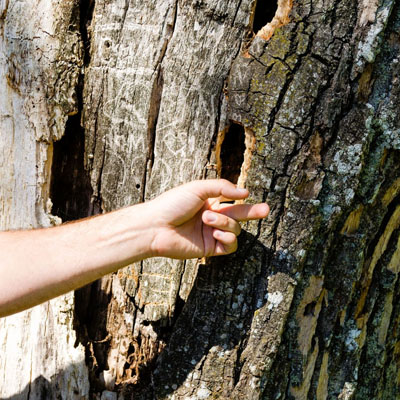
  • Moisture or dark staining within the crack, which may indicate internal decay developing.
  • Uneven canopy weight above the split, increasing pressure on the affected area.
  • New lean or change in alignment, especially if it develops after the crack appears.

When these signs occur together, the likelihood of structural failure increases and the tree may require closer assessment by a qualified arborist.

Warning Signs a Crack May Lead to Failure

Why Some Cracks Worsen Over Time

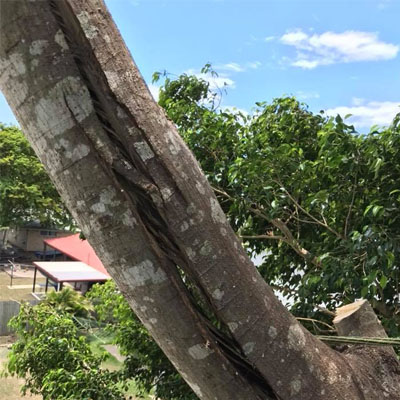
Once a crack forms, the affected area no longer distributes load in the same way as intact wood. Even if the tree appears stable at first, small movements can concentrate stress along the split. This can gradually extend the crack without any obvious external trigger.

Changes often become noticeable over time rather than immediately. A crack that remains unchanged for a period can begin to widen later as the tree continues to carry its normal load. This delayed progression is why some cracks appear stable at first but become more significant months after they form.

Why Some Cracks Worsen Over Time

What to Do If a Tree Develops a Crack

A crack in a tree trunk should be observed rather than acted on immediately. The key is to determine whether it remains stable or begins to change over time. A measured approach helps avoid unnecessary intervention while still identifying when the situation may be progressing.

  • Monitor the crack over time to see if it is widening, extending, or changing after weather events.
  • Avoid attempting to seal or fill the crack, as this can trap moisture and contribute to further decay.
  • Watch for structural changes such as lean, canopy imbalance, or movement at the base.
  • Take note of recent conditions including storms, heat, or soil changes that may have contributed.
  • Arrange a tree assessment if the crack progresses or is located in a major load-bearing area.
An arborists assessment can help determine if the crack in your trees will be problematic in the future

Ongoing observation helps determine whether the crack remains a stable feature or develops into a structural concern.

Concerned About a Cracked Tree on Your Property?

If a tree has developed a crack and you’re unsure whether it affects stability, a closer assessment can determine whether the split is stable or progressing under load. Early attention helps manage risk without unnecessary removal. To arrange advice or an onsite inspection, contact O’Brien’s Tree Care on 07 5497 3116 or info@obrienstreecare.com.au.

FAQ: Cracks in Tree Trunks

Not always. Some cracks remain stable and do not affect structural strength. The level of risk depends on depth, direction, and whether the crack is changing over time.

Trees do not heal cracks in the same way as other materials, but they can stabilise them by forming new growth around the area. Some cracks remain unchanged for years.

Sealing or filling is not recommended, as it can trap moisture and lead to further decay. Trees are better left to respond naturally.

Vertical cracks can be more significant when they extend through structural wood or align with load-bearing areas. Their impact depends on depth and progression.

Cracks can form after rapid changes in temperature, moisture, or structural load. The conditions that caused the split may have developed over time.

Assessment is recommended if the crack is deep, widening, located in the main trunk, or accompanied by lean, movement, or canopy imbalance.