Tree Health Assessments: What an Arborist Is Actually Looking For

Trees can look healthy from a distance while still showing signs of stress, decline, or structural change on closer inspection. A full canopy or upright form does not always reflect what is happening through the trunk, root zone, or branch structure. This is why problems are often noticed only after a visible symptom becomes harder to ignore.

Tree health assessments look beyond surface appearance and focus on how the tree is functioning as a whole. Changes in growth, structure, stability, and surrounding conditions all contribute to the picture. The purpose is not just to decide whether a tree is healthy or unhealthy, but to identify what is changing and what that may mean over time.
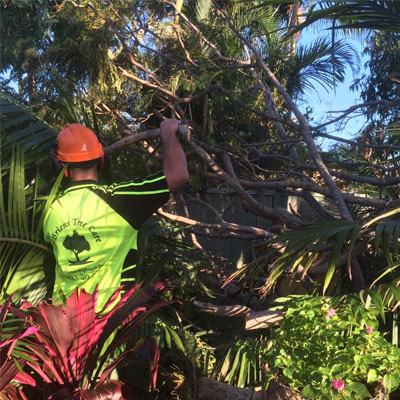
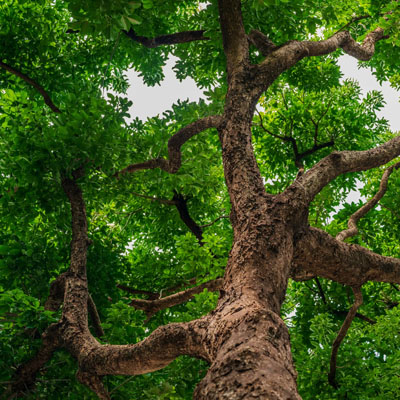
What a Tree Health Assessment Actually Involves

A tree health assessment is not limited to checking whether a tree is alive, dead, or visibly damaged. It looks at how the tree is growing, how it is carrying its structure, and how it is responding to the conditions around it. Even small changes in one area can help explain larger patterns developing elsewhere.

The assessment considers the tree as a connected system rather than a series of separate symptoms. Canopy condition, trunk behaviour, root zone changes, and site factors are all read together to understand whether the tree is stable, stressed, or beginning to decline. This broader view is what makes an assessment useful when the cause of a problem is not immediately obvious.

Tree Health Assessments: What an Arborist Is Actually Looking For - Assessment

What Arborists Look For in the Canopy

The canopy often provides the earliest visible signs that something has changed within the tree. Differences in leaf density, colour, size, and seasonal growth can all point to underlying stress or imbalance. Looking at these patterns helps place symptoms in context rather than treating them as isolated problems.

  • Leaf density and canopy fullness can show whether growth is being maintained evenly or thinning over time.
  • Colour and vigour of foliage help indicate how well the tree is sustaining healthy growth.
  • Dieback at branch tips may suggest that stress is moving beyond foliage into structural areas.
  • Uneven growth across the canopy can reveal issues linked to light, root conditions, or structural loading.
  • Changes from previous seasons often provide the clearest indication that the tree’s condition is shifting.

When these patterns combine, the tree may begin to behave differently than it did in earlier growth stages.

What Arborists Look For in the Canopy

What the Trunk and Branch Structure Can Reveal

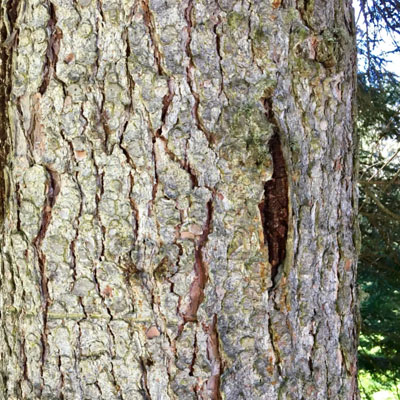
The trunk and branch framework often show whether a tree is carrying load in a stable way or beginning to develop weaknesses. Cracks in tree trunks, cavities, old wound sites, and branch unions can all indicate how the tree has responded to past stress or damage. These features help show whether a visible issue is isolated or part of a broader structural pattern.

Branch arrangement also matters. Co-dominant stems, heavy lateral growth, or uneven weight distribution can change how force moves through the tree during wind or seasonal growth. When these structural features are read alongside trunk condition, they provide a clearer picture of how well the tree is supporting itself.

Tree Health Assessments: What an Arborist Is Actually Looking For - Trunk Cracks

Why the Root Zone Matters So Much

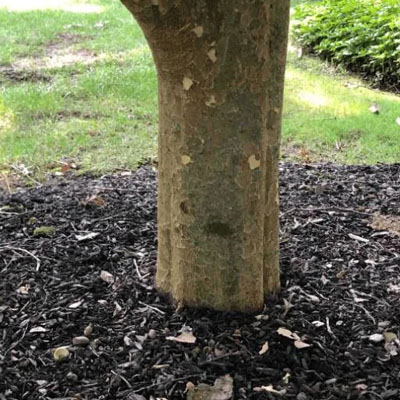
A tree’s condition above ground is closely tied to what is happening below it. The root zone affects anchoring, moisture uptake, nutrient access, and the tree’s ability to respond to stress. Changes in this area can influence the canopy and structure long before obvious decline appears.

  • Soil movement or lifting near the base can indicate changes in anchoring or root stability.
  • Compacted ground may restrict oxygen flow and reduce healthy root function over time.
  • Exposed roots can signal erosion, soil loss, or changing growth conditions.
  • Fungal activity near the base may point to decomposition in the soil or root system.
  • Drainage changes or prolonged wetness can alter how roots perform and how well the tree remains supported.

Because roots operate out of sight, small changes around the base often carry more importance than they first appear to.

Tree Health Assessments: What an Arborist Is Actually Looking For - Root Zone

How Location Changes the Assessment

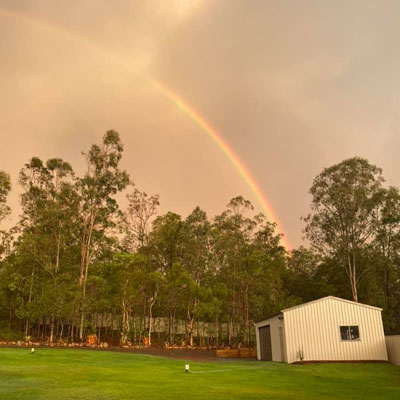
The same tree can be considered differently depending on where it is growing. A structural issue in an open part of a yard may carry a very different level of concern than the same issue beside a house, driveway, or frequently used area. Location affects how much consequence is attached to the condition being observed.

Trees growing in restricted spaces also tend to face different pressures over time. Root zones may be limited by paving or retaining walls, while canopies may be influenced by nearby buildings, fences, or repeated pruning for clearance. These factors shape how the tree grows, how it carries load, and how closely it needs to be managed.

Tree Health Assessments: What an Arborist Is Actually Looking For - Location changes assessment

When a Tree Health Assessment Becomes More Important

There are certain points where a closer assessment becomes more valuable because conditions have changed or a pattern is starting to develop. In these situations, the goal is to identify what is shifting before the problem becomes more obvious or more difficult to manage. Timing matters because many tree issues build gradually before they are clearly visible.

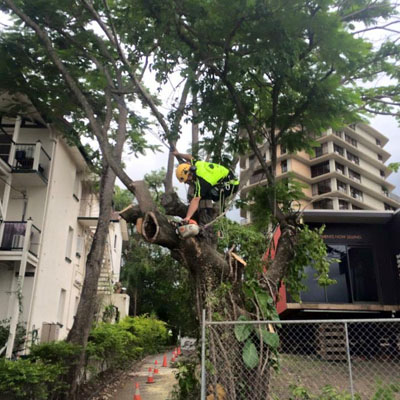
  • After storms or strong winds, when movement, branch damage, or subtle structural changes may not be obvious straight away.
  • Following construction or ground disturbance, which can affect roots, soil levels, and long-term stability.
  • When visible decline begins to appear, such as thinning foliage, dieback, or reduced seasonal growth.
  • After repeated branch drop or changing canopy behaviour, especially if the pattern is becoming more frequent.
  • When a tree starts leaning, cracking, or behaving differently than it has in previous years.
Tree Health Assessments: What an Arborist Is Actually Looking For - After Storm Assessment

In these situations, an assessment helps connect the visible changes to what may be happening through the tree as a whole.

Need a Tree Checked Properly?

If a tree on your property is showing changes in growth, structure, or overall behaviour, a closer assessment can help determine what those changes mean and whether they are progressing. Looking at the canopy, trunk, root zone, and site conditions together provides a clearer picture than appearance alone. To arrange advice or an onsite inspection, contact O’Brien’s Tree Care on 07 5497 3116 or info@obrienstreecare.com.au.

FAQ: Tree Health Assessments

A tree health assessment looks at the tree as a whole rather than focusing on one visible symptom. It considers growth patterns, structure, root zone condition, and surrounding site factors to build a clearer picture of the tree’s current state.

This depends on the age, location, and condition of the tree. Trees showing change over time, growing near structures, or responding differently after weather events often benefit from closer review.

Yes. Trees can appear full and stable from a distance while underlying issues are developing through the trunk, roots, or branch structure. Visible symptoms do not always appear straight away.

No. Assessments are also useful when a tree is growing near buildings, changing over time, or being affected by recent site conditions. The value is often in identifying changes early rather than reacting later.

That depends on what the assessment shows. In some cases, the next step may be monitoring or maintenance, while in others it may involve more active management to address a developing issue.

It can help identify structural concerns, patterns of decline, and factors that may be affecting stability. The purpose is to determine how the tree is functioning and whether its condition is changing in a way that requires attention.