Tree Leaning After a Storm: When Should You Be Concerned?

Storms can shift a tree in ways that are easy to overlook, especially when strong winds and soaked soil occur together. A tree that suddenly changes its angle may not return to its original position, and those early signs often appear before the weather has fully settled. These small movements are common during storm season, but they can also reveal deeper structural stress that needs attention.

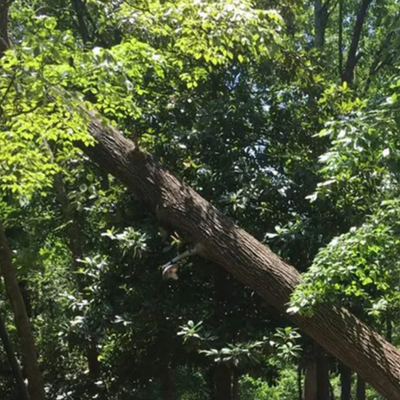
A tree leaning after a storm might look secure at first, but the movement often continues as the ground settles and the roots adjust. Subtle cracks in the soil, uneven crown weight, or a steady increase in lean are all signs that the tree may be unstable. This is why the period immediately after heavy weather is the best time to assess changes and prevent further movement.
Why Trees Start Leaning After Storms

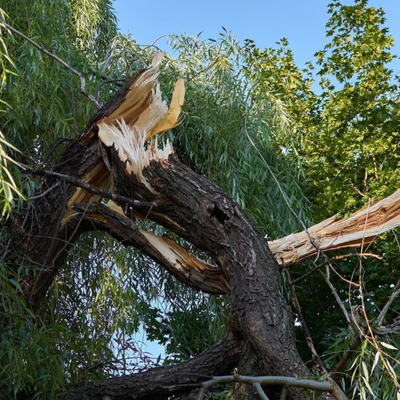
Storms place a tree under forces that act faster than the tree can adapt. Strong winds push the canopy in one direction while saturated soil weakens the root zone’s ability to hold firm. When the wind pressure exceeds the tree’s natural stability, the trunk can shift slightly and settle at a new angle. Even a small lean can indicate that the root plate has moved or that the soil has lost enough structure for the tree to slip under load.

Heavy rain also reduces soil strength around the roots, making it easier for the wind to lift one side of the root system. Trees with shallow or compacted roots can be even more vulnerable, especially if they have uneven canopy weight. Once the soil has softened, any extra movement in the trunk or crown can cause the tree to tilt further, making recovery difficult without targeted support.

Tree Leaning After a Storm: When Should You Be Concerned?

Early Warning Signs That a Leaning Tree Is Becoming Hazardous

When a tree begins to lean after a storm, the earliest clues usually appear around the base and lower trunk. These small changes reflect how the tree has shifted and whether the root system is still holding its weight. Many of these indicators develop within hours or days of the initial weather event.

  • Fresh cracks in the soil around the base often show that the ground has moved recently. These cracks widen as the tree settles into a new angle and the soil stretches under pressure.
  • Raised soil on one side of the trunk can indicate that the root plate has begun lifting. This usually happens when the anchoring roots have lost strength after heavy wind or waterlogging.
  • Exposed roots that were previously underground may reflect a rotation of the tree within the soil. This typically appears on the side opposite the lean and signals deeper displacement.
  • New creases or small splits in the trunk can form when the tree bends under uneven weight. These failures weaken the structure further and may expand if the lean continues.
  • A canopy that suddenly tilts or appears compressed on one side often shows that the tree’s centre of balance has shifted. This change can increase stress on both the trunk and root zone.
  • Noticeable movement during light winds is a strong sign that the tree has lost stability. When a storm-damaged tree continues to sway in calm conditions, the risk of further leaning is significantly higher.
Tree Leaning After a Storm: When Should You Be Concerned?

These signs can escalate quickly during storm season, especially when the ground remains saturated. Assessing them early helps prevent the tree from reaching a point where sudden failure becomes likely.

When a Lean Is ‘Normal’ and When It Isn’t

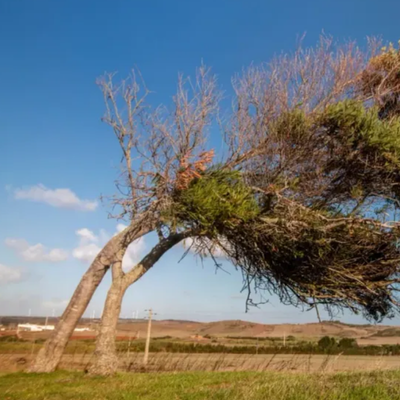
Some trees develop a natural lean over many years as they grow toward sunlight or adjust to nearby structures. This gradual change is usually stable because the root system adapts slowly and strengthens in the direction of growth. A long-term lean rarely shifts quickly, and the tree often shows no signs of stress around the trunk or soil.

A sudden lean after a storm is very different because the tree has moved faster than its roots can adjust. The angle may continue increasing over the following days, especially if the ground stays wet or the tree is carrying uneven canopy weight. When the lean appears quickly and the tree seems to tilt further with each round of wind, it is far more likely to be unstable and require assessment.

Tree Leaning After a Storm: When Should You Be Concerned?

What You Should Do Immediately After Noticing a Lean

Once you notice a tree has started to lean after a storm, the first priority is safety rather than trying to correct it. A tree that has shifted may still be under tension, and even light movement can cause further damage to the roots or trunk. Taking calm, simple steps in the first few hours can reduce risk while you organise a proper assessment.

  • Keep people, pets, and vehicles away from the drop zone in the direction of the lean. This area is where the tree is most likely to fall if the structure gives way, and avoiding it reduces the chance of injury or damage.
  • Take a slow walk around the tree from a safe distance and look for changes in the soil, roots, and trunk. Fresh cracks, raised ground, or new splits are all signs that the tree may not be secure.
  • Avoid cutting branches or trying to “lighten” the tree yourself, as this can shift the balance unexpectedly. Removing weight from the wrong area often increases instability rather than improving it.
  • Do not attempt to pull the tree back upright with ropes, vehicles, or makeshift bracing. These methods can cause sudden failure in weakened roots or wood and create a serious safety hazard.
  • Take clear photos of the lean, soil, and surrounding area to document any changes. These images help us understand how the tree has moved and provide useful context if the lean continues to worsen.
Tree Leaning After a Storm: When Should You Be Concerned?
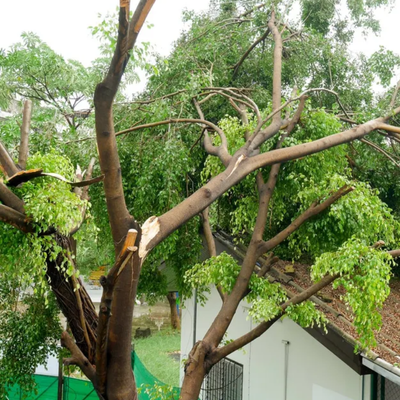
  • If the tree is near power lines, buildings, driveways, or play areas, treat the situation as urgent and limit access to those spaces. Even a partial failure in these locations can cause significant damage.

Once you have made the area safe and gathered basic observations, the next step is to arrange a professional tree assessment. Early contact gives us the best chance to stabilise the tree where possible or plan safe removal if the risks are too high.

How We Stabilise and Make Decisions About Leaning Trees

When we assess a leaning tree, the first step is to understand how quickly the movement occurred and whether the root system is still responding to load. A slow, minor shift may be manageable, but a rapid lean usually indicates that the anchoring roots have been stressed beyond their capacity. By looking at the trunk, soil movement, canopy weight, and the direction of the lean, we can determine whether the tree has a realistic chance of recovering.

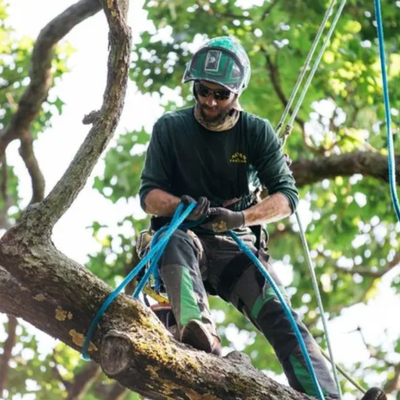
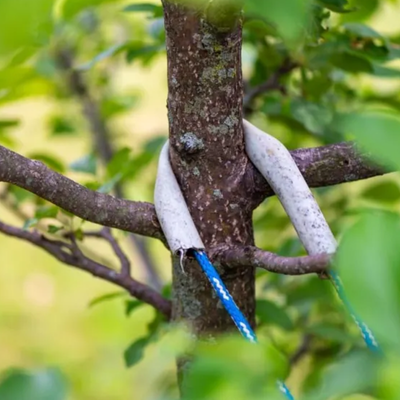
Our approach focuses on identifying safe options rather than forcing the tree back into place. Some trees can be stabilised with selective weight reduction and support methods that help reduce strain while the structure settles, while others have root systems that are too compromised to retain safely. If tree removal is required, we plan it carefully to prevent further damage to surrounding structures and to eliminate the risk of sudden failure during the next storm.

Tree Leaning After a Storm: When Should You Be Concerned?

Long-Term Steps to Improve Tree Stability for Future Storms

Improving a tree’s resilience before the next storm season can make a significant difference to how well it withstands strong winds and heavy rain. These steps focus on strengthening the root zone, balancing the canopy, and reducing the overall strain the tree experiences during severe weather.

  • Building healthier soil around the root zone helps the tree anchor more effectively. Regular mulching, slow watering, and avoiding soil compaction all support stronger, deeper root growth.
  • Reducing excessive canopy weight on one side can improve balance and reduce pressure during strong winds. This selective work helps the tree sway more evenly and lowers the chance of sudden trunk or root failure.
  • Managing young trees with gentle formative pruning encourages a more stable shape over time. A well-balanced structure resists twisting and leaning when storms arrive.
  • Allowing adequate space around the root area ensures the tree can expand naturally and develop supportive anchoring roots. Hard surfaces, construction, and repeated foot traffic can limit this growth and weaken stability.
  • Monitoring the tree through storm season helps identify early changes that may indicate a developing problem. Small adjustments made early often prevent larger structural issues.
Tree Leaning After a Storm: When Should You Be Concerned?

These long-term measures support stronger root development and better canopy balance, making the tree more capable of handling intense weather. By preparing the tree ahead of time, you reduce the likelihood of serious leaning or sudden failure during future storms.

Need Help With a Tree Leaning After a Storm?

If a tree on your property has started to lean or shift after recent weather, our team can assess the situation and outline the safest way forward. We provide clear guidance on whether the tree can be stabilised or if removal is the better option for your home. For prompt support during storm season, contact O’Brien’s Tree Care on 0431 740 088 or click here to contact us online.

FAQ Tree Leaning After Storms

There is no single angle that suits every tree, but a sudden lean that appears after one storm is a strong warning sign. If the tree has moved noticeably compared with its previous position, or the angle keeps increasing over a few days, it should be checked. Any lean combined with lifted soil, exposed roots, or trunk cracking is reason to arrange an arborist inspection.

Some trees with minor movement can settle slightly as the soil firms up again, especially if the root system is still holding well. However, once a mature tree has shifted significantly, it rarely returns to its original position. The risk is that the tree may continue to move with each new round of wind, which is why early assessment is safer than waiting.

Staking or pulling a mature tree that has moved in a storm can be dangerous because the roots and trunk may already be damaged. Applying force with ropes or vehicles can cause sudden failure, especially if hidden cracks are present. Large trees are best assessed and stabilised by qualified arborists who can work safely around compromised wood and root systems.

A storm can weaken the roots or trunk without causing immediate collapse. As the ground dries or new winds arrive, the remaining support may gradually give way and lead to delayed failure. This is why a tree that looks “just leaning” right after a storm can still be high risk if the root plate has shifted or the trunk has been overstressed.

Any tree that has started leaning near structures, driveways, play areas, or power lines should be treated as a priority. Even a partial failure in these areas can cause damage or block access. The safest approach is to keep people and vehicles clear and arrange a prompt assessment so options for pruning, stabilising, or removing the tree can be discussed.

Photos taken from several angles, along with notes about when you first noticed the lean, are very helpful. It also helps to mention any previous work on the tree and whether the ground has stayed wet since the storm. Sharing these details when you contact us allows our arborists to arrive with a clearer picture of the situation and plan the most suitable response.