When tree work involves risk, structure, pruning, removal, or access issues, a qualified arborist can assess the safest approach.
Arboreal News & Developments
Here you can find helpful articles about your garden and general tips on tree maitenance.

Here you can find helpful articles about your garden and general tips on tree maitenance.
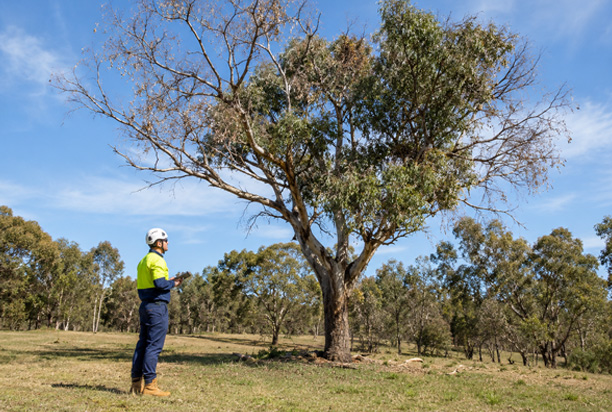
When tree work involves risk, structure, pruning, removal, or access issues, a qualified arborist can assess the safest approach.
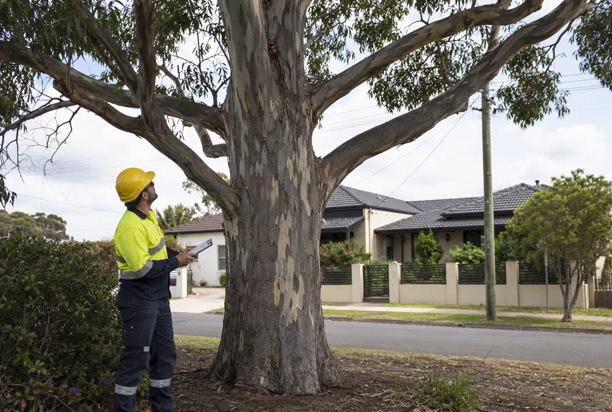
How often should trees be pruned? Timing depends on species, growth rate, clearance, deadwood, and overall tree condition.
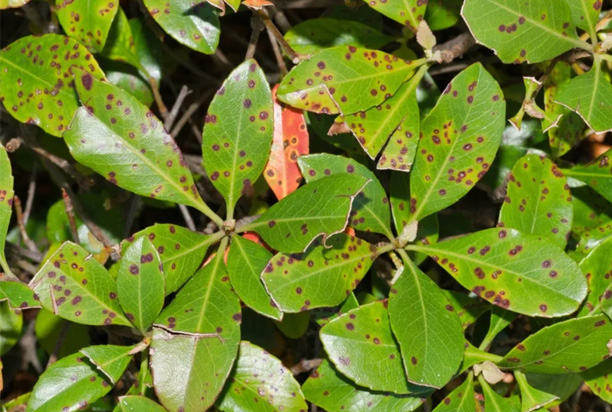
Holes in tree leaves can be caused by pests, disease, hail, wind, or physical damage. The pattern often points to the likely cause.
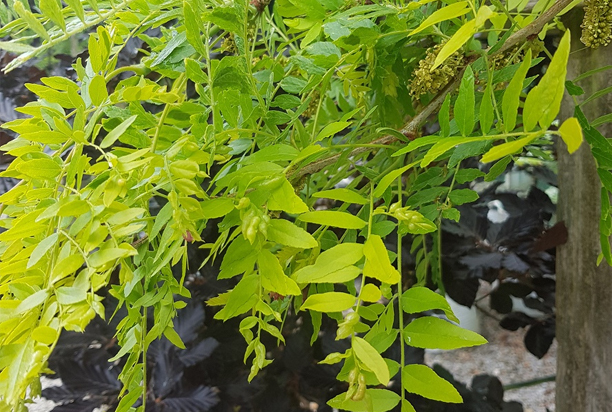
Tree leaves changing colour can point to stress, moisture issues, root problems, or normal seasonal change. Know when to act.
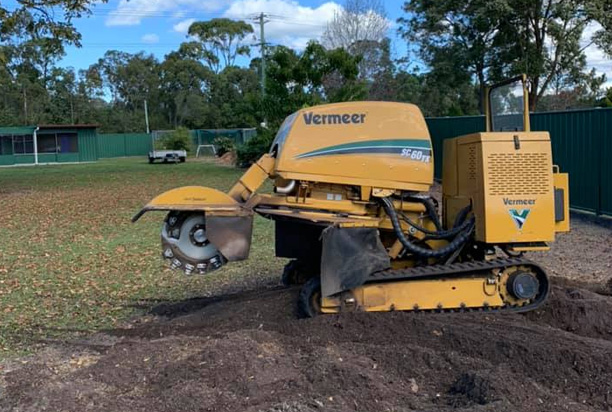
Stump grindings can fill holes, support garden beds, or cause settling issues. Their best use depends on what happens next.
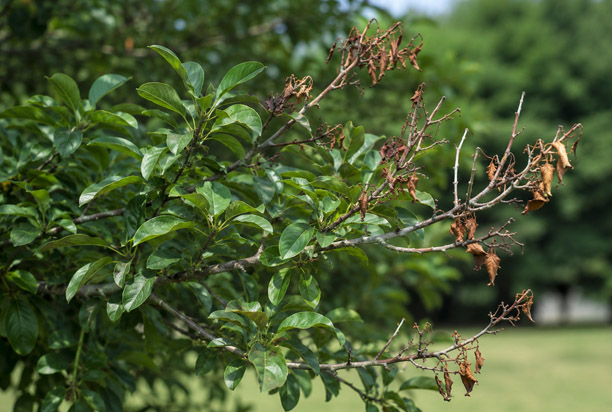
Branch tip dieback may start small but can reveal issues with roots, soil, moisture movement, pests, or disease pressure.
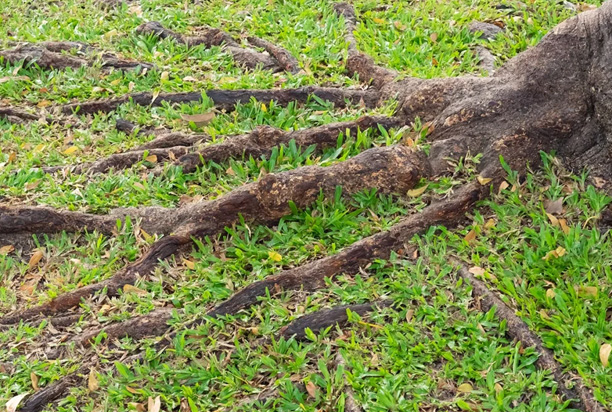
Exposed tree roots are not always a problem, but sudden root exposure can point to erosion, compaction, or shifting soil conditions.
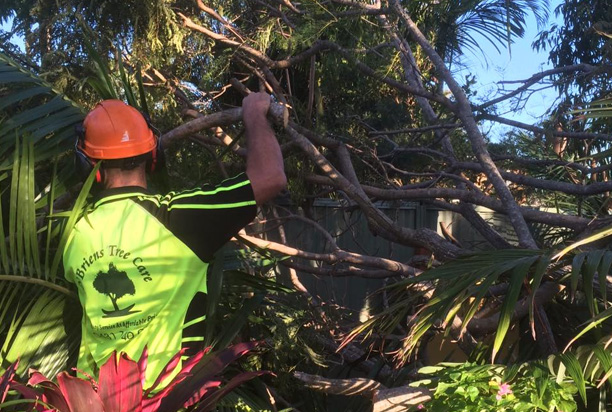
Tree health assessments look at canopy growth, trunk condition, root zones, and structural changes to identify developing issues.
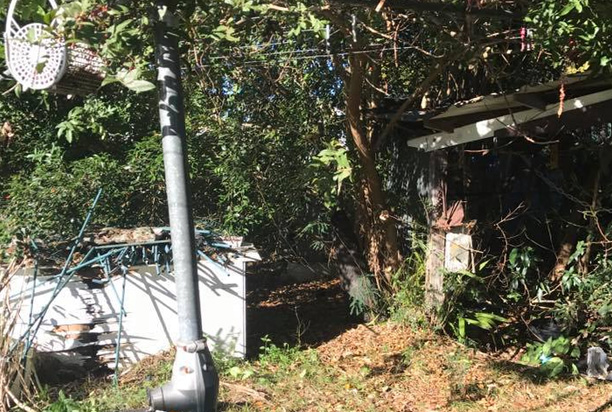
Tree age can influence structure and growth patterns. Over time, some species develop issues that require closer attention.
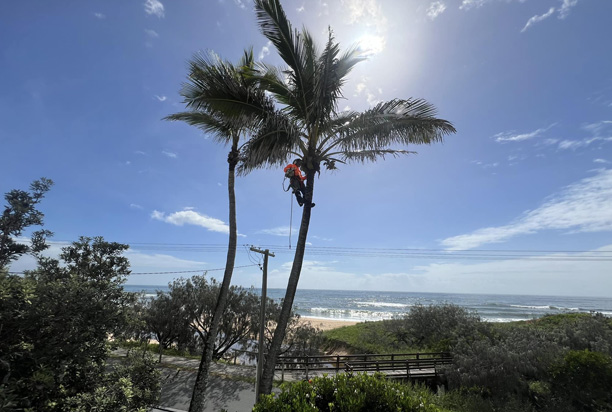
Palm lifespan is tied to crown health. Irregular growth and frond drop can signal late-stage decline and increasing risk.
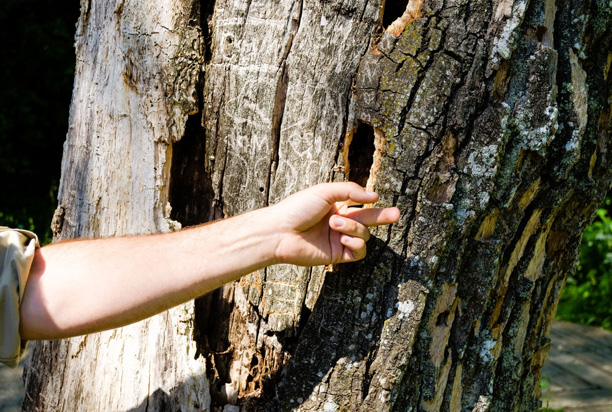
Cracks in tree trunks can be harmless or indicate structural stress. Depth, direction, and change over time determine the level of risk.
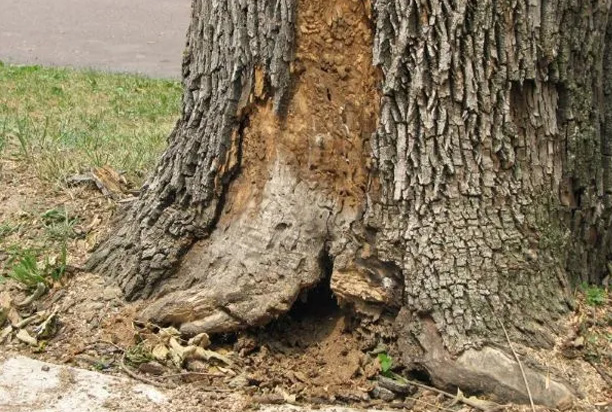
Hollowing in tree trunks often results from internal decay, but stability depends on remaining structure and load distribution.