Branch Tip Dieback and Early Signs of Tree Stress

Dead or thinning tips at the outer edges of a tree can be easy to dismiss at first. The rest of the canopy may still look active, which makes small patches of dieback seem minor or seasonal. When those dead tips keep spreading or appear across multiple branches, they can point to stress moving through the tree.

Branch tip dieback often appears at the furthest points of growth because these areas rely on consistent water and nutrient movement from the roots. Heat, moisture imbalance, soil issues, pests, or disease can all interrupt that supply. The pattern, timing, and spread of the dieback help show whether the tree is responding to short-term stress or a more serious underlying problem.
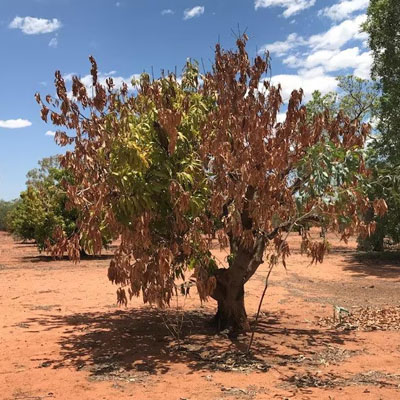
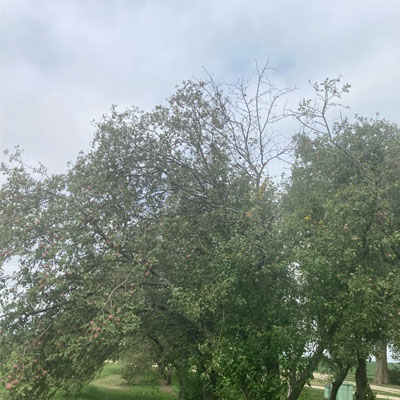
Why Branch Tips Are Often the First Area to Decline

Branch tips are the outermost points of the canopy, which means they are the furthest from the root system. Water and nutrients must travel through the full branch structure before reaching these areas. When the tree is under stress, the tips are often the first places to show reduced supply.

These outer sections are also more exposed to heat, wind, and direct sunlight. If roots are struggling or moisture movement is inconsistent, the tree may not be able to maintain healthy growth at the canopy edges. This is why branch tip dieback can appear before more obvious decline develops elsewhere.

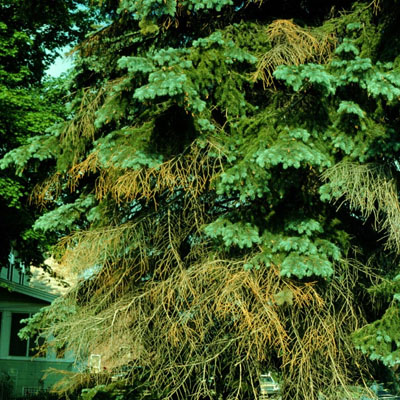
Branch Tip Dieback and Early Signs of Tree Stress - Tip dieback

Common Causes of Branch Tip Dieback

Branch tip dieback can come from several different stress points, and the cause is not always visible at first. The outer canopy is often where pressure shows earliest because those areas rely on steady movement of water and nutrients through the entire branch system.

  • Moisture stress can cause the outer tips to dry back when the tree cannot move enough water to support new growth. This may happen during dry periods, after heatwaves or when soil moisture changes quickly.
  • Root disturbance can reduce the tree’s ability to supply the canopy evenly. Construction, compaction, trenching or soil level changes can all affect how much support reaches the outer branches.
  • Heat exposure places extra demand on the canopy tips, especially where branches receive full sun or reflected heat from hard surfaces.
  • Pest activity can weaken new growth and create localised dieback near the outer canopy. Sap-feeding insects and boring pests may both contribute depending on the tree species.
  • Fungal disease can interrupt tissue function and cause branch tips to decline before larger sections become affected.
  • Poor soil conditions can limit oxygen, nutrients and moisture movement through the root zone, reducing the tree’s ability to maintain healthy outer growth.
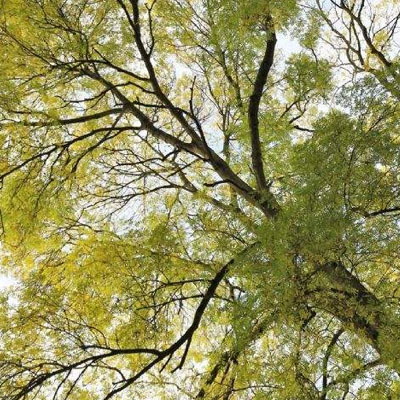
Branch Tip Dieback and Early Signs of Tree Stress - Common causes of dieback

When several of these factors are present, branch tip dieback is more likely to continue spreading rather than remain isolated. The pattern across the canopy often gives the clearest clue about whether the issue is environmental, root-related, pest-related or disease-related.

When Tip Dieback Is Minor or Seasonal

Small amounts of tip dieback can occur after short periods of stress, especially during heat, dry weather, or seasonal change. In these cases, the affected growth is usually limited to a few outer shoots and does not continue spreading through the canopy. The rest of the tree often remains dense, active, and consistent with previous growth patterns.

Minor dieback may also appear where new growth has been exposed to sudden weather changes. Young tips are more vulnerable than older branches, so they can fail without the whole tree being in decline. When the pattern stays isolated and new growth returns normally, the issue may be temporary rather than a sign of a larger problem.

Branch Tip Dieback and Early Signs of Tree Stress - Seasonal dieback

Signs Tip Dieback Is Part of a Larger Problem

Branch tip dieback becomes more concerning when it continues to spread or appears alongside other canopy changes. Isolated dead tips can be seasonal, but repeated decline across different parts of the tree usually points to a deeper stress source. The pattern matters more than the presence of a few dead ends.

  • Dieback moving inward from the tips can indicate that stress is progressing beyond the newest growth and into larger branch sections.
  • Multiple branches affected at once suggests the issue is not limited to one exposed or damaged area of the canopy.
  • Thinning foliage across the same sections often appears alongside tip dieback when the tree is struggling to maintain growth.
  • Smaller or weaker new leaves can show that the tree is not supplying enough resources to support normal development.
  • Repeated dieback after each growth cycle may indicate an ongoing issue with roots, soil, pests, disease, or moisture movement.
  • Dead tips appearing with cracks, fungal growth, or root-zone changes should be taken more seriously because several stress indicators are present at the same time.
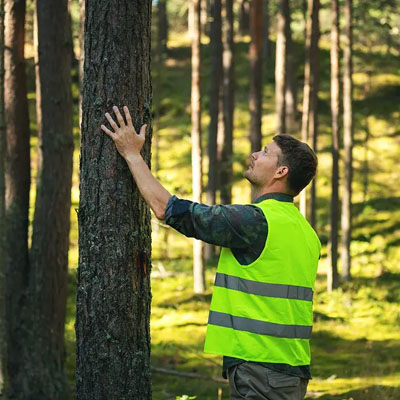
Branch Tip Dieback and Early Signs of Tree Stress - Tree canopy with branch dieback

When these signs appear together, branch tip dieback is less likely to be a short-term response. It may be part of a wider decline pattern that needs closer assessment.

Why Pruning Alone Does Not Always Fix Dieback

Pruning can remove dead tips and improve the appearance of the canopy, but it does not always address the reason those tips died back in the first place. If the underlying issue sits in the roots, soil, moisture balance, or pest activity, the same pattern can return after the next growth cycle. This is why branch tip dieback should be treated as a symptom rather than just a pruning issue.

In some cases, removing too much affected growth can also reduce the tree’s ability to recover. The canopy still needs enough healthy foliage to produce energy and support new growth. Before pruning becomes the main response, the broader condition of the tree needs to be considered. Once your tree has been assessed, proper pruning techniques can be employed to ensure the tree has the best chance at recovery.

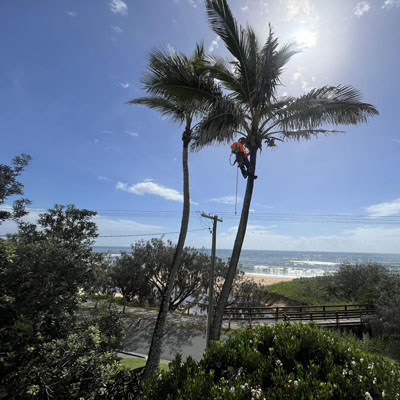
Branch Tip Dieback and Early Signs of Tree Stress - Pruning

What to Do When Branch Tips Keep Dying Back

When branch tip dieback keeps returning, the focus should be on the pattern rather than removing each dead section as it appears. Repeated tip decline usually means the tree is still responding to an unresolved stress source. A careful approach helps avoid adding more pressure to an already strained canopy.

  • Track where the dieback is appearing and whether it is spreading inward from the tips. Consistent movement through the canopy is more concerning than isolated dead ends.
  • Check recent weather and watering changes, especially after heatwaves, dry periods, or heavy rain. These conditions can affect how reliably moisture reaches the outer canopy.
  • Avoid heavy pruning as a first response, as removing too much live growth can reduce the tree’s ability to recover.
  • Look at the root zone for compaction, soil disturbance, or drainage problems, since branch tips often reflect stress starting below ground.
  • Arrange a tree health assessment if dieback continues across seasons or appears with thinning foliage, smaller leaves, or branch decline.

When the underlying cause is identified early, the tree has a better chance of stabilising before dieback spreads further into the canopy. The aim is to address what is driving the decline, not just remove the visible dead tips.

Concerned About Branch Tip Dieback?

If dead tips are spreading through the canopy or returning after each growth cycle, the cause may sit deeper than the visible branches. A closer assessment can identify whether the issue is linked to roots, soil, moisture stress, pests, or disease pressure. To arrange advice or an onsite inspection, contact O’Brien’s Tree Care on 07 5497 3116 or info@obrienstreecare.com.au.

FAQ: Branch Tip Dieback

It can be minor when only a few outer tips are affected after short-term stress. It becomes more concerning when the dieback spreads inward, affects multiple branches, or returns across seasons.

Dead sections will not recover, but the tree may produce healthy new growth if the underlying cause is resolved. Ongoing dieback usually means the stress source is still active.

Dead tips can often be removed, but pruning alone does not fix the cause of the dieback. The tree’s broader condition should be assessed before removing large amounts of growth.

Yes. Heat can increase moisture demand at the outer canopy, especially when the roots are already under stress. The tips are often the first areas to show reduced supply.

Not always. Isolated dieback can be temporary, but spreading or repeated tip decline may indicate a larger health issue. The pattern across the canopy is the key detail.

Assessment is recommended when dead tips continue spreading, appear with thinning foliage, or affect several parts of the canopy. These patterns often point to stress beyond the branch tips themselves.