Exposed Tree Roots: What They Can Mean for Tree Health and Stability

Tree roots can become more visible over time, even in gardens where the ground once looked smooth and undisturbed. As they begin to appear above the soil surface, they often raise concerns about stability, property damage, and whether the tree is still growing as it should. In some cases the change is gradual, while in others it seems to happen quite quickly after rain, erosion, or changes to the surrounding ground.

Exposed tree roots are not always a sign that something is wrong, but they do indicate that conditions around the root zone have shifted in some way. The reason may relate to the species, the soil, the age of the tree, or how the site has changed over time. What matters is whether the roots are simply becoming more visible or whether the exposure reflects a broader issue affecting the tree’s support and health.
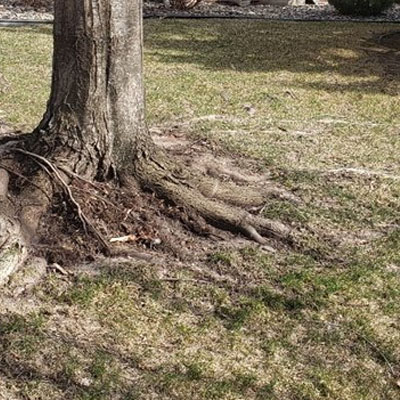
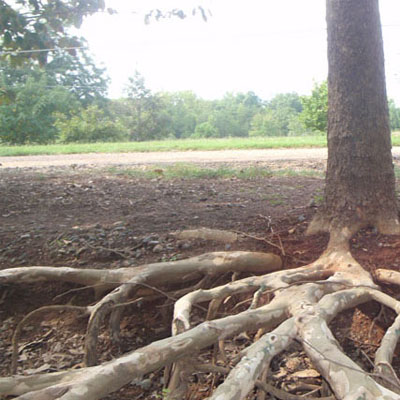
Why Tree Roots Start Appearing at the Surface

Roots often become visible when the conditions around the tree change more quickly than the root zone can adapt. Soil erosion, repeated runoff, compaction, and changes in ground level can all reduce the amount of cover above the roots. In other cases, the tree naturally develops a shallow root system that spreads outward rather than deeper into the soil.

Moisture patterns also play a role in where roots grow and how exposed they become over time. In compacted or poorly drained soils, roots may stay closer to the surface where oxygen is more available. As the tree continues to grow, these surface roots gradually thicken and become more noticeable, especially in areas where soil has washed away or been worn down.

When Exposed Roots Are a Normal Growth Pattern

Not all exposed roots indicate a problem. In many cases, surface roots are part of the tree’s natural growth habit and have developed gradually over many years. Their presence becomes more noticeable as the tree matures and the roots thicken near the soil surface.

  • Shallow-rooted species often spread outward near the surface rather than sending roots deeply into the ground.
  • Mature trees with wide root flare spread can show visible roots as part of normal development.
  • Long-standing exposed roots that have not changed significantly may simply reflect a stable growth pattern.
  • Roots appearing away from the trunk without other symptoms are often less concerning than sudden exposure near the base.
  • Stable soil with no recent erosion or disturbance suggests the roots are visible due to gradual natural growth rather than a developing issue.

When exposed roots have been present for some time and the tree is otherwise performing well, they may be a normal part of the tree’s structure rather than a sign of decline.

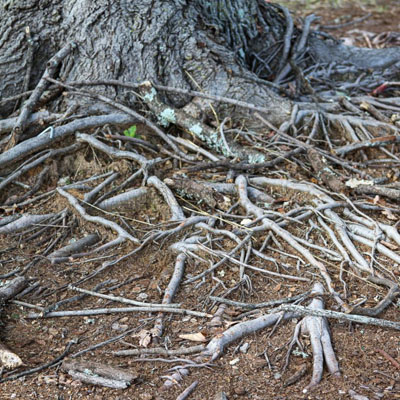
Exposed Tree Roots: What They Can Mean for Tree Health and Stability - Exposed roots

When Surface Roots Can Point to a Bigger Issue

Surface roots become more concerning when they appear alongside changes in soil condition, tree growth, or stability. In these cases, the roots are not just becoming easier to see, but may be reflecting a shift in how the tree is being supported. The context around the exposure matters more than the roots alone.

Loss of soil cover from runoff or erosion can leave roots exposed in ways that increase drying, damage, and movement around the base of the tree. In compacted or poorly drained sites, roots may also be forced upward because deeper soil is no longer providing suitable conditions. When exposed roots appear with canopy thinning, lean, or changing ground levels, they may point to a broader issue affecting the tree’s health and support.

Exposed Tree Roots: What They Can Mean for Tree Health and Stability - Surface roots can cause big issues

Problems Exposed Roots Can Create Around a Property

Exposed roots can affect more than just the appearance of the ground around a tree. As they thicken and spread, they may begin interacting with surrounding surfaces and increase the chance of damage or ongoing maintenance issues. These effects often build gradually and become more noticeable as the tree matures.

  • Trip hazards can develop where roots lift above surrounding soil or turf, particularly in access areas or around garden edges.
  • Mower and whipper snipper damage becomes more likely when roots are exposed at the surface. Repeated contact can injure the roots and weaken the tree over time.
  • Drying and heat exposure can affect roots that lose soil cover, especially during extended hot weather.
  • Soil washout may worsen around exposed roots where runoff continues to remove surrounding ground.
  • Interaction with paths, edging, or garden beds can increase as roots expand outward and become more prominent.
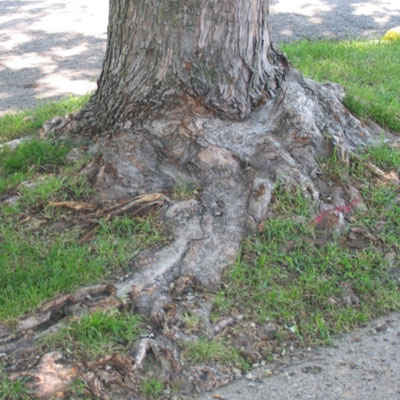
Exposed Tree Roots: What They Can Mean for Tree Health and Stability - Damage to nearby path

When exposed roots are creating repeated issues around the property, the problem often involves both the tree and the surrounding site conditions.

Why Exposed Roots Should Not Be Cut Without Assessment

Exposed roots can look like a simple obstruction, but they may be contributing more to the tree’s stability than their position suggests. Cutting them without understanding their role can reduce anchoring strength, alter moisture uptake, and create delayed stress that is not obvious straight away. What appears to be a surface issue can sometimes affect the structure of the tree more than expected.

The location of the root, its size, and how close it is to the trunk all influence whether removal is likely to cause harm. In some cases, cutting exposed roots can also lead to further decline above ground as the canopy responds to reduced support below. This is why a tree health assessment is often the better first step, rather than treating exposed roots as a simple maintenance problem.

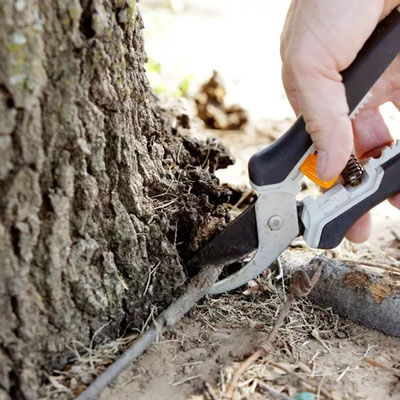
Exposed Tree Roots: What They Can Mean for Tree Health and Stability - Cutting exposed roots

What to Do If Tree Roots Are Becoming Exposed

When roots start appearing at the surface, the first step is to look at whether the change is stable or still progressing. New exposure after rain, runoff, or site disturbance usually gives more useful context than the roots alone. A measured response helps protect the tree while avoiding unnecessary changes to the root zone.

  • Monitor how quickly the roots are becoming more visible and whether the exposure is spreading into new areas.
  • Avoid piling extra soil over the root flare or trunk base, as this can trap moisture and create other problems around the base of the tree.
  • Protect exposed roots from mower and whipper snipper damage to prevent repeated injury.
  • Take note of erosion, drainage, or ground level changes that may be contributing to the exposure.
  • Arrange a tree assessment if exposed roots appear with other changes such as lean, canopy thinning, or movement in the surrounding soil.
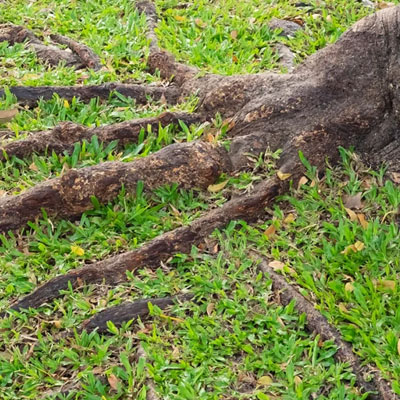
Exposed Tree Roots: What They Can Mean for Tree Health and Stability - Roots

Observing the pattern around the root zone usually gives a clearer indication of whether the roots are simply visible or part of a broader issue affecting the tree.

Concerned About Exposed Roots Around a Tree?

If roots around a tree are becoming more visible or starting to affect the surrounding ground, a closer assessment can help determine whether the change is part of normal growth or linked to shifting site conditions. Looking at the root zone, soil movement, and canopy response together provides a clearer picture of what is happening. To arrange advice or an onsite inspection, contact O’Brien’s Tree Care on 07 5497 3116 or info@obrienstreecare.com.au.

FAQ: Exposed Tree Roots

Not always. Some trees naturally develop visible surface roots as they mature. The concern depends on whether the exposure is stable or linked to changing soil, erosion, or other signs of stress.

Not automatically. Covering roots without addressing the reason they became exposed can create other problems, especially if soil is piled too close to the trunk or root flare.

Visible roots do not necessarily mean the tree is unstable, but sudden exposure or changes around the base can indicate shifting support conditions. The context around the root zone matters more than the visibility alone.

Cutting exposed roots without assessment can affect anchoring and create delayed stress in the canopy. The position and size of the roots need to be considered before any intervention.

This often happens after erosion, compaction, drainage change, or gradual soil loss over time. In some cases, the roots have been there for years and have only recently become more noticeable.

Assessment is worth considering when root exposure is increasing, affecting surrounding surfaces, or appearing alongside lean, canopy thinning, or soil movement.