Tree Pruning Mistakes That Can Permanently Harm Your Trees

Pruning is one of the most important parts of tree care, but when it is done incorrectly, the damage can last for years or even shorten a tree’s life. Trees rely on careful pruning to grow strong, safe, and healthy, and mistakes can cause permanent harm. What looks like a simple cut with shears or a saw can create problems that spread through the whole structure of the tree.

For property owners, the risks of improper pruning go beyond the tree itself. Poorly pruned trees can become unstable, drop limbs unexpectedly, or grow in ways that threaten homes and fences. Avoiding common tree pruning mistakes helps protect both your property and the long-term value of your landscape.
How the Right Cuts Keep Trees Healthy and Strong

Tree pruning is not just about shaping the canopy or removing excess growth. Every cut impacts the way a tree directs energy, closes wounds, and strengthens its structure. Correct pruning helps direct healthy growth, improves airflow, and reduces the chance of branches breaking during storms.

Pruning also plays a role in safety and aesthetics. Well-maintained trees add value to your property, while overgrown or poorly pruned trees can become hazards. When done properly, pruning extends a tree’s lifespan. When done poorly, it weakens the tree and can create risks that only grow worse over time.

Tree Pruning Mistakes That Can Permanently Harm Your Trees

Mistakes That Put Your Trees at Risk

While pruning may look straightforward, there are several common mistakes that can permanently damage a tree if carried out incorrectly. Knowing these mistakes is the first step in preventing harm and ensuring your trees remain healthy and safe.

  • Cutting too much of the canopy at once strips the tree of its ability to produce energy through photosynthesis. A stressed tree may struggle to recover or become more vulnerable to pests and disease.
  • Topping trees to reduce height creates weak regrowth that shoots up rapidly but lacks the strength of natural branches. This regrowth is more likely to break and cause future hazards.
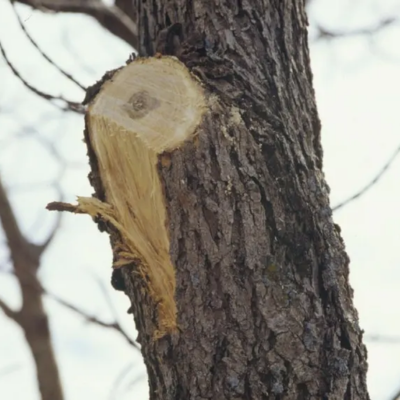
  • Making cuts in the wrong place, such as leaving long stubs or cutting into the branch collar, slows healing and increases the risk of infection or decay spreading into the trunk.
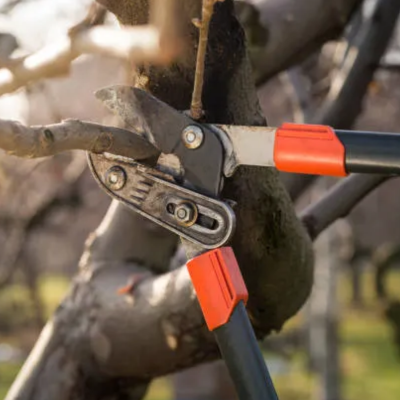
  • Using unclean or blunt tools creates jagged wounds that are harder for the tree to close. Dirty tools may also introduce pathogens that accelerate decline.
  • Pruning at the wrong time of year adds unnecessary stress. Some species are more vulnerable when cut during active growth or extreme seasonal conditions.
Tree Pruning Mistakes That Can Permanently Harm Your Trees

Each of these mistakes may not cause immediate failure, but together they undermine a tree’s health over time. Once structural or biological damage sets in, it may not be reversible, which is why pruning should be done with care and knowledge.

Quick Fixes That Create Bigger Problems

Improper pruning often looks fine in the short term. A tree that has been topped may appear smaller and more manageable, while one that has been heavily thinned may look tidier. However, these results are temporary and can hide problems developing within the tree.

Long-term damage shows itself in weak branch attachments, decay that spreads through pruning wounds, or growth patterns that make the tree unstable. Instead of solving issues, poor pruning creates hazards that are more expensive to fix later. The short-term appearance of control is not worth the long-term decline it can cause.

Tree Pruning Mistakes That Can Permanently Harm Your Trees

How Certified Arborists Prune Safely

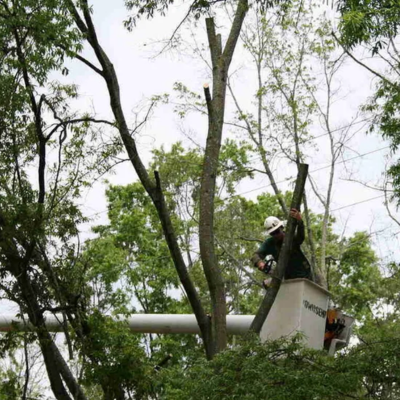
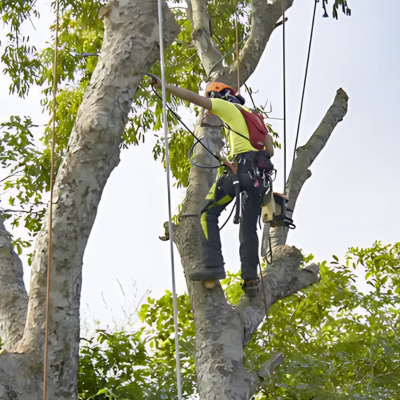
Pruning done by a certified arborist looks very different from quick, unplanned cutting. Professional pruning is guided by industry standards that protect tree health and safety, while also considering the specific needs of the property and environment.

  • Arborists assess the species and growth habits of a tree before making any cuts, ensuring the work supports natural development.
  • Cuts are made in the correct location to protect the tree’s ability to heal and reduce the risk of decay.
  • Work is scheduled in line with seasonal cycles, avoiding times when the tree is vulnerable to stress.
  • The tree’s structure is preserved, with branches pruned to maintain balance and reduce hazards without weakening overall stability.
  • Industry-standard techniques and equipment are used, making the work safe, precise, and effective.
Tree Pruning Mistakes That Can Permanently Harm Your Trees

By approaching pruning in this way, arborists reduce the chance of long-term damage and help trees thrive for decades. This professional care makes a clear difference compared to unqualified operators or DIY attempts.

Protect Your Trees With Expert Care

Pruning mistakes can cause harm that cannot be undone. Once decay sets in or weak regrowth forms, the tree may always be at risk. By investing in proper pruning from the start, you protect not only the health of your trees but also the safety of your property.

At O’Brien’s Tree Care, our certified arborists carry out pruning with precision, safety, and long-term health in mind. If your trees need professional care, contact us today by calling 0431 740 088 or clicking here to arrange a pruning assessment and see the difference expert attention makes.

FAQ: Tree Pruning Mistakes and Best Practices

Topping is one of the most damaging practices, as it weakens structure, encourages poor regrowth, and leaves the tree vulnerable to decay.

While some regrowth can be managed, a topped tree will always have weaker attachments and greater risk. Professional pruning can improve structure but may not reverse all the damage.

Generally, no more than 20 to 25 percent of the canopy should be removed in a single season. Larger cuts place excessive stress on the tree.

Some species tolerate summer pruning, but many are stressed when cut during peak growth. Certified arborists time work to suit the tree’s natural cycle.

 Certified arborists are trained in tree biology, safe pruning techniques, and legal compliance. Tree loppers may cut quickly but often leave lasting damage.