Should You Get an Arborist Report Before Buying a Property?

Trees can add shade, privacy and character to a property, but they can also bring maintenance costs and structural concerns that are difficult to judge during a normal inspection. A tree that appears healthy from the ground may still need substantial pruning, ongoing management or eventual removal, while roots, damaged limbs or poor structure can create additional work after the property changes hands.

An arborist report before buying a property is not necessary in every situation, but professional input can be valuable when established trees could affect the cost, safety or future use of the site. In some cases, an onsite assessment may be all that is needed before purchase, while a formal report can provide documented findings where more detailed information is required.
Not Every Property Needs an Arborist Report

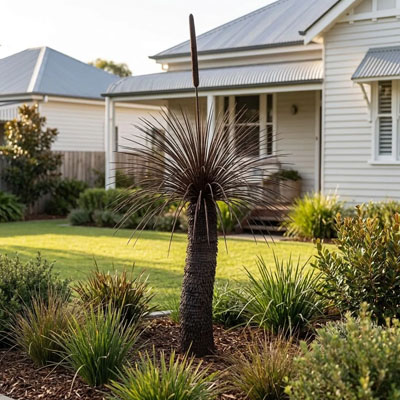
A formal report is not necessary simply because a property has trees. If the trees are relatively young, appear healthy and are well clear of buildings and planned work, a buyer may have little reason to document their condition in detail. In many cases, an onsite tree inspection before buying a property can provide enough information to flag obvious concerns and indicate whether anything needs further investigation.

A more detailed report becomes useful when the trees are large, ageing, visibly damaged or positioned where they could affect structures, access or future plans for the site. The aim is not to add another report to every property purchase, but to get the right level of advice for the situation. An initial tree health assessment can often help determine whether verbal advice is enough or whether documented findings would be worthwhile.

Should You Get an Arborist Report Before Buying a Property - Young tree

Trees Worth Having Checked Before You Buy

Some trees deserve closer attention before purchase because their condition, size or position could lead to significant work later. A pre-purchase tree inspection is particularly useful where there are visible warning signs or where a mature tree sits close to parts of the property you may need to maintain, alter or build around.

Should You Get an Arborist Report Before Buying a Property - Risk for home with tree nearby

Having these issues checked before purchase gives you a clearer idea of whether the tree is likely to need routine maintenance or more substantial work. That can make it easier to factor tree care into the overall cost of taking on the property rather than discovering it afterwards.

What an Arborist Can Check During a Pre-Purchase Inspection

An arborist can assess the tree as a whole rather than focusing only on an obvious symptom such as a cracked trunk, dead branch or exposed root. This includes looking at canopy condition, trunk and branch structure, major unions, visible root zones and previous pruning, while considering how the tree’s size and position relate to the surrounding property.

The inspection can then help establish whether a visible issue is relatively minor, needs ongoing monitoring or is likely to require professional tree work. It can also identify situations where the condition cannot be properly addressed through a basic onsite assessment and a more detailed tree health assessment or written arborist report would be appropriate.

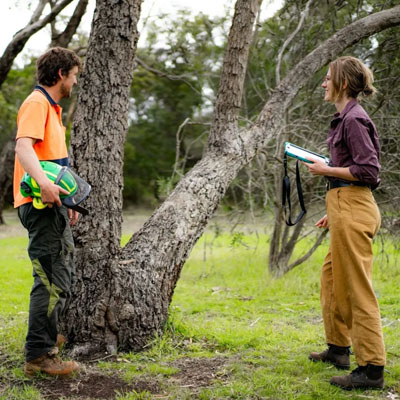
Should You Get an Arborist Report Before Buying a Property - Arborist report

Future Tree Work Can Affect the Real Cost of the Property

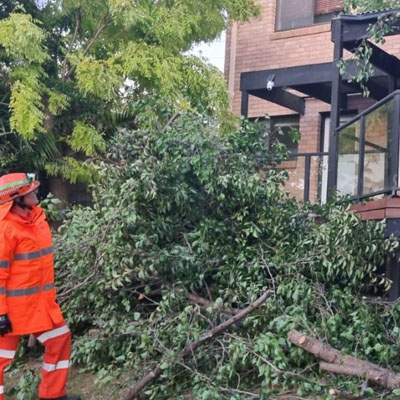
Tree work can become a meaningful expense after settlement, particularly where a property has mature trees that need substantial pruning, ongoing management or eventual removal. A buyer may be comfortable with the purchase price itself, then discover that several thousand dollars of tree work is likely in the near future. That does not automatically make the property a poor choice, but it is useful information to have before committing.

An arborist can help separate routine maintenance from work that is likely to be more substantial, such as major tree pruning, management of structurally compromised limbs or possible tree removal where a tree is in serious decline. Knowing that beforehand gives the buyer a more realistic picture of the costs that may come with the property rather than treating tree work as an unexpected expense later.

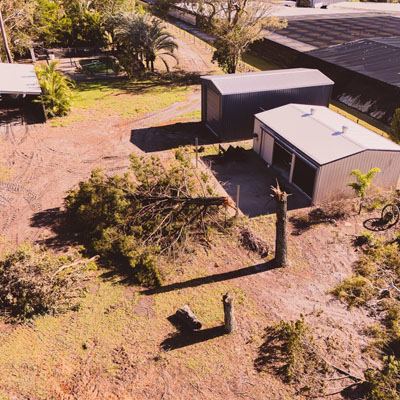
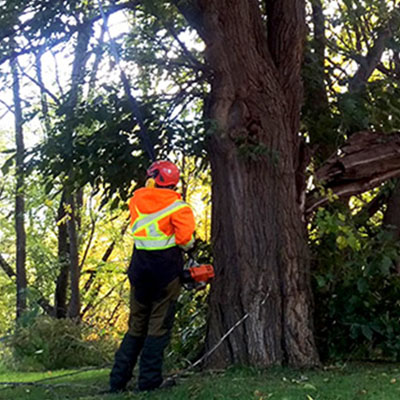
Should You Get an Arborist Report Before Buying a Property - Tree removal

An Arborist Can Also Flag Issues With Future Plans

A tree may be healthy enough to remain in place but still affect what can realistically be done with the property later. This is especially relevant where the buyer already has plans for extensions, a pool, new access or other work close to established trees.

  • Home extensions may bring new footings or excavation closer to important root areas.
  • Pools and sheds can compete for space with existing trees or require work within the surrounding root zone.
  • Driveway changes may involve excavation, compaction or level changes near established roots.
  • Retaining walls can alter soil levels or disturb areas the tree relies on for support.
  • Access for future tree work can become difficult where buildings, fences or other structures restrict machinery or climbing access.
  • Significant trees may need further investigation before removal, major pruning or nearby construction is planned.
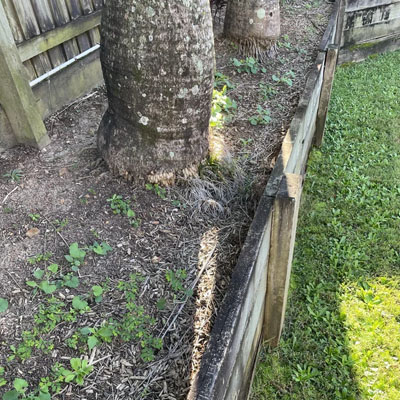
Should You Get an Arborist Report Before Buying a Property - Tree impacting retaining wall

If future building work is already part of the purchase decision, an arborist can help identify potential conflicts early. Where those plans move forward, our article on arborist reports for building or renovation work covers the more detailed assessment and documentation that may be required.

Assessment or Formal Arborist Report?

A buyer does not always need a formal report as the first step. An onsite assessment can be useful before purchase when the main goal is to check the condition of significant trees, identify likely maintenance needs and get professional advice about any obvious concerns. For many properties, that may provide enough information to decide whether the trees are likely to create additional work or cost.

A formal arborist report becomes more useful when the findings need to be documented in detail, there are significant structural concerns or the information may be needed later for planned building or renovation work. The assessment and report can therefore serve different purposes at different stages, rather than every inspection automatically leading to written documentation.

Should You Get an Arborist Report Before Buying a Property - Tree assessment

Considering a Property With Trees?

If you are considering a property with established trees, an arborist assessment is most useful while there is still time to factor the findings into the purchase decision. That can include likely tree work, ongoing maintenance, structural concerns or future limitations that may affect the overall cost and suitability of the property.

O’Brien’s Tree Care can inspect the trees, explain their current condition and advise whether an onsite assessment is enough or whether a formal arborist report would be worthwhile. To arrange an inspection, call 07 5497 3116 or contact us online.

FAQ

Not always. If the property has mature trees with visible defects, significant maintenance needs or trees close to structures, an arborist assessment can be worthwhile before purchase. A formal report is more useful where the findings need to be documented.

A building and pest inspection is not the same as a detailed arborist assessment. If trees are likely to affect the property, maintenance costs or future plans, it can be worth having them assessed separately by a qualified arborist.

An arborist can assess canopy condition, trunk and branch structure, visible root issues, previous pruning and signs of decline or structural weakness. They can also indicate whether the tree is likely to need routine maintenance, more substantial work or ongoing monitoring.

An arborist can assess whether removal is currently recommended based on the tree’s condition and structure. They can also explain where monitoring, pruning or other management may be more appropriate than removal.

For many buyers, an onsite assessment may be enough to identify concerns and likely maintenance needs. A formal arborist report is more useful when the findings need to be recorded in detail or may be required for later planning, construction or other formal purposes.

The inspection is most useful while there is still time to consider the findings as part of the purchase decision. That allows likely tree work, future maintenance and potential limitations to be factored into the overall cost of the property.