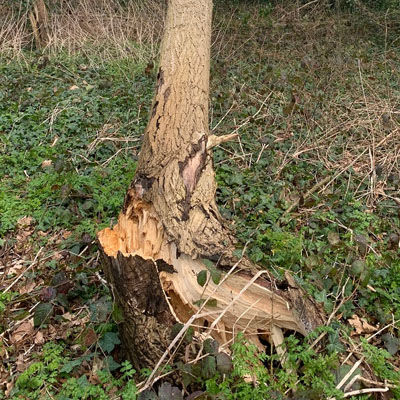
Dead Tree Removal: Why Waiting Can Increase the Risk

A dead tree can stay standing for a while, which sometimes makes it easy to put off dealing with it. The problem is that once a tree has died, it is no longer actively growing, recovering, or protecting itself from decay. Branches can dry out, timber can become brittle, and the structure of the tree can keep weakening even if it looks much the same from the ground.

This is why dead tree removal is often safer to consider before the tree becomes an urgent problem. A dead tree close to a home, shed, fence, driveway, path, pool, or neighbouring property can create more risk as time passes. Having it checked early gives an arborist a better chance to assess the tree, plan the safest removal method, and deal with the issue before branches or sections start failing unexpectedly.
A Dead Tree Can Keep Weakening After It Dies

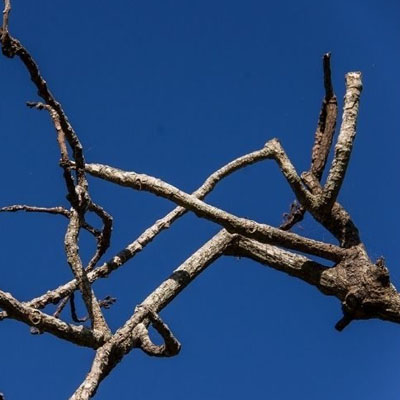
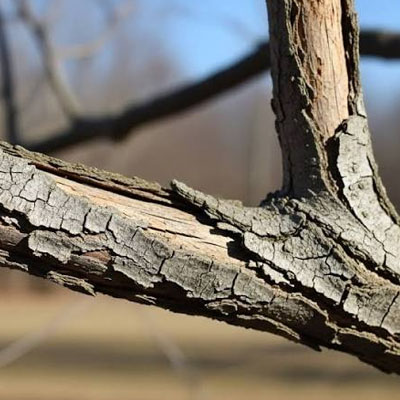
A dead tree does not stop changing just because it has stopped growing. Once the tree is no longer alive, it cannot seal wounds, produce new growth, or respond to damage in the same way a healthy tree can. Timber can dry out, branches can become brittle, and tree decay can continue moving through parts of the trunk, canopy, or root system.

This weakening can happen slowly, which is one reason dead trees are sometimes left standing longer than they should be. From the ground, the tree may look much the same for weeks or months, but its internal strength may be changing. Wind, rain, heat, fungal activity, and existing defects can all speed up deterioration, making the tree less predictable the longer it is left.

Dead Tree Removal - Brittle branches

Dead Branches Can Break Without Much Warning

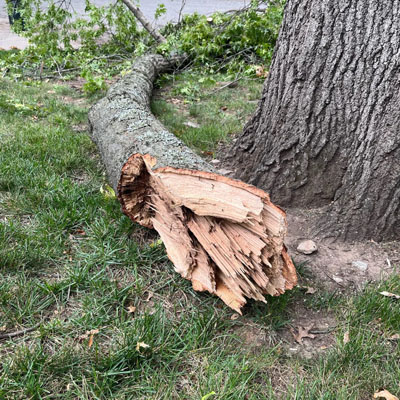
Dead branches can become brittle and lose strength as they dry out. Some may break during storms or high winds, but others can drop with very little warning, especially if the branch is already cracked, decayed, or poorly attached. This can be a concern when dead branches sit over roofs, sheds, driveways, paths, play areas, gardens, pools, or outdoor living spaces.

The size and position of the branch both matter. A small dead branch over an open lawn may not create the same level of concern as a heavier limb above a walkway or parked car. If dead branches are appearing throughout the canopy, it may also suggest the tree is declining more broadly rather than only needing a small amount of pruning.

Dead Tree Removal - Dead tree causing brittle branches

Decay Can Make the Tree Harder to Remove Safely

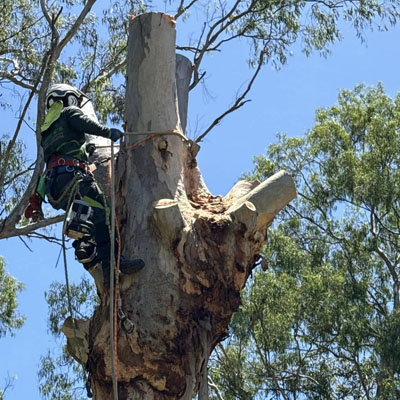
Dead trees can become harder to remove as decay spreads and timber loses strength. A tree that may have been straightforward to dismantle earlier can become more difficult if the trunk, limbs, or branch unions are brittle, hollow, or unstable. This can affect how safely the tree can be climbed, cut, rigged, or lowered in sections.

Waiting does not always make the job easier or cheaper. If a dead tree becomes too unstable, the arborist may need to use a more controlled removal method, especially where there are nearby buildings, fences, pools, gardens, or access limitations. The more compromised the tree becomes, the more planning may be needed to bring it down safely.

Dead Tree Removal - Tree removal service

Nearby Property Increases the Risk

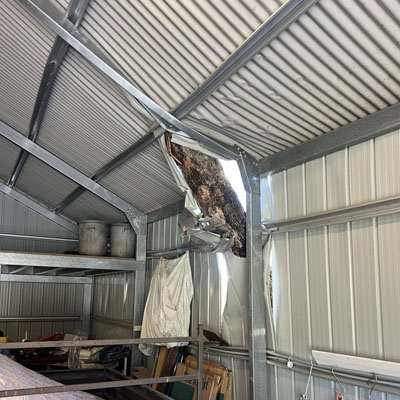
A dead tree in an open area is very different from a dead tree growing close to property or spaces people use every day. The condition of the tree matters, but so does what it could hit if a branch, trunk section, or the whole tree starts to fail.

Risk becomes more pressing when a dead tree is close to:

  • Homes, sheds, or garages where falling branches could damage roofing, gutters, walls, windows, or outdoor structures.
  • Driveways and parking areas where dead limbs may fall near vehicles or people moving in and out of the property.
  • Paths, pools, and outdoor living areas where branches can affect spaces used by family, visitors, or tenants.
  • Fences and neighbouring boundaries where failure may create damage or access issues across property lines.
  • Retaining walls or garden structures where roots, movement, or falling timber may affect nearby hardscaping.

A dead tree does not need to be huge to create a problem if it is in the wrong position. Having it assessed early helps work out whether it can be monitored for a short period or whether removal should be planned before the tree becomes more unstable.

Dead Tree Removal - Damaged Shed

Dead Trees Can Attract Pests and Fungal Growth

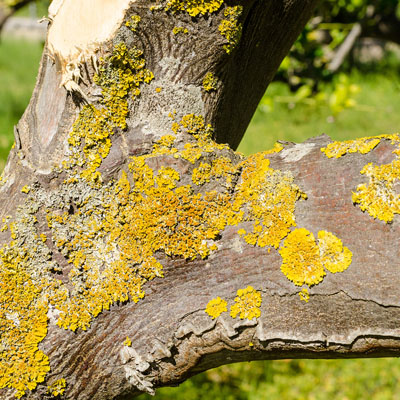
Dead and decaying timber can create conditions for insects, fungal growth, and ongoing breakdown of the tree. This is a natural part of how wood decomposes, but it may become a concern when the tree is close to homes, sheds, fences, garden beds, or outdoor areas that need to stay clear and usable. In warm and humid conditions, decay can also progress faster than property owners expect.

This does not mean every dead tree will cause a pest problem or affect nearby structures. The issue is that a dead tree can become an ongoing maintenance concern once timber starts breaking down, bark begins falling away, or fungal growth appears around the trunk or base. If the tree is already dead and positioned near property, those signs are good reasons to have it assessed before the problem becomes harder to manage.

Dead Tree Removal - Fungus

Waiting Can Reduce Your Options

Dealing with a dead tree early usually gives an arborist more options for planning the removal. The tree may still have enough strength for a more controlled approach, and there may be more flexibility around climbing, rigging, section removal, or equipment access. Once the tree becomes brittle, hollow, or unstable, those options can become more limited.

This is one of the main reasons waiting can increase the risk. A dead tree that could have been removed in a planned way may become a more urgent job if large branches start dropping, the trunk weakens, or the tree begins leaning. Early assessment does not always mean immediate removal, but it does help you make the decision before the tree forces the issue.

Dead Tree Removal - Dropped branch

When a Dead Tree Should Be Checked

A dead or declining tree should be checked when there are signs that its structure, canopy, or root system may be weakening. These signs do not always mean the tree will fail immediately, but they do suggest it is worth getting qualified advice before the tree becomes more difficult to manage.

Common warning signs include:

  • No new leaf growth during the normal growing period for that tree.
  • Large dead branches spreading through the canopy rather than isolated deadwood.
  • Bark falling away from the trunk or major limbs.
  • Fungal growth around the base, trunk, or exposed roots.
  • Cracks, cavities, or hollow sections in the trunk or large branches.
  • A new lean or soil movement around the base of the tree.
  • Branches dropping without strong wind or obvious impact.
  • Close proximity to property such as homes, fences, sheds, driveways, paths, pools, or neighbouring boundaries.
Dead Tree Removal - Warning signs

If you are unsure whether the tree is fully dead, partly declining, or still able to recover, an arborist can assess the whole tree and the surrounding site. That assessment can help determine whether deadwood pruning, monitoring, or full tree removal is the safest option.

Need Dead Tree Removal?

If you have a dead or declining tree on your property, it is worth having it checked before branches begin dropping or the tree becomes harder to remove safely. O’Brien’s Tree Care can assess the tree, explain whether removal is needed, and plan the work around nearby homes, fences, driveways, sheds, pools, and outdoor areas. To arrange an onsite inspection, contact our team on 07 5497 3116 or email info@obrienstreecare.com.au.

FAQ: Dead Tree Removal

A dead tree may stop producing new leaf growth, develop brittle branches, lose bark, or show signs of decay around the trunk and canopy. Some trees decline gradually, so it is worth having the tree assessed if you are unsure whether it is dead, dormant, or partly declining.

A dead tree can become hazardous as branches, trunk sections, and roots weaken over time. The level of risk depends on the tree’s size, condition, location, and whether it is close to homes, fences, driveways, paths, sheds, pools, or neighbouring property.

A dead tree in a low-risk area may sometimes be monitored, but dead trees close to property or areas people use should be assessed. Even if the tree is still standing, its timber and structure can continue to weaken.

Yes, it can. As dead timber becomes brittle or decayed, the removal method may become more complex. Waiting may limit climbing, rigging, or controlled dismantling options, especially if the tree is close to structures.

That depends on whether the issue is isolated deadwood or the whole tree has died. An arborist can assess whether pruning is enough or whether full tree removal is the safer option.

A qualified arborist should remove dead trees where there is height, heavy timber, decay, limited access, or nearby property. Dead trees can behave unpredictably when cut, especially once decay has affected the trunk or branches.