Dead Palm Tree Signs: When a Palm Is Past Saving

A palm with brown fronds, weak new growth, or a thinning crown can look dead long before its condition is clear. Older fronds naturally decline, and temporary stress can also affect the canopy, so a few changes around the outside of the crown do not always mean the palm has reached the end of its life.

The clearest signs of a dead palm tree usually appear around the newest growth and central crown. When fresh fronds stop emerging, the spear collapses, or the crown loses all active growth, the palm may no longer be able to recover. Checking where the decline has started helps separate a stressed palm from one that may need palm tree removal.
Not Every Brown Palm Is Dead

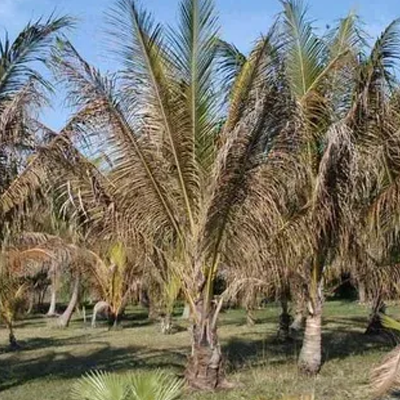
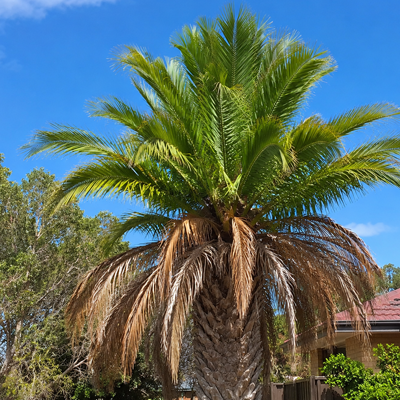
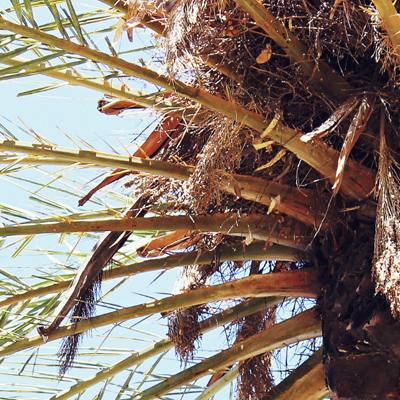
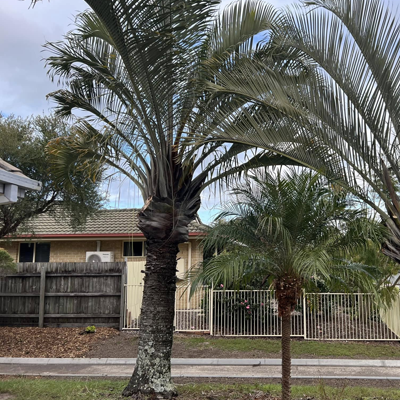
Brown palm fronds are often part of the normal ageing process, particularly when the change is limited to the oldest growth around the outside or lower part of the crown. Palms regularly replace older fronds as new ones develop, so gradual browning in these areas does not necessarily point to serious decline.

Temporary stress can also affect frond colour after heat, dry weather, heavy rain, root disturbance, or storm exposure. The pattern is more useful than the colour alone. A palm that continues producing healthy growth may recover, while browning that spreads into newer fronds or across the entire crown deserves closer attention.

Dead Palm Tree Signs: When a Palm Is Past Saving - Brown palm fronds

The Crown Is the Most Important Area to Check

The crown contains the palm’s newest growth, including the central spear that develops into the next frond. This is the part of the palm that shows whether active growth is still continuing. A healthy spear should remain firm and continue opening as the palm produces new foliage.

A palm that is not growing new fronds may have damage around the central growing point, especially if the spear has turned brown, softened, or pulled away from the crown. The condition of this area is usually more significant than older fronds lower down because a palm relies on the crown to replace lost growth.

Dead Palm Tree Signs: When a Palm Is Past Saving - Palm tree crown

Signs a Palm May Be Past Saving

A dying palm tree usually shows more than one serious change at the same time. The concern increases when the newest growth has failed, the crown is breaking down, and there is no sign of recovery during the palm’s normal growing period.

  • No fresh spear or frond growth is appearing while nearby healthy palms are actively growing.
  • The central spear has turned brown, softened, or collapsed, suggesting the growing point may no longer be functioning.
  • The entire crown has become brown or empty, rather than the decline being limited to older outer fronds.
  • Palm crown collapse has caused the top growth to lean, detach, or fall away from the trunk.
  • Soft, decayed, or badly damaged tissue is visible around the upper trunk or base of the crown.
  • The palm continues declining after temporary stress has passed, with no healthy growth returning over the following weeks or months

One symptom on its own may not confirm that the palm is dead, particularly after severe weather or short-term stress. When several of these signs appear together, the palm should be assessed before dead fronds, crown material, or trunk sections become a wider property concern.

Dead Palm Tree Signs: When a Palm Is Past Saving - Unhealthy palm tree

What Trunk and Crown Damage Can Indicate

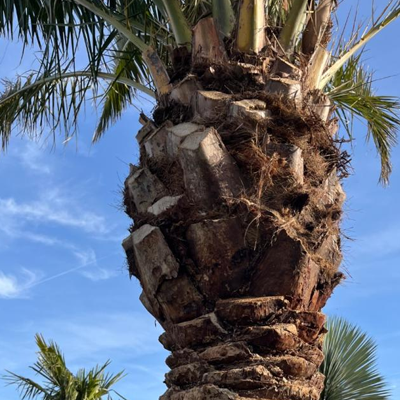
Damage around the upper trunk or crown can affect both the palm’s ability to keep growing and the way it supports its remaining fronds. Wounds, cavities, soft tissue, pest activity, or storm damage can weaken the area below the crown, particularly when the damage extends into the central growing point. A palm tree dying from crown damage may lose strength quickly because new fronds can no longer replace the declining canopy.

Movement or leaning at the crown can also suggest that the upper section is no longer firmly supported. This is different from normal frond movement in wind and may indicate internal decay, separation, or structural damage around the top of the trunk. When the crown itself is unstable, the concern shifts from whether the palm will recover to whether dead material could detach.

Dead Palm Tree Signs: When a Palm Is Past Saving - Crown rot

Signs the Palm May Still Be Able to Recover

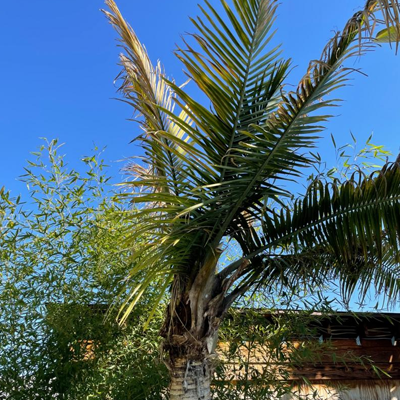
A palm may still have a chance of recovery when the central spear remains firm and green, even if some older fronds have browned or fallen away. Fresh growth emerging from the crown is the strongest positive sign because it shows the growing point is still active. Temporary decline following heat, heavy rain, root disturbance or storm exposure can sometimes improve once conditions stabilise.

Recovery is also more likely when damage is limited to the outer or lower fronds rather than spreading through the entire crown. The palm should continue producing new growth over time, even if that growth is slower or smaller at first. A tree health assessment can help confirm whether the crown is still functioning or whether the decline has progressed too far.

Dead Palm Tree Signs: When a Palm Is Past Saving - Recovering palm tree

When Palm Removal Should Be Considered

Dead palm removal should be considered when the growing point has failed, the crown is no longer producing new fronds, or the upper trunk can no longer support the remaining canopy safely. The decision is also affected by where the palm is growing and what could be damaged if crown material, fronds or trunk sections begin to fall.

Removal may be the practical option when:

  • The central growing point has died and no new spear growth is forming.
  • The crown has collapsed or become unstable, creating a risk of heavy material falling from height.
  • Decay has affected the upper trunk, reducing support beneath the crown.
  • The palm is beside a home, pool, driveway, path or outdoor area where falling material could affect people or property.
  • Dead fronds and crown material are dropping repeatedly, making ongoing monitoring difficult.
  • The palm has continued declining without recovery, despite temporary stress conditions having passed.
  • An arborist confirms the palm cannot be safely retained through cleaning, pruning or monitoring.
Dead Palm Tree Signs: When a Palm Is Past Saving - Decaying crown

A dead palm does not always need emergency removal, but delaying the work can reduce the options for controlled access and dismantling. Professional palm tree removal is usually easier to plan before the crown or trunk becomes severely compromised.

Concerned Your Palm May Be Dead?

If your palm has stopped producing new growth, lost its central spear or developed damage around the crown, it is worth having the tree checked before removal becomes more difficult. O’Brien’s Tree Care can assess the crown, trunk and remaining growth, then advise whether monitoring, cleaning or removal is the right option. Contact our team on 07 5497 3116 or email info@obrienstreecare.com.au.

FAQ: Dead Palm Trees

A dead palm usually stops producing new growth from the centre of the crown. The central spear may turn brown, soften or collapse, while the rest of the crown continues declining without recovery.

Not always. Older lower fronds naturally brown and temporary stress can also affect colour, but widespread browning through the newest growth is more concerning.

Recovery depends on whether the growing point is still alive. If fresh growth begins emerging from the crown, the palm may recover, but a soft or collapsed centre can indicate more serious damage.

For many single-stemmed palms, the top contains the only growing point. If that area dies completely, the palm usually cannot produce a new crown.

Dead fronds can be removed when they create a safety or maintenance issue, especially above paths, driveways, pools or outdoor areas. Healthy green fronds should generally be left in place unless there is a clear reason to remove them.

Removal should be considered when the crown has collapsed, new growth has stopped, decay is affecting the upper trunk or falling material could affect people or property. An arborist can confirm whether the palm is dead or still capable of recovery.