Stump Grindings: What to Do With Them After the Job

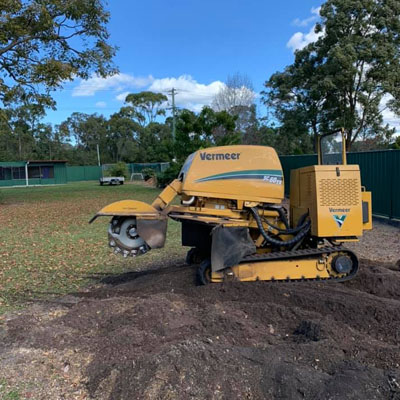
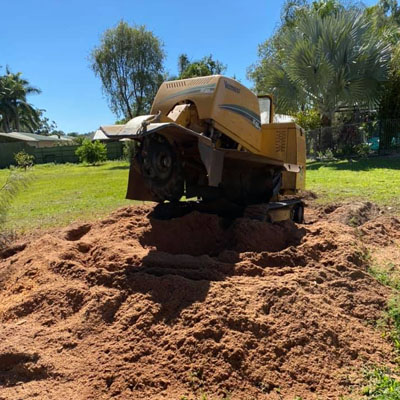
After stump grinding, the visible stump is gone, but the job often leaves behind a loose pile of wood chips, soil, and root material. This leftover material can be useful in some situations, but it is not always best to leave it exactly where it falls. What happens next depends on how the area will be used.

Stump grindings can help fill the hole temporarily, provide mulch, or support soil coverage while the ground settles. They can also create problems if the area is being prepared for turf, paving, or new planting. The right approach depends on whether the site needs short-term coverage, long-term stability, or a clean finish for future landscaping.
Why Stump Grindings Behave Differently From Soil or Mulch

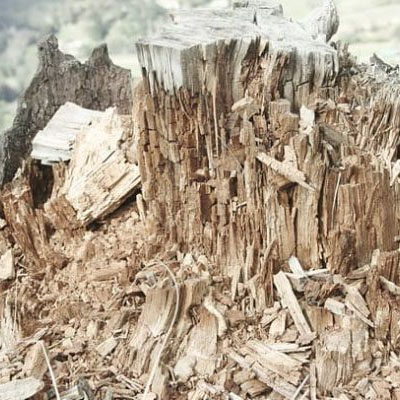
Stump grindings are not the same as clean garden mulch or fresh topsoil. They are a loose mix of shredded stump wood, root fragments, bark, and surrounding soil, which means they settle, break down, and hold moisture unevenly after the job is finished. This is why the area can look level at first but change over time.

The main issue is not what the grindings are made of, but how they perform once left in the ground. Fresh woody material continues decomposing, reducing volume and changing the surface level. That makes stump grindings useful for short-term filling or garden cover, but less suitable as a finished base for turf, paving, or new planting without extra preparation.

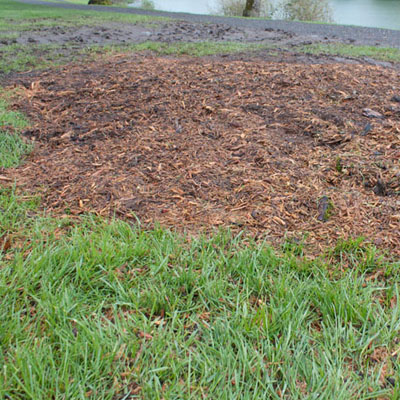
Stump Grindings: What to Do With Them After the Job - Using stump grindings as mulch

Leaving Grindings in Place: When It Works

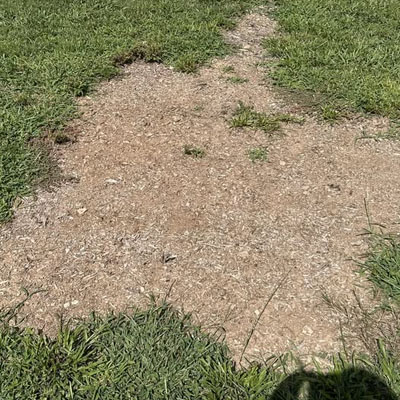
After stump grinding, leaving the grindings in place can be useful when the area does not need a perfectly finished surface straight away. The material can help fill the stump hole, reduce exposed soil, and provide temporary coverage while the ground begins to settle. This works best in garden areas where minor unevenness will not create an access or maintenance issue.

  • Filling the stump hole temporarily can reduce the open depression left after grinding. This helps make the area safer while the material begins to settle.
  • Using grindings in low-traffic garden areas can work well where the ground does not need to support turf, paving, or regular foot traffic.
  • Spreading material lightly as mulch may help cover nearby garden beds, provided it is not piled too thickly or placed against trunks and stems.
  • Reducing surface erosion can be useful on bare soil where runoff may otherwise wash loose ground away.
  • Leaving grindings before future landscaping can provide short-term coverage until the area is ready to be reshaped or refilled properly.
Stump Grindings: What to Do With Them After the Job - Stump grindings being left in place

When the site is not being finished immediately, stump grindings can serve a practical short-term purpose. The main consideration is whether the material will settle, decompose, or interfere with how the area will be used later.

When Stump Grindings Should Be Removed

Stump grindings should usually be removed when the area needs a firm, level, or clean finish after the job. While the material can be useful for temporary filling, it continues to break down and settle over time. This can create uneven ground if the site is being prepared for a more permanent surface.

After stump removal, clearing excess grindings is often the better option before laying turf, installing paving, building garden edging, or replanting in the same area.. Fresh grindings can affect soil levels, hold moisture differently, and interfere with new root establishment. Clearing the material and replacing it with suitable soil gives the area a more stable base for future use.

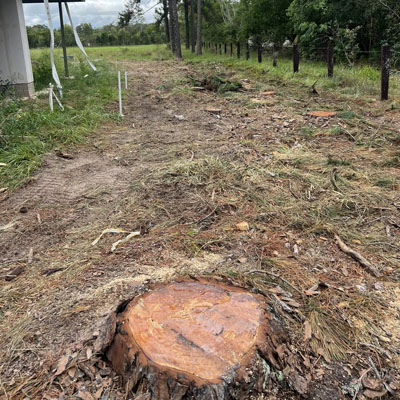
Stump Grindings: What to Do With Them After the Job - Uneven ground can cause issues for utilizing the space

Using Stump Grindings as Mulch

Stump grindings can be reused as mulch in some garden areas, but they need to be applied carefully. Because the material is fresh, uneven, and mixed with soil, it behaves differently from aged landscape mulch. Thin, controlled use is usually safer than spreading it heavily across planting areas.

  • Spread grindings in a light layer rather than piling them deeply. Thick layers can hold excess moisture and slow airflow through the soil surface.
  • Keep material away from trunks and stems to avoid trapping moisture against living plants. A clear gap helps reduce rot and pest issues.
  • Use grindings in informal garden beds where appearance and even texture are less critical. The material may look rougher than commercial mulch.
  • Allow for settling over time, as fresh wood material breaks down and reduces in volume. Areas that look level at first may sink later.
  • Avoid using large amounts around young plants, as fresh woody material can temporarily affect soil nitrogen availability during breakdown.
Stump Grindings: What to Do With Them After the Job - Using stump grindings as mulch

Used carefully, stump grindings can provide useful ground cover and help recycle material from the removal process. The key is to treat them as fresh organic matter, not a finished landscaping product.

Planting or Turfing Over a Ground Stump

Planting or turfing over a ground stump usually requires more preparation than simply spreading soil over the grindings. Fresh wood material continues to break down below the surface, which can cause the area to sink or become uneven later. It can also affect how consistently new turf or plants establish in that spot.

For a cleaner result, excess grindings are often removed and replaced with suitable soil before turfing or planting. This gives new roots a more stable growing medium and reduces the chance of settling. If the area is being replanted with another tree or larger shrub, the remaining underground material and old root system need to be considered before choosing the exact position.

Stump Grindings: What to Do With Them After the Job - Stump grindings

What Happens as Grindings Break Down

Stump grindings continue changing long after the grinding work is finished. As the wood material decomposes, the volume gradually reduces and the surface can settle lower than it first appeared. This is one reason areas filled only with grindings may become uneven over time.

  • The material shrinks as it decomposes, which can leave a depression where the stump was removed.
  • Fungal activity may appear as the wood breaks down, especially during wet or humid conditions. This is usually part of the natural decomposition process.
  • Moisture levels can vary, as fresh grindings may hold water differently from surrounding soil.
  • Soil levels may need topping up later once the material has settled and compacted.
  • Organic matter improves over time, but the early breakdown stage can be unstable for turf, paving, or new planting.
Stump Grindings: What to Do With Them After the Job - Grindings break down over time

These changes are normal, but they can affect how the area performs if it needs to be used straight away. Planning for settling helps avoid frustration after the stump has been removed.

Need Help After Stump Grinding?

If you have stump grindings left behind and you’re unsure whether to keep, spread, or remove them, the best option depends on how the area will be used next. We can help you plan for settling, soil replacement, turfing, planting, or a cleaner finish after stump grinding. To arrange advice or an onsite inspection, contact O’Brien’s Tree Care on 07 5497 3116 or info@obrienstreecare.com.au.

FAQ: What To Do With Stump Grindings

They can be left behind if the area does not need a finished surface straight away. Grindings are useful for temporary filling, but they will settle and break down over time.

Yes, but they should be used carefully. A light layer can work in garden beds, but thick piles may hold too much moisture or affect nearby plants.

Grass may struggle if turf is laid directly over fresh grindings. Removing excess material and adding suitable soil usually gives turf a better chance to establish evenly.

Fresh wood material can attract insects as it breaks down, especially if left in large damp piles. Keeping grindings spread thinly or removing excess material reduces that concern.

Breakdown time varies depending on moisture, stump size, species, and how much soil is mixed through the material. The area may continue settling for months as the grindings decompose.

Often, yes. Removing excess grindings and replacing them with suitable soil provides a more stable growing area, especially for turf, shrubs, or a new tree.