Stump Grinding vs Stump Removal: What Is the Difference?

Once a tree has been removed, the remaining stump can still affect mowing, landscaping, access and the way the area is used. It may sit above the lawn, create a trip point, interfere with new planting or prevent the ground from being finished properly. Removing the visible tree does not automatically mean the whole job is complete.

The choice between stump grinding and stump removal depends on the size and position of the stump, equipment access and what is planned for the site afterwards. Grinding reduces the stump below ground level with less disturbance, while full removal involves excavating the stump base and more of the surrounding root system. Both methods clear the obstruction, but they leave very different conditions behind for turf, garden beds, paving or future construction.
What Happens During Stump Grinding

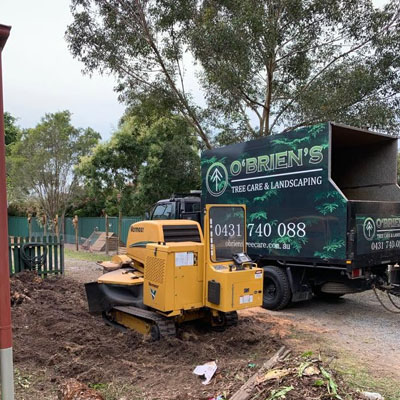
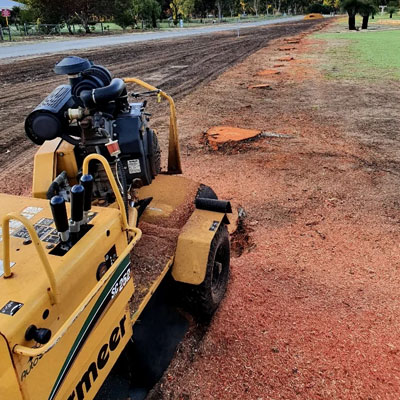
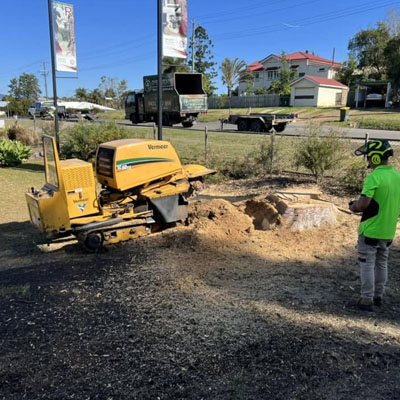
Stump grinding uses specialised machinery to break the stump down into small wood chips below the surrounding ground level. The depth can vary depending on the stump, access and the intended finish, but the goal is to remove the visible stump and clear the surface without excavating the entire root system.

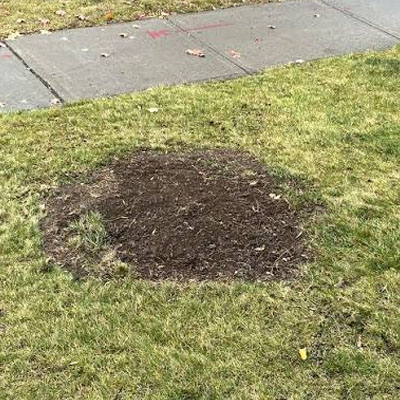
After stump grinding, the larger roots generally remain underground and gradually break down over time. The process leaves a mix of wood chips and soil that can be removed, reused or replaced with suitable fill depending on whether the area will become lawn, garden or part of a later landscaping project.

Stump Grinding vs Stump Removal - Stump grinding

Stump Removal Goes Deeper Than Grinding

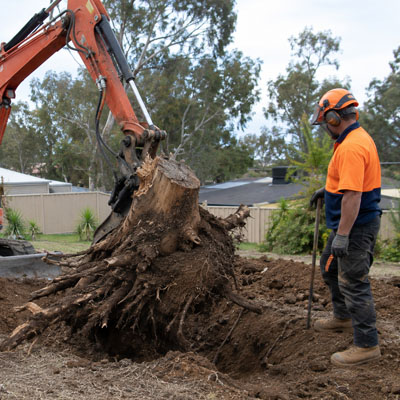
Stump removal involves excavating the stump base and lifting out a larger portion of the root ball rather than reducing it below the surface. This usually creates a wider and deeper hole, with more soil disturbance around the original position of the tree. Larger machinery and clearer access may also be needed, depending on the stump size and surrounding space.

Even with full removal, smaller roots may still remain further out in the soil. The main difference is that the central stump and more of the immediate root mass are taken out, leaving the area open for deeper ground preparation. This can be useful where excavation, construction or major landscaping work is already planned.

Stump Grinding vs Stump Removal - Stump removal

The Main Differences Between Grinding and Removal

The difference between the two options is not only how much of the stump disappears from view. Each method affects the remaining roots, surrounding soil and the amount of restoration needed afterwards.

  • Depth of work: Grinding reduces the stump below ground level, while removal takes out the central stump base and more of the root ball.
  • Roots left underground: Most roots remain after grinding. Full removal clears more of the immediate root mass, although smaller roots may still extend through the surrounding soil.
  • Ground disturbance: Grinding works within a more contained area. Removal requires excavation and can disturb a larger section of lawn or garden.
  • Hole left behind: Grinding leaves a smaller area filled with loose wood chips and soil. Removal creates a wider, deeper hole that needs suitable fill.
  • Access and equipment: A stump grinder can often reach residential sites with limited access. Full removal may require heavier machinery and more working space.
  • Site restoration: Ground stumps can usually be prepared for lawn or garden use with soil replacement and settling. Excavated sites generally need more substantial backfilling and levelling.
Stump Grinding vs Stump Removal - Stump grinder

The best choice depends on what needs to happen above and below the ground once the stump is gone. Stump grinding vs stump removal becomes a practical decision based on access, disturbance and the intended use of the area.

Which Option Suits the Area Afterwards?

The planned finish should guide the choice between grinding and removal. Stump grinding for lawns and garden areas is often practical because it clears the surface without excavating a large section of ground. Excess stump grindings can then be removed, suitable soil added and the area allowed to settle before turf or smaller plants are established.

Planting after stump grinding may need more preparation if another tree is intended for the same position. Remaining roots and decomposing wood can affect the soil, so shifting the new planting slightly or replacing more material may give it a better start. Full stump removal may suit paving, footings, drainage or construction that requires deeper excavation, but the added disturbance is not always worthwhile for a standard residential yard.

Stump Grinding vs Stump Removal - Grinding requires preparation

What Happens to the Roots After Stump Grinding

After the stump is ground below the surface, most of the larger roots remain in the soil. These roots are no longer supporting a living tree, so they gradually dry out and break down over time. What happens to roots after stump grinding depends on the tree species, root size, soil conditions and whether any active growth remains.

  • Most underground roots stay in place rather than being excavated with the stump.
  • Roots gradually decompose as moisture, soil organisms and time break down the remaining wood.
  • Some species may produce shoots from surviving roots or the edge of the stump area.
  • Surface roots can remain visible and may need separate grinding if they interfere with mowing, paths or landscaping.
  • Soil levels can settle as roots and woody material reduce in volume below ground.
  • Immediate replanting may be limited where large roots still occupy the original planting area.

The remaining roots usually become less noticeable as they decompose, but the process can take time. Allowing for settling and future ground use helps avoid problems with turf, garden beds or new planting later.

Stump Grinding vs Stump Removal - Settled soil

Need Help Choosing Between Stump Grinding and Removal?

The best option depends on the stump size, access, surrounding ground and what you plan to do with the area afterwards. O’Brien’s Tree Care can assess whether stump grinding will provide the finish you need or whether more extensive tree stump removal should be considered for the site.
To arrange an onsite assessment, contact our team on 07 5497 3116 or email info@obrienstreecare.com.au.

FAQ: Stump Grinding vs Stump Removal

No. Stump grinding reduces the visible stump below ground level, while full stump removal excavates the stump base and more of the surrounding root ball. Grinding generally causes less disturbance to the yard.

Most roots remain underground after grinding and gradually break down over time. Surface roots may sometimes be ground separately if they interfere with mowing, paths or landscaping.

Some tree species can produce shoots from remaining roots or parts of the stump that were not fully ground. Whether regrowth occurs depends on the species and how much living material remains.

It is possible, but planting directly over the old stump position may be difficult because roots and decomposing wood remain underground. Moving the new tree slightly and preparing the soil usually provides a better planting area.

Yes, provided excess grindings are removed and replaced with suitable soil. The area may need time to settle before turf is laid so a depression does not develop later.

Stump grinding usually causes less ground disturbance because it works within a smaller area and does not excavate the whole root ball. Full removal creates a larger hole and generally requires more backfilling and levelling.