How Often Should Trees Be Pruned?

Tree pruning is not always something that needs to happen on a fixed yearly schedule. Some trees benefit from light, regular pruning, while others may only need attention when branches become damaged, crowded, overextended, or too close to buildings. The right timing depends on the tree, the site, and the reason for pruning.

For homeowners, the question is usually not just how often trees should be pruned, but whether pruning is needed at all. Cutting too much, too often, or at the wrong time can create new problems rather than solve existing ones. A good pruning schedule should support the tree’s health, structure, clearance, and safety without removing more growth than necessary.
There Is No Single Pruning Schedule for Every Tree

Trees do not all grow at the same speed or respond to pruning in the same way. A fast-growing tree near a driveway, roofline, or boundary may need attention more often than a slower-growing tree with plenty of space around it. Species, age, condition, past pruning, and exposure to storms can all affect the timing.

The purpose of pruning also changes the schedule. Removing deadwood, improving clearance, correcting young structure, and reducing weight from overextended branches are different jobs with different timing needs. Rather than pruning simply because another year has passed, it is better to look at what the tree is doing and whether there is a clear reason to cut.

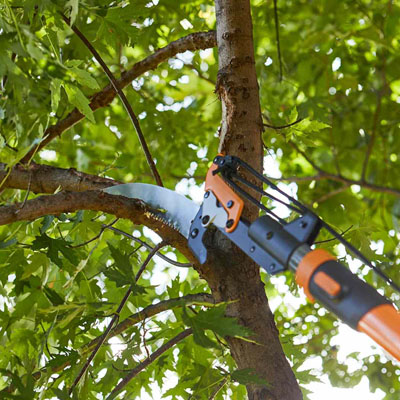
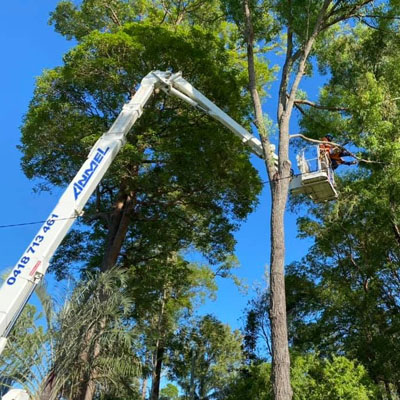
How Often Should Trees Be Pruned - Tree pruning

Factors That Affect How Often Pruning Is Needed

Pruning frequency depends on the way the tree is growing and what is happening around it. Some trees need occasional maintenance only, while others may need more regular attention because of their location, structure, or exposure. The goal is to prune for a clear reason, not simply because the tree has reached a certain size.

  • Growth rate affects how quickly branches extend into paths, roofs, driveways, or neighbouring areas.
  • Tree age influences the type of pruning needed, with younger trees often needing lighter structural work and mature trees needing more targeted management.
  • Dead or damaged branches may need attention sooner, especially when they are above homes, outdoor areas, or access points.
  • Clearance requirements can affect pruning timing when branches are close to roofs, gutters, fences, vehicles, or walkways.
  • Storm exposure may increase the need for inspection and selective pruning, particularly on trees with overextended or unbalanced limbs.
  • Previous poor pruning can create weak regrowth, crowded shoots, or structural defects that need ongoing correction.
  • Canopy density can affect airflow, light penetration, and branch movement, especially in trees that have become crowded or heavy.
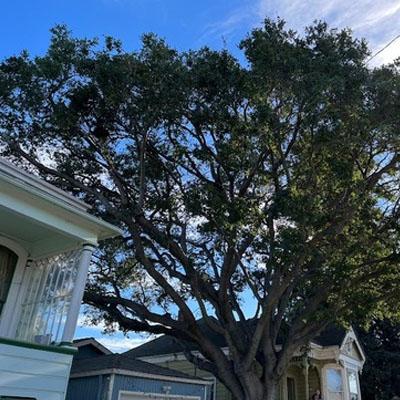
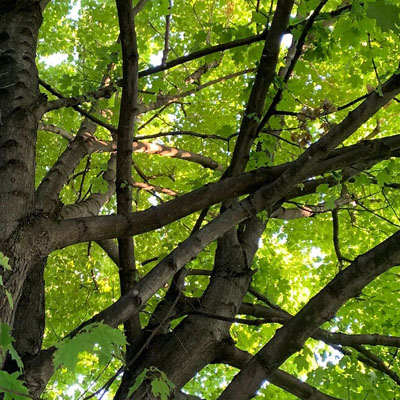
How Often Should Trees Be Pruned - Tree canopy

These factors often overlap, which is why tree pruning should be based on the tree’s condition and setting. A tree in an open yard may need very little work, while the same species growing beside a house or driveway may need a more regular pruning plan.

Young Trees Often Need Lighter, More Regular Pruning

Young trees often benefit from lighter pruning while their structure is still forming. This does not mean cutting them heavily or shaping them into an unnatural form. The aim is to encourage strong branch spacing, reduce crossing or rubbing branches, and avoid structural problems becoming harder to manage later.

Early pruning is usually more selective than major. Small adjustments made at the right stage can reduce the need for larger cuts as the tree matures. This can be especially useful for trees planted close to homes, driveways, paths, or other areas where future clearance and structure will matter.

How Often Should Trees Be Pruned - Young tree pruning

Mature Trees Usually Need More Targeted Pruning

Mature trees generally need pruning for specific reasons rather than routine shaping. The focus is often on removing dead or damaged branches, improving clearance, managing canopy weight, or reducing pressure on overextended limbs. Large trees can respond poorly to unnecessary cutting, so each cut should have a clear purpose.

Targeted pruning can help maintain safety and structure without stripping the canopy or changing the tree’s natural form. This is especially important for established trees near homes, driveways, sheds, fences, or outdoor living areas. The aim is to manage risk and clearance while keeping as much healthy canopy as possible.

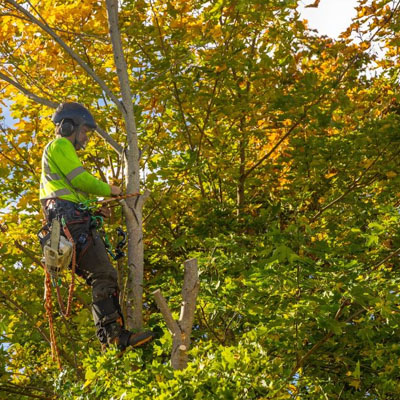
How Often Should Trees Be Pruned - Mature tree pruning

Signs a Tree May Be Due for Pruning

A tree may be due for pruning when branches start affecting safety, clearance, structure, or overall canopy condition. The signs are not always dramatic, but they often become easier to see as the tree grows into nearby spaces or as older branches begin to decline. Pruning is most useful when it responds to a specific issue rather than removing growth for no clear reason.

  • Dead or damaged branches may need removal before they become a hazard over roofs, driveways, paths, or outdoor areas.
  • Crossing or rubbing branches can create wounds where bark is damaged and movement continues over time.
  • Low branches may need lifting where they affect access, mowing, vehicles, footpaths, or visibility.
  • Branches growing close to roofs or gutters can create clearance problems and make maintenance harder.
  • Overextended limbs may need selective weight reduction when they are carrying too much load away from the main trunk.
  • Dense canopy growth may need thinning where poor airflow, heavy shade, or crowded branch structure is becoming an issue.
  • Unbalanced growth can place more pressure on one side of the tree, especially after storms, past pruning, or nearby competition.
How Often Should Trees Be Pruned - Tree branches overhanging roof

These signs do not always mean heavy pruning is needed. In many cases, selective work is enough to manage the issue while keeping the tree’s natural shape and healthy canopy intact.

When Pruning Too Often Can Cause Problems

Pruning too often can place unnecessary stress on a tree, especially when healthy canopy is removed without a clear reason. Leaves produce the energy the tree needs for growth, recovery, and root function, so excessive cutting can reduce the tree’s ability to support itself. This is one reason pruning should be targeted rather than treated as routine trimming.

Over-pruning can also encourage weak regrowth, expose branches and bark to sun damage, and create more wound sites than the tree can manage well. In some cases, frequent cutting changes the natural shape of the tree and creates a cycle where regrowth needs constant correction. Good pruning should solve a problem, not create another one for the following season.

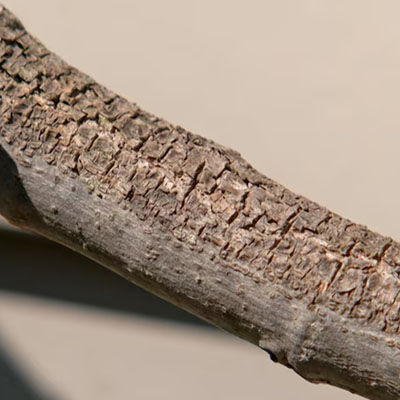
How Often Should Trees Be Pruned - Sun damaged tree bark

Getting the Pruning Schedule Right for Your Tree

The right pruning schedule starts with the reason for pruning. A young tree may need light structural work, while a mature tree may only need attention when deadwood, clearance, weight, or canopy density becomes an issue. Looking at the tree’s growth pattern and setting gives a better result than pruning on a fixed calendar.

Timing should also consider the tree’s condition and recent stress. Trees that have been affected by storms, heat, drought, root disturbance, or pest activity may need a different approach from healthy trees growing in stable conditions. A tree health assessment can help identify what should be pruned, what should be left alone, and how often the tree is likely to need follow-up work.

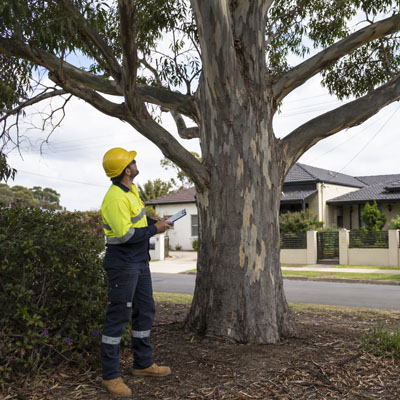
How Often Should Trees Be Pruned - Tree health assessment

Need Advice on Tree Pruning?

If you are unsure how often your trees should be pruned, the best place to start is with the tree’s condition, location, and growth pattern. O’Brien’s Tree Care can assess whether pruning is needed, what type of pruning is suitable, and how often the tree is likely to need future maintenance. To arrange pruning advice or an onsite inspection, contact our team on 07 5497 3116 or email info@obrienstreecare.com.au.

FAQ: Frequency of Tree Pruning

Not always. Some trees need regular light pruning, while others only need attention when there is deadwood, poor clearance, structural imbalance, or another clear reason to prune.

The best timing depends on the species, condition, and purpose of pruning. Some work can be done when issues appear, while other pruning is better timed around growth cycles and seasonal stress.

Selective pruning can help manage overextended, damaged, or poorly attached branches, but it cannot make a tree storm-proof. The aim is to reduce known issues without removing too much healthy canopy.

Yes, pruning too often can stress the tree, encourage weak regrowth, and create unnecessary wound sites. Pruning should be done for a clear purpose rather than as automatic trimming.

A mature tree may need pruning if it has dead or damaged branches, clearance issues, rubbing limbs, dense growth, overextended branches, or signs of structural imbalance. Large established trees should be assessed before major pruning.

Yes. Young trees usually need lighter structural pruning to guide strong growth, improve branch spacing, and reduce future defects. Heavy pruning is rarely the right approach for a young tree.