When Tree Work Needs a Qualified Arborist

Tree work can range from simple yard cleanup to work that affects safety, structure, property access, and the long-term health of the tree. Small fallen branches or light ground-level maintenance may be straightforward, but larger trees, damaged limbs, heavy timber, and pruning decisions need a different level of care. The more the job involves height, weight, defects, or nearby structures, the more important qualified advice becomes.

A qualified arborist can assess the tree before deciding what work is suitable. That may mean pruning, removal, monitoring, or a more detailed tree health assessment depending on the condition of the tree and the risks around it. Good tree work is not just about cutting branches or clearing space. It is about choosing the right approach for the tree, the site, and the people or property nearby.
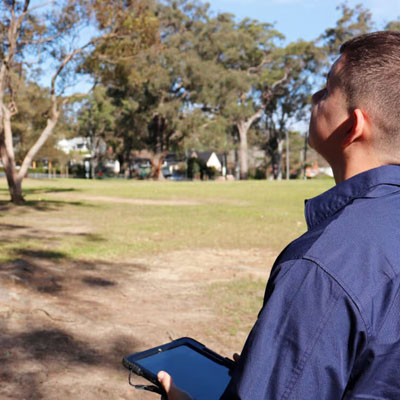
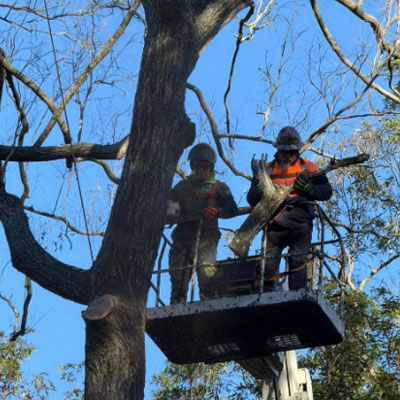
Not Every Tree Job Is the Same

Some tree jobs are simple, low-risk tasks, while others involve heavy timber, unstable branches, working at height, or trees growing close to property. A small fallen branch on the ground is very different from a limb over a roof, a dead section high in the canopy, or a tree showing signs of decay. The difficulty is not always obvious from the ground.

Qualified arborists are trained to look at more than the branch or tree section being removed. They consider structure, load, access, defects, surrounding targets, and how the work may affect the tree after the job is finished. This is especially important when pruning, removal, or risk management decisions could change the tree’s stability or future growth.

When Tree Work Needs a Qualified Arborist - Qualified arborist

Tree Removal Should Be Assessed Carefully

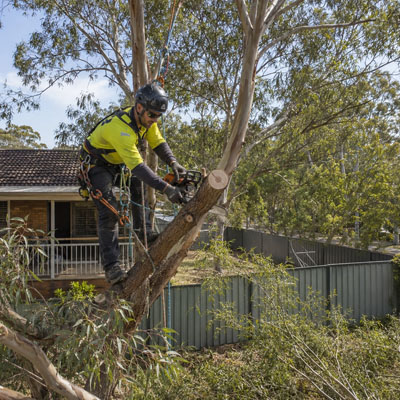
Tree removal needs careful assessment when the tree is large, dead, leaning, damaged, or growing close to people, buildings, fences, driveways, or other property. The concern is not only whether the tree can be cut down, but how the timber will move once sections are removed. Weight, balance, decay, wind exposure, and access can all affect the safest way to complete the work.

A qualified arborist can assess issues that may change the removal method, including:

  • Dead or brittle timber that may break unpredictably during the job.
  • Leaning trunks where the weight of the tree is already pulling in one direction.
  • Decay, cavities, or cracks that may affect how the tree holds together.
  • Branches over structures where controlled section removal may be needed.
  • Confined access where equipment, rigging, or staged removal may be required.
  • Nearby targets such as roofs, sheds, pools, fences, vehicles, and neighbouring properties.

Tree removal is often more complex than it appears from the ground. Having the tree assessed first helps determine whether removal is needed, how the work should be approached, and what risks need to be managed before cutting begins.

When Tree Work Needs a Qualified Arborist - Tree removal

Pruning Can Affect Tree Health and Structure

Pruning is not just a matter of cutting branches back to reduce size. Each cut changes how the tree carries weight, responds to wind, produces new growth, and protects exposed tissue. Poor pruning can leave large wounds, weak regrowth, unbalanced limbs, or a canopy that is more stressed than it was before the work started.

A qualified arborist can decide which branches should be removed, reduced, or left alone. This is important for mature trees, overextended limbs, dense canopies, and trees growing close to homes or access areas. Good pruning should improve the tree’s structure or clearance without stripping away healthy growth unnecessarily.

When Tree Work Needs a Qualified Arborist - Tree pruning

When Tree Health Is Part of the Decision

Tree work often needs more than a decision about which branch to cut. If a tree is showing dieback, fungal growth, cracks, cavities, thinning foliage, or root disturbance, pruning or removal should be considered alongside the tree’s overall condition. Cutting back visible growth may not address the issue if the tree is already under stress.

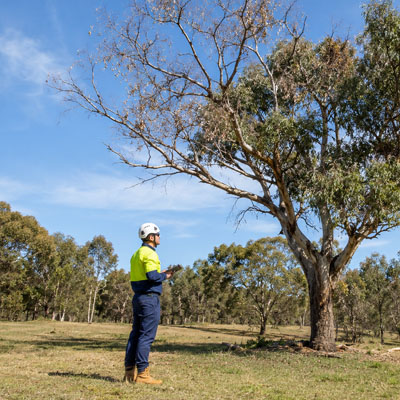
A qualified arborist can assess whether the tree is likely to respond well to pruning, whether monitoring is suitable, or whether removal is the safer option. This is especially important when symptoms appear together or continue across seasons. The right decision depends on the tree’s health, structure, location, and how much risk it presents.

When Tree Work Needs a Qualified Arborist - Assessment of unhealthy tree

Why DIY Tree Work Can Become Dangerous Quickly

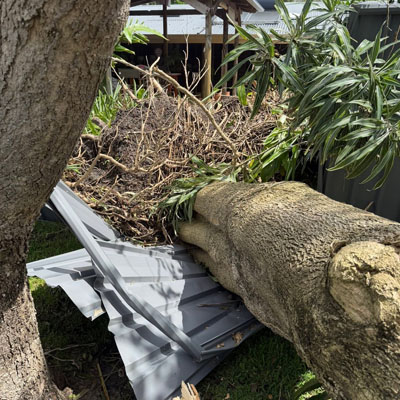
DIY tree work can become dangerous when the job involves height, heavy branches, chainsaws, ladders, or timber under tension. A branch that looks manageable from the ground can move suddenly once it is cut, especially if it is leaning, twisted, split, or caught against other branches. The risk increases when the work is close to roofs, vehicles, fences, sheds, or people moving through the area.

The danger is not only falling from height. Uncontrolled branch movement, kickback from cutting equipment, unstable ladders, and falling timber can all cause serious injury or property damage. If the work cannot be done safely from the ground with basic hand tools, it is usually better to have the tree assessed and handled by someone with the right training, equipment, and insurance.

When Tree Work Needs a Qualified Arborist - Tree damaging property

Choosing the Right Help for the Job

Choosing the right person for tree work means looking beyond whether they can cut the tree or branch down. The work should be assessed properly, planned safely, and carried out in a way that suits the tree, the site, and the surrounding property. Qualifications, insurance, equipment, and experience all become important when the job involves height, weight, defects, or confined access.

A qualified arborist should be able to explain what work is needed and why. That may include pruning for structure or clearance, removing a tree that is no longer safe to retain, or recommending monitoring when immediate work is not required. The right advice helps avoid unnecessary cutting while making sure genuine risks are not ignored.

When Tree Work Needs a Qualified Arborist - Choose the right help for the job

Need a Qualified Arborist for Tree Work?

If your tree work involves height, heavy branches, damaged trees, pruning decisions, or trees close to property, it is worth getting qualified advice before the job begins. O’Brien’s Tree Care can assess the tree, explain the safest options, and complete pruning, removal, or tree health work with the right equipment and experience. To arrange an onsite inspection, contact our team on 07 5497 3116 or email info@obrienstreecare.com.au.

FAQ

A qualified arborist assesses tree health, structure, safety, and site conditions before recommending suitable work. This may include pruning, removal, monitoring, or further assessment depending on the tree and the risks involved.

You should use a qualified arborist when the tree is large, dead, leaning, damaged, close to property, or difficult to access. These factors can change how the tree needs to be removed safely.

Yes. An arborist can assess whether pruning is enough to manage the issue or whether removal is the safer option. The decision depends on the tree’s health, structure, location, and level of risk.

Small ground-level tasks may be manageable, but pruning becomes risky when branches are heavy, high, damaged, or close to property. Poor cuts can also affect the tree’s structure and future growth.

Storm-damaged trees should be assessed when branches are split, hanging, cracked, leaning, or caught in the canopy. Damage that looks minor from the ground can still affect the tree’s structure.

Ask about qualifications, insurance, experience, safe work methods, and whether the tree will be assessed before cutting begins. Good advice should explain why the work is needed, not just what will be removed.