Can You Plant a New Tree in the Same Spot After Tree Removal?

Removing a tree does not always mean the area is ready for another one straight away. Even after the trunk and canopy are gone, large roots, disturbed soil and stump material can remain below ground, which can affect how easily a replacement tree establishes.

Replanting after tree removal is usually possible, but the exact old planting position is not always the best place to start again. The condition of the soil, whether the stump has been ground, how much of the original root system remains and why the old tree was removed can all influence where the replacement tree should go.
Can You Replant in Exactly the Same Spot?

In some cases, yes, but planting directly where the old trunk stood can make establishment more difficult. Even after removal, the centre of the old tree may still contain large roots, compacted soil and woody material left from stump grinding, all of which can limit the space available for the new root system.

Where there is room, moving the replacement tree slightly away from the original stump position can provide cleaner soil and fewer physical obstructions. If the exact location needs to be reused, the area may require more preparation first, particularly where large roots or substantial stump material remain below the surface.

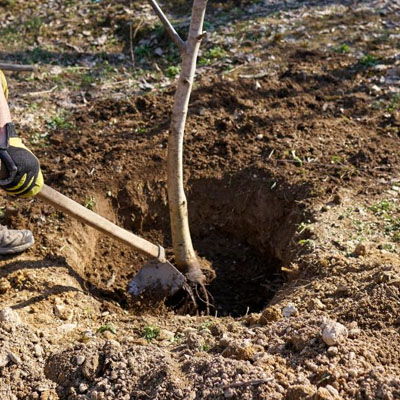
Can You Plant a New Tree in the Same Spot After Tree Removal - Replanting tree

What Remains Underground After Tree Removal?

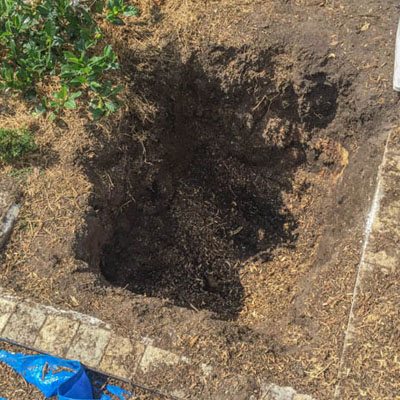
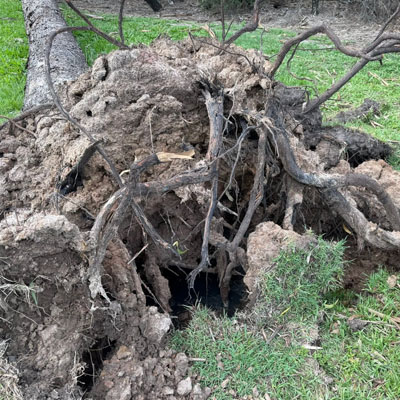
Tree removal does not remove the entire root system. Large structural roots usually remain in the soil and gradually break down over time, while the area around the former stump can contain loosened soil, old root channels and material left behind after removal or grinding.

These changes can affect how the ground settles and how easy it is to prepare the area for another tree. Our article on changes to the ground after tree removal looks more closely at soil movement, decomposing roots and what can happen to the site after the tree is gone.

Can You Plant a New Tree in the Same Spot After Tree Removal - Roots remain underground

Stump Grinding Makes Replanting Easier, But It Does Not Remove Every Root

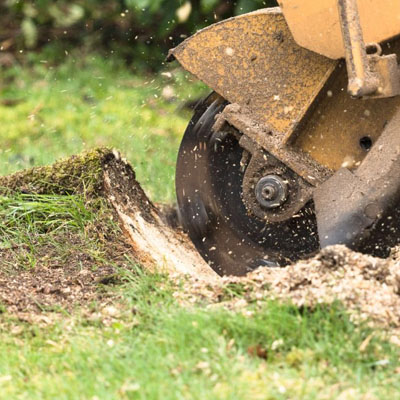
Stump grinding before replanting can make the area much easier to work with because it removes the main stump and reduces the amount of solid wood occupying the planting space. It also gives better access to the soil around the old trunk, which can then be cleared and prepared for a replacement tree.

What stump grinding does not do is remove the entire root system. Large roots can still extend well beyond the original stump and remain underground while they gradually decompose. That means the area may still contain woody material and physical obstructions even after the stump itself has been ground away.

Can You Plant a New Tree in the Same Spot After Tree Removal - Stump grinding

What Needs to Be Cleared Before Replanting?

Before planting a replacement tree, the old planting area usually needs some preparation so the new roots are not competing with dense woody material or poorly conditioned soil. The exact amount of clearing depends on how the original tree was removed and how much stump or root material remains.

  • Excess stump grindings should usually be removed rather than left filling the entire planting area.
  • Large roots in the new planting hole may need to be cut back or worked around where they physically obstruct the replacement tree.
  • Compacted or disturbed soil may need loosening and improvement so new roots can establish more easily.
  • Unsuitable fill or debris left from removal work should be cleared before planting.
  • Regrowth from remaining roots should be checked where the original tree was capable of producing new shoots after removal.
Can You Plant a New Tree in the Same Spot After Tree Removal - Replanting trees in the same spot requires careful planning

Where substantial grindings remain, replacing some of that material with suitable soil can give the new tree a better starting point. Our article on stump grindings after tree removal covers what can be reused, what is better removed and how the material can affect the area afterwards.

Why the Original Tree Was Removed Is Important

The reason the previous tree was removed should influence what happens next. If it had outgrown the available space, caused repeated clearance problems, damaged surrounding surfaces or developed issues that were linked to the site itself, putting the same type of tree back in the same position can recreate the original problem.

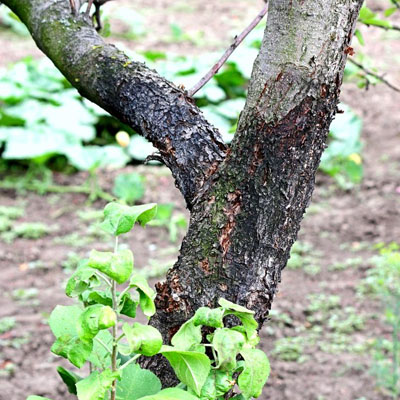
Disease can also change the decision. Where the old tree was removed because of a serious health issue, it may be worth checking whether the cause could affect a replacement before planting again. Choosing a new tree that suits the available space, soil conditions and surrounding structures gives the replacement a much better chance of establishing without creating the same conflict later.

Can You Plant a New Tree in the Same Spot After Tree Removal - Diseased tree

Choosing the Replacement Tree

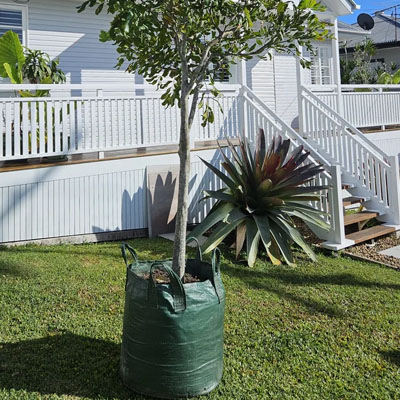
The replacement should be chosen for the space it will occupy once fully grown, not just how it fits when first planted. Mature canopy spread, root space, distance from buildings, driveways and retaining walls, and any overhead services can all influence whether the tree remains suitable for the site over the long term.

This is particularly important when planting where a tree was removed because the previous tree may already have shown what does or does not work in that position. If the old tree became too large, interfered with structures or needed repeated clearance pruning, choosing a species with a more suitable mature size can prevent the same problem developing again. Our article on planting trees near your home covers some of the spacing and placement considerations in more detail.

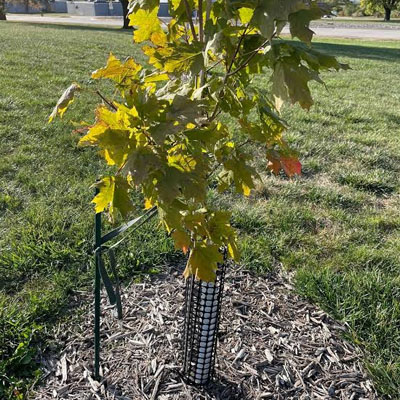
Can You Plant a New Tree in the Same Spot After Tree Removal - Young tree near house

Is It Better to Plant Slightly Away From the Old Stump?

Where space allows, planting the replacement tree slightly away from the centre of the old stump can make establishment easier. This gives the new root system more access to undisturbed soil and reduces the chance of the planting hole being dominated by old roots, decomposing wood or loose material left from grinding.

The exact distance will depend on the site, the remaining root system and the size of the replacement tree. In some cases, replanting after tree removal only needs a small shift in position, while other sites may benefit from choosing a completely different spot that gives the new tree more suitable growing space.

Can You Plant a New Tree in the Same Spot After Tree Removal - Replanting tree near old stump

Planning to Replant After Tree Removal?

If you already know the area will be replanted, it helps to mention that before the old tree is removed or the stump is ground. The intended use of the space can affect how much material is cleared, how the stump is handled and what preparation may be needed before a replacement tree goes in.

O’Brien’s Tree Care can remove or grind the old tree and advise on what should be considered before replacement tree planting. To arrange an onsite assessment, call 07 5497 3116 or contact us online.

FAQ

Yes, but the exact old planting position may need some preparation first. Remaining roots, stump material and disturbed soil can make it harder for a new tree to establish if they are not taken into account.

No. Most of the wider root system is usually left underground to break down naturally. The main concern is whether large roots are obstructing the new planting area or affecting the soil where the replacement tree will go.

In some situations, yes, but the area should be checked first. Excess grindings, compacted soil and large remaining roots may need to be cleared or worked around before replacement tree planting begins.

Usually, at least some of the excess material should be removed if it is filling the planting area. Replacing part of the grindings with suitable soil can give the new tree better conditions for root development.

Often, yes. Moving the replacement tree slightly away from the centre of the old stump can provide less obstructed soil and reduce competition with remaining woody material.

Sometimes, but it depends on why the original tree was removed. If the old tree outgrew the site, conflicted with structures or was affected by a serious health issue, choosing a more suitable species may prevent the same problem from returning.