Do You Need an Arborist Report for Building or Renovation Work?

Planning an extension, new driveway, pool, retaining wall or other work near an established tree can raise questions before construction even begins. The tree may not be directly in the way, but excavation, machinery access, changes to soil levels or work around the root zone can still affect its condition. In some cases, those impacts also need to be considered as part of council or development requirements.

An arborist report may be needed for building or renovation work where an established tree could be affected by the proposed project. Whether formal documentation is required depends on the tree, its location, the type of work and the requirements that apply to the property. Getting arborist input early can help identify potential conflicts before plans are locked in or excavation starts.
Building Work Can Affect Trees Without Removing Them

A tree does not need to be cut down or physically struck for construction work to affect it. Excavation, trenching, machinery movement and changes to soil levels can all disturb the area where roots are growing, sometimes well beyond the visible base of the trunk. Compacted soil can also reduce the movement of air and water through the root zone, placing additional stress on a tree that is meant to remain in place.

A tree assessment before construction can help identify where planned work may come into conflict with important root areas or canopy clearance. This is particularly useful where a tree is being retained beside an extension, driveway, pool, retaining wall or service trench, as small changes to the project layout may reduce unnecessary damage before work begins.

Arborist Report for Building or Renovation Work - Construction work near trees

Projects Where Arborist Input May Be Needed

Some projects create more potential conflict between construction activity and established trees than others. This is especially true when building near trees involves excavation, changed ground levels or work within areas where roots and canopy growth may extend into the proposed footprint.

  • House extensions that bring new footings, walls or roofing closer to established trees.
  • Driveways and access areas where excavation, compaction or vehicle movement may affect surrounding roots.
  • Pools and associated landscaping that require significant excavation close to retained trees.
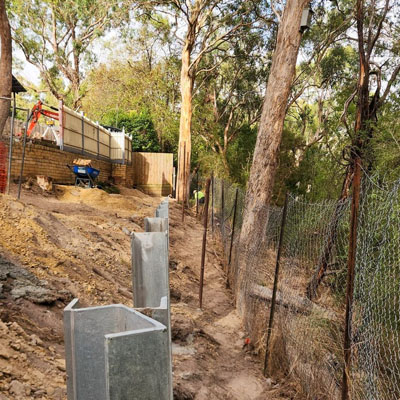
  • Retaining walls where digging, drainage changes or altered soil levels may affect the root zone.
  • Service trenches for plumbing, drainage, electrical or other underground infrastructure.
  • Major landscaping work that changes existing soil levels, drainage or access around the tree.
  • Development involving protected or significant vegetation where council requirements may call for arborist input or formal documentation.
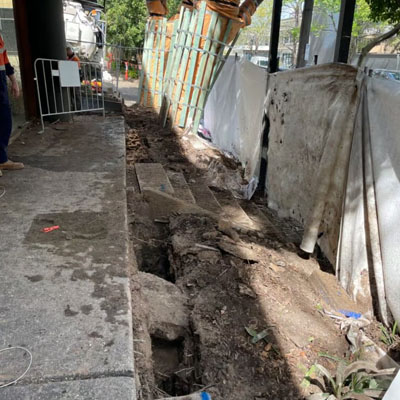
Arborist Report for Building or Renovation Work - Retaining wall construction near trees

These situations do not automatically mean a formal report will be required. They are, however, common points where early arborist involvement can help identify conflicts before construction plans or site work progress too far.

Root Zones Are Often Where Building and Trees Conflict

The visible trunk can make it easy to underestimate how much space a tree is using below ground. Roots spread outward through the surrounding soil, so excavation or trenching some distance from the trunk can still remove important roots or change the conditions they rely on. This is why construction near tree roots needs to be considered before digging begins, particularly where footings, retaining walls, pools or underground services are planned.

Root impacts are also difficult to reverse once the work has been completed. Cutting larger roots can affect support, while repeated machinery movement or changes to soil depth can alter the growing conditions across a wider area. Where proposed work overlaps with an established tree, identifying the root zone early gives the project team more scope to adjust excavation, access or layout before damage occurs.

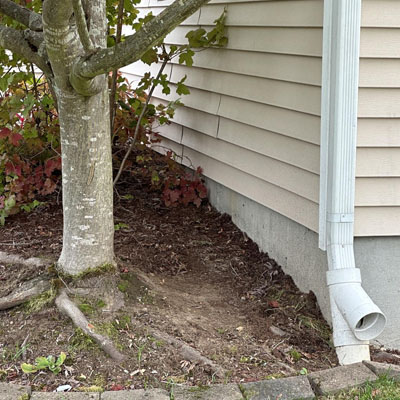
Arborist Report for Building or Renovation Work - Tree roots near existing house

When a Formal Arborist Report May Be Required

Not every building or renovation project requires a formal arborist report. The requirement depends on the council, the property, the status of the tree and how the proposed work may affect it. Where protected or significant vegetation is involved, supporting arboricultural documentation may be required before work can proceed.

Brisbane City Council, for example, notes that construction which may significantly affect the root zone of protected vegetation can require an Arboricultural Impact Assessment. Council also lists an AQF Level 5 arborist report as supporting documentation for work involving a Significant Landscape Tree. Requirements can differ between councils, so property owners should check what applies to their own site before construction begins.

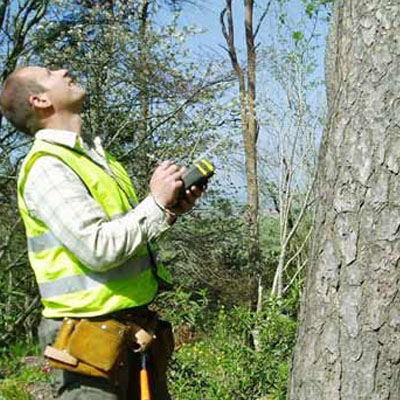
Arborist Report for Building or Renovation Work - Arborist assessment

What the Arborist Can Help Resolve Before Construction

Early arborist input can help identify where a proposed build is likely to conflict with an existing tree before those conflicts turn into site problems. The aim is not simply to protect the tree at all costs, but to work out what can realistically be retained, where changes may be needed and whether the planned construction can proceed without causing unnecessary damage.

An arborist may help with:

  • Identifying important root areas that should be considered before excavation or trenching begins.
  • Setting suitable tree protection zones around retained trees during construction.
  • Reviewing proposed access routes where machinery or material storage could compact soil around the root zone.
  • Checking whether pruning is needed for building clearance before work begins.
  • Recommending layout or excavation changes where small adjustments could reduce impacts on the tree.
  • Assessing whether the tree can reasonably be retained alongside the proposed development.
  • Advising on monitoring or protection during construction where the tree remains close to active work areas.
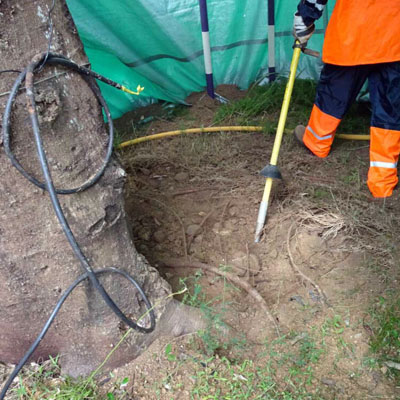
Arborist Report for Building or Renovation Work - Tree root mapping services

This kind of input is most useful while plans can still be adjusted. Once excavation, compaction or root cutting has already occurred, the available options become much more limited.

Planning Building or Renovation Work Near a Tree?

If you are planning construction, excavation or major landscaping near established trees, O’Brien’s Tree Care can assess the site and advise whether arborist input or a formal report is needed before work begins. Contact our team on 07 5497 3116 or email info@obrienstreecare.com.au to arrange an assessment.

FAQ

Not every renovation requires one. An arborist report may be needed when proposed work could affect protected, significant or retained trees, particularly where excavation, access or construction activity overlaps with the root zone.

It depends on the tree, the proposed work and local council requirements. An initial arborist assessment can help identify whether the project is likely to affect the tree and whether formal documentation should be prepared.

Yes. Excavation, trenching, machinery movement, soil compaction and changes to ground levels can all affect roots even when work is taking place some distance from the trunk.

An Arboricultural Impact Assessment looks at how proposed development may affect existing trees and what can be done to manage those impacts. It may include recommendations around retention, removal, tree protection zones, excavation and construction methods.

It can. Where important root areas overlap with proposed footings, driveways, services or other construction, the layout or work method may need to be adjusted to reduce impacts on the tree.

Ideally, the arborist should be involved while the project can still be adjusted, rather than after excavation has started. Early assessment gives the project team more options around access, tree protection, pruning and the location of proposed works.