Is It Normal for a Tree to Sway in Strong Wind?

Watching a large tree move heavily during strong wind can be unsettling, especially when the trunk and canopy appear to bend further than expected. Some movement is normal because trees are built to flex under changing wind loads rather than remain completely rigid. The amount of sway can vary considerably depending on the tree’s height, canopy size, species and exposure.

A tree swaying in strong wind is not automatically unstable, but the type of movement is important. Flex through the upper trunk and branches is very different from visible movement at the base, lifting soil or a lean that appears to increase during the event. Those changes can point to a problem with the tree’s support or structure rather than normal flexibility.
Some Tree Movement in Wind Is Normal

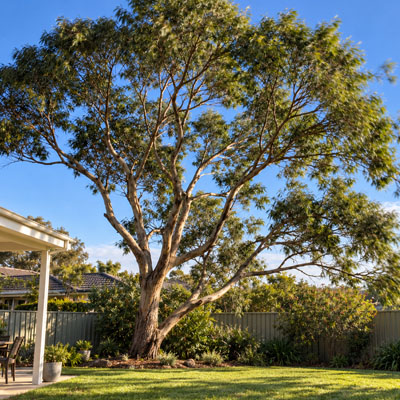
Trees are built to flex, and some sway through the trunk and canopy helps them absorb changing wind loads. Taller trees and those with broad crowns can look particularly dramatic during strong gusts because movement is amplified higher in the canopy. That movement alone does not mean the tree is unstable.

A tree moving in wind may bend through the upper trunk, shift through major branches and allow the canopy to move independently in different directions. This flexibility is part of how the tree responds to force, and the amount of visible sway can vary between species and individual trees. The more important question is whether the movement stays within the trunk and canopy or begins to affect the base and surrounding soil.

Is It Normal for a Tree to Sway in Strong Wind - Swaying tree

Signs the Movement May Need a Closer Look

Some tree movement becomes more concerning when the sway is accompanied by changes around the base, trunk or major branch structure. The key is whether the tree appears to be flexing normally or whether parts of its support system are also moving.

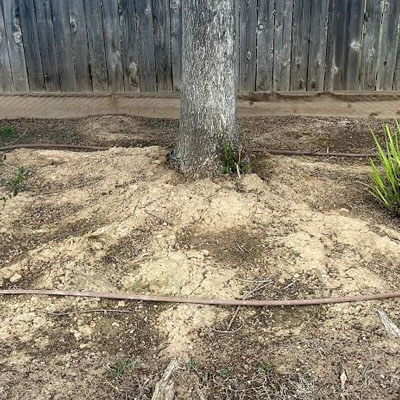
  • Soil lifting around the base can indicate that the root plate is moving with the tree rather than remaining firmly anchored.
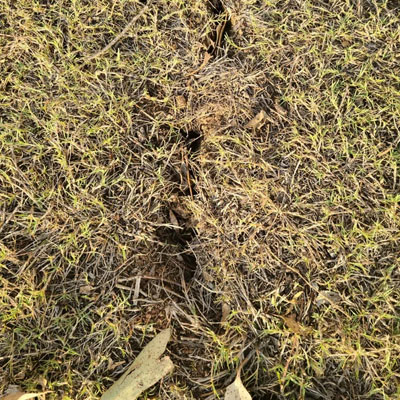
  • Fresh cracks in the surrounding ground may show that the soil has shifted during strong wind.
  • Noticeable movement at ground level is different from normal flex higher in the trunk and canopy.
  • A lean that appears to increase during or after strong wind can suggest a change in the tree’s support.
  • Major branch unions opening or moving may indicate structural weakness where large limbs connect.
  • Fresh trunk cracks can appear when existing weaknesses are placed under greater load.
  • Newly exposed roots may point to soil movement or changes around the base.
Is It Normal for a Tree to Sway in Strong Wind - Soil movement

These signs do not automatically mean the tree is about to fail, but they are worth checking once conditions settle. New movement around the base or fresh structural damage is more significant than ordinary canopy sway.

Movement at the Base Is Different From Canopy Sway

Normal wind movement usually happens through the upper trunk and canopy, while the base of the tree remains firmly anchored. Root plate movement is different because the soil and roots around the trunk begin shifting with the tree instead of holding it securely in place. You may see the ground lift slightly, cracks open in the soil or exposed roots move as the trunk rocks during stronger gusts.

This kind of movement deserves more attention because it relates directly to the tree’s anchoring system. Wet or softened soil can make the movement easier to see, particularly after heavy rain, while compacted, eroded or previously disturbed ground can also affect how well roots hold the tree in place. If the movement is new, increasing or accompanied by a changing lean, fresh cracking or visible soil movement, the tree should be assessed rather than treated as normal sway.

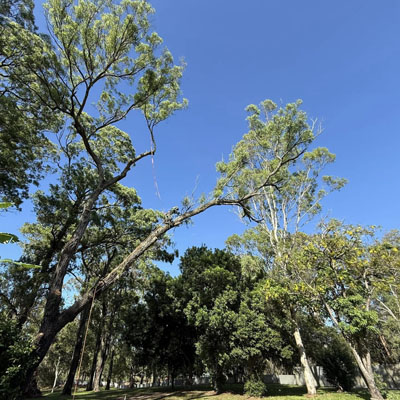
Is It Normal for a Tree to Sway in Strong Wind - Canopy sway

Why Some Trees Move More Than Others

The amount of visible movement can vary significantly between trees exposed to the same wind. Taller trees often show more movement through the upper trunk, while species with naturally flexible wood may bend more noticeably than trees with a stiffer structure. Canopy size also affects how much wind the tree catches and how that force is distributed through the branches and trunk.

Position makes a difference as well. Trees growing in open areas or along exposed boundaries may experience stronger wind loads than those sheltered by surrounding vegetation or buildings, while the removal of nearby trees can suddenly increase exposure. A tree swaying a lot is therefore not automatically unsafe, particularly if the movement is consistent with the tree’s normal structure and remains concentrated through the trunk and canopy.

Is It Normal for a Tree to Sway in Strong Wind - heavy wind

What to Check Once the Wind Drops

Once conditions settle, it is worth checking whether anything around the tree has changed rather than judging it only by how much it moved during the wind. The most useful signs are usually fresh changes that were not there beforehand.

  • Compare the tree’s lean with how it looked before the windy conditions.
  • Check the soil around the base for fresh cracking, lifting or areas that appear disturbed.
  • Look for newly exposed roots or roots that appear to have shifted.
  • Check for broken or hanging branches that may still be caught in the canopy.
  • Look over the trunk and major unions for fresh splits or visible separation.
  • Watch for sudden canopy changes, including large gaps or sections that now sit differently.
  • Keep clear of damaged areas if there are suspended branches or signs of instability.
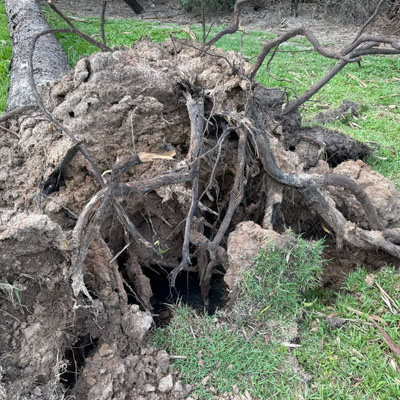
Is It Normal for a Tree to Sway in Strong Wind - Fallen tree

A quick visual check can help identify whether the tree has simply flexed through the wind or whether the event has caused a noticeable change. If there is fresh movement at the base, a changed lean or structural damage, it is worth having the tree assessed before further strong winds arrive.

Does a Swaying Tree Need Pruning?

Not necessarily. A tree that moves noticeably in strong wind does not automatically need its canopy reduced, especially if the movement is normal for its size, species and structure. Removing too much foliage can place additional stress on the tree and may change how wind moves through the canopy rather than solving the underlying concern.

Pruning may be useful where there are damaged limbs, deadwood or overextended branches placing additional load on parts of the canopy. In those cases, carefully planned tree pruning can improve structure without stripping away healthy growth unnecessarily. If the concern is movement at the base, a changing lean or possible root instability, pruning alone may not address the actual problem.

Is It Normal for a Tree to Sway in Strong Wind - Tree pruning

When Tree Movement Should Be Assessed

If movement at the base is new, the tree has developed a greater lean or fresh cracks have appeared around the trunk or soil, a tree health assessment can check the roots, trunk and major structural points more closely. This is particularly useful when the tree’s movement appears different from previous windy conditions or there are several warning signs occurring together.

Where a written record of the tree’s condition is needed, an arborist report can document the findings and recommended management. This may be useful where there are ongoing safety concerns, property management requirements or other situations where a formal assessment is required.

Is It Normal for a Tree to Sway in Strong Wind - Crack in grass due to swaying tree

Concerned About a Tree Moving in Strong Wind?

If a tree appears to be moving differently than usual, O’Brien’s Tree Care can assess the roots, trunk, canopy and overall structure to check for signs of instability or recent damage. We can advise whether the tree simply needs monitoring, selective pruning or a more detailed tree health assessment.

To arrange an onsite assessment, call 07 5497 3116 or contact us online.

FAQ: Tree Swaying in Strong Wind

Yes. Some movement through the trunk is normal because trees are built to flex under wind load. The concern is greater when movement is visible at ground level or is accompanied by fresh cracking, soil movement or a changing lean.

There is no single amount that is considered normal for every tree. Height, species, canopy size and exposure all affect how much movement is visible, so it is more useful to look for changes from the tree’s usual movement.

The root system should generally remain well anchored while the trunk and canopy flex above ground. Visible root plate movement, lifting soil or roots shifting with the trunk can indicate that the base of the tree needs closer assessment.

Yes. Saturated or softened soil can reduce how firmly roots are held, particularly if the tree already has root damage, restricted rooting space or other structural issues.

Not automatically. Selective pruning may help where there are damaged, dead or overextended branches, but unnecessary canopy reduction can place the tree under additional stress and may not address problems at the roots or trunk.

An assessment is worthwhile if the movement is new, the base is shifting, the tree has developed a greater lean or fresh cracks have appeared in the trunk or surrounding soil. A qualified arborist can check whether the movement is within the tree’s normal range or linked to a structural problem.