What the Colour of Your Tree’s Leaves Can Tell You

Leaves often show the first visible signs that a tree is responding to stress. A change from strong, consistent colour to yellow, pale, dull, or patchy growth can indicate that the tree is no longer receiving what it needs evenly across the canopy. These changes may appear before thinning foliage, branch dieback, or other more obvious symptoms.

Tree leaves changing colour does not always mean the tree is in serious decline. Seasonal shifts, new growth, heat, moisture changes, and short-term stress can all affect leaf colour. The key is whether the change is isolated and temporary or whether it keeps returning, spreading, or appearing with weaker growth.
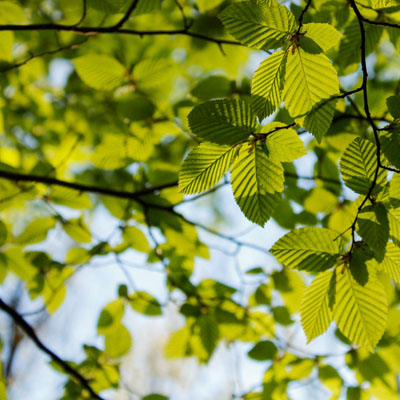
What Healthy Leaf Colour Usually Looks Like

Healthy leaf colour varies between species, seasons, and stages of growth. Some trees naturally produce lighter new leaves before they deepen in colour, while others maintain a softer green throughout the year. The main thing to look for is consistency with what is normal for that tree.

A healthy canopy usually shows balanced colour across similar areas of growth. Minor variation between old and new leaves is expected, but large patches of yellowing, fading, or dull foliage can suggest the tree is responding unevenly. Comparing current growth with previous seasons often gives a clearer picture than judging one leaf or branch on its own.

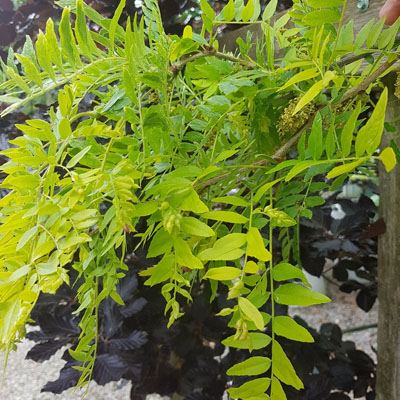
What the Colour of Your Tree’s Leaves Can Tell You - Healthy leaf colour

Common Leaf Colour Changes and What They May Indicate

Different colour changes can point to different types of stress, but they should always be read alongside the tree’s overall condition. One yellow branch means something different from a whole canopy losing colour. The pattern, timing, and spread of the change are often more useful than the colour alone.

  • Yellowing leaves can appear when the tree is affected by moisture stress, root disturbance, poor drainage, nutrient access issues, or seasonal leaf drop. If yellowing spreads through the canopy or returns repeatedly, it is worth closer inspection.
  • Pale or washed-out leaves may suggest reduced vigour, especially when new growth is smaller or weaker than usual. This can happen when the tree is struggling to draw enough water or nutrients through the root system.
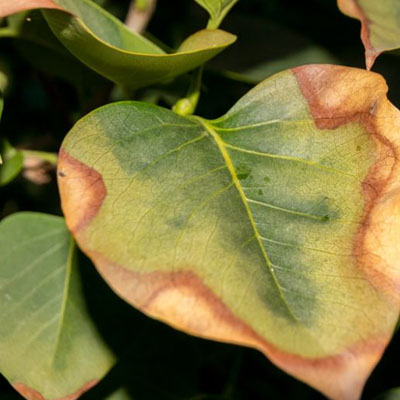
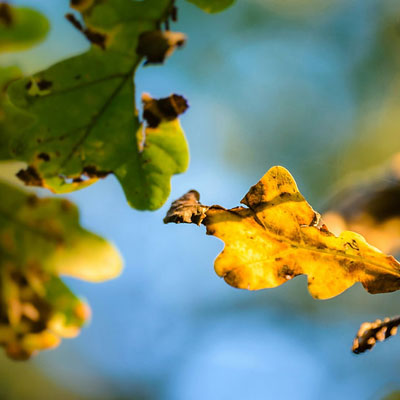
  • Brown edges or scorched tips are often linked with heat, dry conditions, wind exposure, or moisture loss. These symptoms are more common during hot periods, but persistent browning may suggest the tree is under ongoing stress.
  • Patchy colour across the canopy can indicate that some branches or root zones are performing differently from others. This is more concerning when one side of the tree looks weaker, duller, or more yellow than the rest.
  • Dull or grey-green foliage can be a subtle sign that the tree has lost vigour. It may not look dramatically unhealthy, but the canopy can appear flat, tired, or less vibrant than previous seasons.
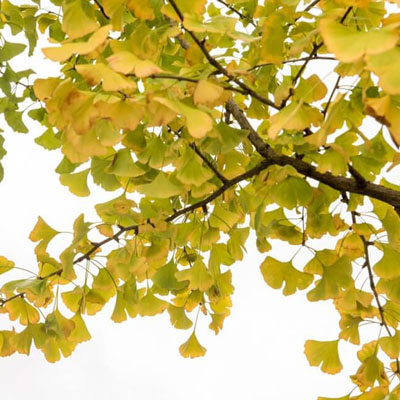
What the Colour of Your Tree’s Leaves Can Tell You - Tree with yellow leaves

Leaf colour changes are not always enough to diagnose the exact cause, but they can show where the tree is starting to respond. When the same symptoms continue or combine with thinning, dieback, or weak new growth, the issue is more likely to need assessment.

Why Leaf Colour Can Change Before Other Symptoms Appear

Leaf colour can shift before the tree shows more obvious signs of decline because leaves respond quickly to changes in water movement, root function, heat, and nutrient availability. If the tree is under pressure, the canopy may lose colour or appear less vibrant before branches begin to thin or die back. This makes leaf colour a useful early warning sign, especially when the change is widespread or uneven.

The cause is not always in the leaves themselves. A tree with pale, yellow, or dull foliage may be responding to compacted soil, damaged roots, poor drainage, dry conditions, pest activity, or stress from nearby work. Treating the leaves alone will not fix the issue if the underlying problem is affecting the tree’s ability to support healthy growth.

What the Colour of Your Tree’s Leaves Can Tell You - Scorched leaf tip

When Leaf Colour Changes Are Seasonal or Temporary

Not every change in leaf colour points to a serious tree health issue. Some colour shifts are part of normal growth cycles, especially when trees are producing new leaves, shedding older foliage, or responding to short periods of heat or dry weather. The timing of the change can help separate normal seasonal behaviour from a developing problem.

  • New growth can appear lighter at first, especially on some evergreen and ornamental trees. These leaves often deepen in colour as they mature.
  • Older leaves may yellow before dropping, particularly during seasonal change or after a period of stress. This can be normal if the rest of the canopy remains strong.
  • Hot or dry weather can temporarily dull foliage, especially on exposed trees or those growing in shallow, compacted, or poor-draining soil.
  • Moisture changes can affect colour quickly, with leaves yellowing or browning after heavy rain, dry spells, or sudden shifts between the two.
  • Recent pruning, storm damage, or nearby disturbance can trigger short-term stress, and the canopy may take time to recover its usual colour.
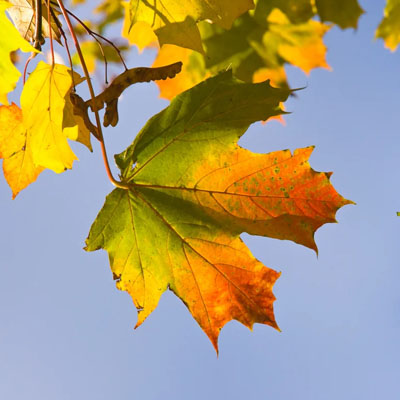
What the Colour of Your Tree’s Leaves Can Tell You - Scorched leaves

Seasonal or temporary colour changes usually settle without spreading through the whole canopy. If the colour continues to fade, returns repeatedly, or appears with weak growth, thinning, or dieback, it is more likely to need closer attention by a qualified arborist.

Signs Leaf Colour Changes Point to a Bigger Issue

Leaf colour changes become more concerning when they appear with other signs of decline. A tree may cope with short-term yellowing or dull foliage, but repeated colour loss, weak new growth, or uneven canopy response can suggest the tree is struggling to recover. The longer the change continues, the more useful it becomes as part of a broader health picture.

One-sided colour changes can also be a warning sign. If one section of the canopy becomes pale, yellow, or dull while the rest of the tree remains normal, the issue may be linked to a particular limb, root zone, or area of stress. When colour changes are combined with thinning foliage, dead branch tips, cracking, fungal growth, or sudden leaf drop, the tree should be assessed rather than treated with guesswork.

What the Colour of Your Tree’s Leaves Can Tell You - Dull foliage

What to Do When Tree Leaves Look Weak or Discoloured

When tree leaves look weak, pale, or discoloured, it is best to look at the pattern before taking action. A small seasonal change may not need intervention, but colour loss that spreads, repeats, or appears with thinning growth can point to a deeper issue. Checking whether the change affects new growth, older leaves, one branch, or the whole canopy gives a clearer starting point.

  • Monitor when the change appears so you can tell whether it follows heat, heavy rain, dry weather, pruning, or seasonal growth.
  • Compare old and new growth because weak new leaves can suggest the tree is struggling to support fresh canopy development.
  • Check the surrounding ground conditions for compacted soil, recent excavation, drainage changes, mulch buildup, or root disturbance.
  • Avoid guessing with fertiliser because yellow or pale leaves are not always caused by nutrient deficiency.
  • Arrange a tree health assessment if colour changes continue, spread, or appear with dieback, cracking, fungal growth, or sudden leaf drop.
What the Colour of Your Tree’s Leaves Can Tell You - Young tree

Leaf colour is only one part of the tree’s health picture, but it can help identify when something has changed. Acting early gives you a better chance of managing the issue before decline becomes more advanced.

Concerned About Changes in Your Tree’s Leaves?

If your tree’s leaves are turning yellow, looking pale, or losing colour across the canopy, it may be worth having the tree assessed before the problem becomes more advanced. O’Brien’s Tree Care can inspect foliage changes, canopy condition, root stress, and other visible signs that may be affecting tree health. To arrange an assessment, contact our team on 07 5497 3116 or email info@obrienstreecare.com.au.

FAQ: The Colour of Your Tree’s Leafs

Yellow leaves can be caused by several factors, including moisture stress, root disturbance, poor drainage, seasonal leaf drop, or reduced nutrient availability. The pattern of yellowing across the canopy often provides more useful information than the colour change alone.

No. Pale foliage can sometimes be linked to nutrient availability, but it can also result from root problems, compacted soil, moisture imbalance, or other forms of stress. Applying fertiliser without identifying the cause may not improve the tree’s condition.

Yes. Extended heat can affect moisture movement through the tree and cause leaves to appear dull, faded, scorched, or less vigorous than usual. Trees already under stress often show these changes first.

Dull or grey-green foliage can be an early sign of reduced vigour. The tree may still be producing leaves, but changes in moisture, root function, or growing conditions can affect overall canopy quality.

Not necessarily. Yellowing leaves do not automatically indicate a fertiliser issue. Looking at soil conditions, root health, moisture levels, and other symptoms first provides a more reliable way to identify the cause.

Assessment is worth considering when colour changes continue across multiple seasons, spread through the canopy, affect new growth, or appear alongside thinning foliage, branch tip dieback, leaf drop, or other signs of decline.