Dense Canopies and Poor Airflow: A Hidden Cause of Fungal Issues

In warm, humid conditions, the air movement through a tree plays a major role in how quickly moisture dries after rain, dew, or irrigation. When branches and foliage grow too tightly together, that drying process slows down and damp surfaces stay wet for longer periods. This creates a quiet shift in the tree’s internal environment that many property owners do not notice until visible damage begins to appear.

A dense tree canopy traps moisture, limits airflow, and creates shaded pockets where fungal spores can activate and spread with ease. These conditions allow surface fungi and leaf-based infections to take hold far more easily than in open, well-ventilated growth. Over time, repeated moisture retention inside the canopy can place ongoing pressure on the tree’s health and structure.
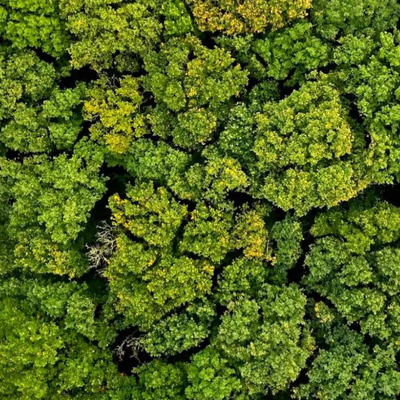
How a Dense Tree Canopy Restricts Airflow

Air is meant to move freely through the outer and inner layers of a tree’s canopy, allowing moisture on leaves and bark to dry naturally after rain or overnight condensation. When growth becomes crowded, that natural airflow is reduced as overlapping branches and compacted foliage start blocking wind movement. Instead of circulating through the canopy, air becomes trapped in pockets where moisture lingers for extended periods.

As the canopy thickens, light penetration also drops, which further slows evaporation. Shaded, still areas become the last places to dry after wet weather, providing the perfect environment for surface moisture to persist. Over time, this restricted airflow changes the balance inside the tree, shifting it from a self-drying structure into one that consistently retains dampness.

Dense Canopies and Poor Airflow: A Hidden Cause of Fungal Issues

Why Poor Air Movement Creates Ideal Conditions for Fungal Growth

Fungi rely on moisture to activate, spread, and establish on leaf and bark surfaces. When airflow is restricted inside a canopy, damp conditions remain in place far longer than they should. This creates a steady environment for fungal pressure to build rather than clearing naturally between wet periods.

  • Moisture stays on leaves and bark for extended periods, allowing fungal spores time to activate and penetrate surface tissue. This prolonged dampness increases the likelihood of repeated infection cycles.
  • Shaded inner canopy areas rarely dry at the same rate as exposed outer foliage. These shaded zones become safe pockets where fungal growth can persist even during dry weather.
  • Poor airflow slows evaporation after rain, dew, or irrigation, extending the window where fungal organisms can spread across connected leaves and branches.
  • Condensation can form overnight inside dense canopies and remain into the following day. This keeps surfaces damp even without rainfall, maintaining steady fungal pressure.
  • Overlapping foliage allows infected leaves to remain in constant contact with healthy ones. This direct contact speeds up the spread through the canopy.
Dense Canopies and Poor Airflow: A Hidden Cause of Fungal Issues

Once these moist conditions become normal inside the canopy, fungal problems often shift from occasional to ongoing. Without improved airflow, treatments and seasonal changes alone are often not enough to break the cycle.

Common Fungal Problems Linked to Overcrowded Canopies

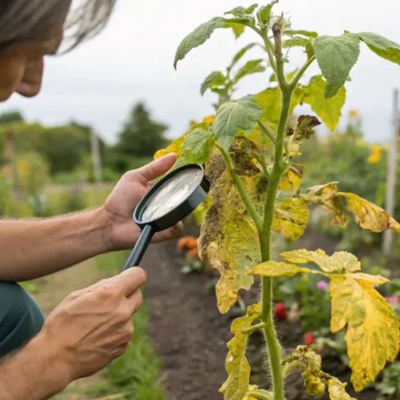
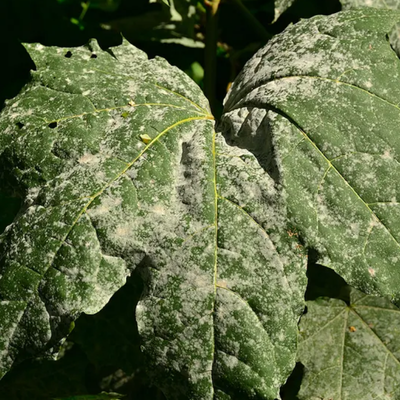
When airflow is restricted and moisture remains trapped within the canopy, a range of fungal problems can begin to take hold. Leaf spot diseases are among the most common, appearing as dark patches that spread across the foliage and weaken the tree’s ability to photosynthesise effectively. Powdery mildew and other surface fungi can also develop in these damp, shaded conditions, coating leaves and young growth and slowing healthy development.

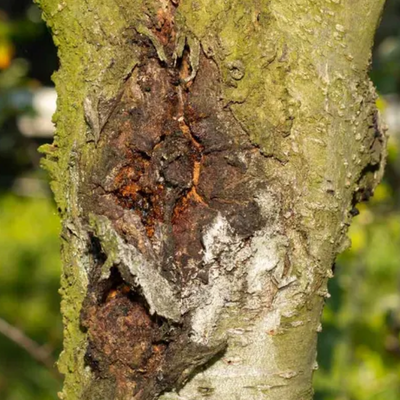
Over time, ongoing fungal pressure can lead to premature leaf drop, thinning foliage, and visible canopy decline. Bark surface fungi may begin appearing along congested branches, particularly in areas that rarely dry out after rain. As these issues progress, the tree can start to show signs of canopy dieback from the inside outward, often long before larger limbs show any obvious failure.

Dense Canopies and Poor Airflow: A Hidden Cause of Fungal Issues

Signs That Canopy Density Is Starting to Cause Disease Pressure

As a canopy becomes more crowded, early signs of fungal stress often appear inside the tree before obvious damage shows on the outer growth. These changes can be subtle at first and are often missed until the problem becomes well established. Watching for these indicators helps catch disease pressure before it spreads widely.

  • Repeating leaf spotting across multiple seasons is often one of the earliest warning signs. When the same pattern of dark marks appears year after year, it usually points to ongoing moisture retention inside the canopy.
  • Black residue on leaves or surrounding surfaces can signal surface fungal activity. This residue often develops where airflow is weakest and moisture remains trapped for long periods.
  • Premature leaf drop during the growing season is another indicator that the canopy is under stress. Trees affected by fungal pressure often shed infected foliage early in an attempt to limit spread.
  • Browning and thinning within the inner canopy while the outer growth still looks healthy is a common pattern. This inward-out decline is closely linked to poor airflow and persistent dampness.
  • Leaves and small branches that stay wet for long periods after rainfall suggest evaporation is being restricted. When moisture lingers well beyond normal drying time, fungal pressure increases rapidly.
Dense Canopies and Poor Airflow: A Hidden Cause of Fungal Issues

These signs often progress gradually, which can make them easy to overlook at first. Once several appear together, it usually points to canopy density becoming a contributing factor to disease development.

How We Manage Canopy Density to Improve Airflow

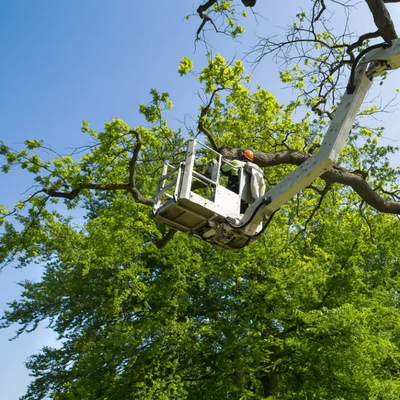
Managing canopy density starts with improving how air and light move through the tree rather than simply reducing its size. By selectively thinning congested growth, we create clear pathways for airflow to pass through the inner canopy. This allows moisture to dry more quickly and reduces the damp conditions that encourage fungal activity.

Each tree responds differently to thinning based on its species, age, and existing structure. Our approach is focused on maintaining strength and balance while easing pressure within the canopy, rather than stressing the tree through excessive removal. Over time, improved airflow supports healthier leaf growth, reduces repeat disease pressure, and promotes a more stable canopy structure.

Dense Canopies and Poor Airflow: A Hidden Cause of Fungal Issues

Why Fungal Issues Often Return Without Canopy Correction

Surface-level treatment can reduce visible fungal growth, but it does not change the damp internal conditions that allow fungal pressure to rebuild. When airflow inside the canopy remains restricted, moisture continues to collect in the same shaded zones. This creates a cycle where fungal issues settle temporarily, then return under the same environmental stress.

  • Fungal spores can remain active within damp inner-canopy pockets even after visible growth fades. When conditions stay moist, reinfection can occur without any new outside source.
  • Treating only the symptoms on leaves does not address the trapped moisture driving the problem. Without improved airflow, treated surfaces often become reinfected within the same season.
  • Dense foliage keeps shaded bark and branch junctions wet for long periods. These sheltered areas allow fungal organisms to persist even through warmer, drier weather.
  • Repeated seasonal outbreaks weaken the tree over time. Ongoing fungal pressure reduces energy reserves and increases vulnerability to secondary stress such as insect activity or branch decline.
Dense Canopies and Poor Airflow: A Hidden Cause of Fungal Issues

Without engaging a qualified arborist to carry out changes to the canopy structure, fungal problems are likely to follow the same pattern each year. Correcting density helps break that cycle by restoring the tree’s natural ability to dry and regulate moisture.

Need Help With a Dense Tree Canopy?

If your tree is holding too much moisture, showing signs of fungal growth, or struggling to dry out after rain, our team can assess the canopy and provide clear guidance on the safest way forward. We focus on improving airflow while maintaining the strength and shape of your tree. For expert advice, contact O’Brien’s Tree Care on 07 5497 3116, info@obrienstreecare.com.au or  click here to contact us online.

FAQ: Dense Canopies and Poor Airflow

Improving airflow can significantly reduce the damp conditions that allow fungi to thrive. When leaves and bark dry more quickly, fungal spores have less opportunity to activate and spread. While airflow alone may not reverse advanced disease, it plays a critical role in preventing repeat outbreaks.

Canopy thinning can still be carried out safely during humid periods when done correctly. In fact, improving airflow during these conditions often helps the tree dry faster after rainfall. The key is ensuring that thinning is balanced and does not over-stress the tree.

Most trees benefit from periodic reassessment every few years, depending on species and growth rate. Faster-growing trees may require more regular monitoring to prevent congestion from rebuilding. Ongoing checks help maintain healthy airflow and reduce long-term disease pressure.

The inner canopy receives the least airflow and sunlight, which allows moisture to linger longer than on the outer growth. These damp, shaded conditions allow fungal organisms to establish before visible symptoms appear on outer leaves. By the time surface signs are seen, the issue is often already well developed inside.

Any tree that has started leaning near structures, driveways, play areas, or power lines should be treated as a priority. Even a partial failure in these areas can cause damage or block access. The safest approach is to keep people and vehicles clear and arrange a prompt assessment so options for pruning, stabilising, or removing the tree can be di Not always. Some surface fungal issues can be managed when caught early, especially if airflow and moisture retention are addressed. Long-term, untreated fungal pressure can weaken the tree and lead to decline, which is why early intervention is important.scussed.

Surface treatments alone rarely solve the underlying cause if airflow remains restricted. While they may reduce visible symptoms temporarily, fungal issues often return under the same damp internal conditions. Improving canopy structure is what allows lasting moisture control.