Heatwaves and Trees: Why Damage Often Appears Weeks Later

During extreme heat, many trees appear to cope surprisingly well, holding their leaves and structure even as temperatures climb. Once the heatwave passes, it’s common to assume the tree has come through unharmed, especially if the canopy still looks full. In reality, the most serious impacts often occur internally and are not immediately visible.

Heatwave damage in trees can take weeks to surface as stressed roots, depleted energy reserves, and damaged growth tissue begin to affect the canopy. This delayed response is why trees may start dropping leaves, thinning out, or showing dieback long after temperatures return to normal. By the time symptoms appear, the damage has often already been done during the hottest period.
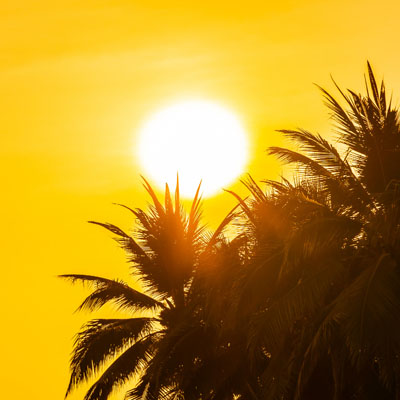
Surviving the Heatwave, Struggling to Recover

Trees are built to tolerate short periods of extreme conditions by shifting energy away from growth and into basic survival. During a heatwave, many trees close leaf pores, slow internal processes, and rely on stored energy to keep vital systems functioning. This allows them to remain upright and green even while internal stress is building.

The problem often begins once the heat subsides and the tree tries to return to normal growth. If energy reserves have been depleted or internal tissues have been damaged, recovery can stall or fail entirely. At that point, the tree may no longer have the capacity to support healthy leaves and branches, leading to delayed decline that only becomes visible weeks later.

Heatwaves and Trees: Why Damage Often Appears Weeks Later

Hidden Damage Caused During Extreme Heat

Extreme heat can affect parts of a tree that are not immediately visible from the outside. While the canopy may appear unchanged during a heatwave, internal systems can be pushed beyond their limits. This hidden damage is often what drives delayed decline once conditions return to normal.

  • Root zone overheating can occur when soil temperatures rise well above safe levels. Fine roots near the surface are especially vulnerable and may die back without any immediate canopy response.
  • Loss of fine feeder roots reduces the tree’s ability to absorb water and nutrients after the heatwave ends. Even with adequate watering, damaged roots may no longer function effectively.
  • Vascular stress can develop when internal water transport systems are strained for extended periods. This stress may restrict movement between roots and canopy once growth resumes.
  • Cambium tissue damage can occur beneath the bark during prolonged heat exposure. Injury in this layer interferes with the tree’s ability to produce new growth and repair itself.
  • Bud and growth tissue damage often goes unnoticed until the next growth cycle. When buds fail to activate or produce weak growth, it reflects damage sustained weeks earlier.
  • Soil moisture volatility during heatwaves can lead to rapid drying followed by uneven rewetting. These fluctuations place additional stress on already weakened root systems.
Heatwaves and Trees: Why Damage Often Appears Weeks Later

This type of internal damage explains why trees can appear unaffected during extreme heat, then begin declining later. By the time symptoms surface, the impact has usually been developing beneath the surface for some time.

Delayed Symptoms That Appear After the Heat Passes

When temperatures return to normal, many trees attempt to restart normal water movement and growth. This is often the point where hidden heat damage begins to surface, as roots and internal tissues that were weakened during the heatwave fail to keep up with renewed demand. Because the canopy may have looked stable during the hottest period, these changes can feel sudden and unexpected.

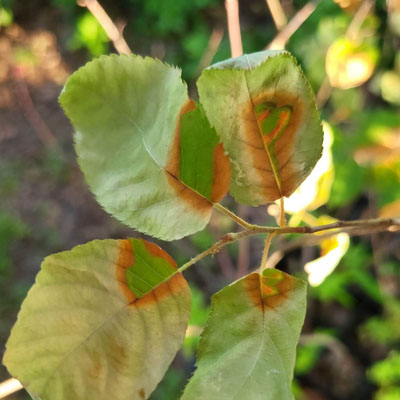
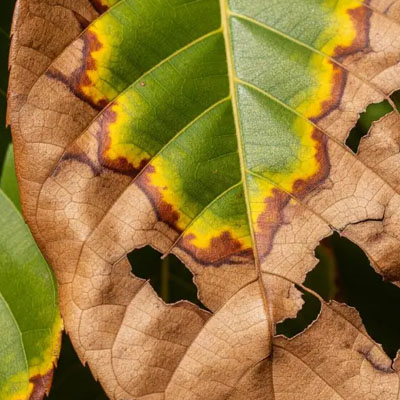
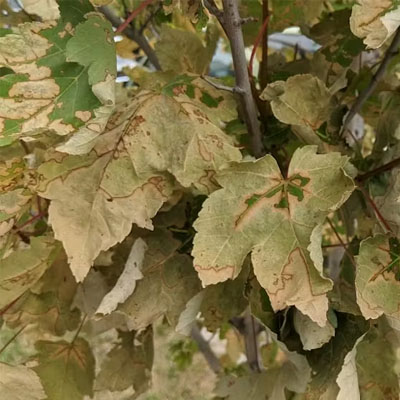
One of the most common delayed signs is leaf drop that begins weeks after the heat has ended. Trees may shed otherwise green leaves, thin out unevenly, or show dieback in specific sections of the canopy rather than across the whole tree. New growth can emerge weak, sparse, or patchy, while some buds may fail to open altogether, revealing damage that occurred earlier but only becomes visible once growth resumes.

Heatwaves and Trees: Why Damage Often Appears Weeks Later

In some cases, trees appear to recover briefly before declining again. This false recovery happens when limited energy reserves support short-term regrowth, only for the tree to stall once those reserves are exhausted. By this stage, internal damage to roots or transport tissue often limits the tree’s ability to stabilise, causing decline to progress even under milder conditions.

These delayed symptoms are why heatwave damage is often misdiagnosed. Without the timing context, the decline may be blamed on pests, watering mistakes, or seasonal change, when the underlying cause traces back to stress sustained during extreme heat weeks earlier.

Why Watering After a Heatwave Doesn’t Always Fix the Problem

Once signs of decline appear, watering is often the first response, but it does not always resolve heat-related damage. By the time symptoms show, the issue is often no longer a lack of water, but the tree’s reduced ability to absorb and move it. Understanding why watering alone may fall short helps avoid unintentionally adding more stress.

  • Damaged root systems may no longer absorb water effectively, even when soil moisture levels are adequate. Fine feeder roots are often the first to fail during extreme heat, limiting recovery afterward.
  • Internal transport disruption can prevent water from reaching the canopy efficiently. When vascular tissue has been stressed, moisture movement may remain restricted despite regular watering.
  • Overwatering risk increases when watering continues without considering root damage. Saturated soil can further reduce oxygen around weakened roots, slowing recovery.
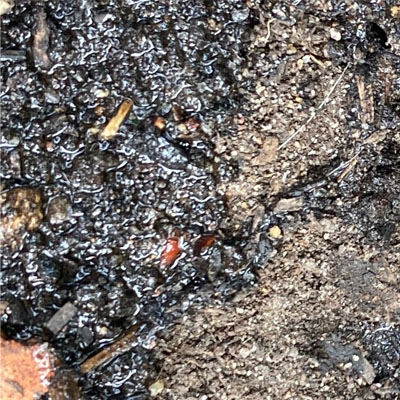
  • Hydrophobic soil conditions sometimes develop after prolonged heat, causing water to run off rather than soak in evenly. This creates pockets of dryness even when the surface appears wet.
  • Energy depletion limits how well the tree can respond, regardless of water availability. Without sufficient reserves, the tree may struggle to convert moisture into healthy growth.
Heatwaves and Trees: Why Damage Often Appears Weeks Later

Water remains important, but recovery depends on more than simply increasing supply. Identifying how heat has affected the roots and internal systems is key to supporting the tree through delayed decline.

Which Trees Are Most Vulnerable to Delayed Heat Damage

Not all trees respond to heatwaves in the same way, and some are more likely to show delayed decline once temperatures settle. Younger trees with developing root systems are particularly vulnerable because they have fewer reserves to draw on during recovery. Trees that were already under stress before the heatwave often struggle the most, even if the stress was not obvious at the time.

Shallow-rooted species and trees growing in compacted or restricted soils are also at higher risk. When roots are confined near the surface, they are exposed to higher soil temperatures and dry out more quickly during extreme heat. Trees that have recently experienced construction activity, pruning, or soil disturbance may show delayed symptoms as their ability to recover is already reduced.

Heatwaves and Trees: Why Damage Often Appears Weeks Later

What to Do When Heatwave Damage Shows Up Weeks Later

When decline appears after a heatwave, the focus should shift from quick fixes to careful assessment and support. Rushing changes can add pressure to an already stressed tree, while a measured approach helps stabilise recovery. These steps help reduce further damage while the tree adjusts.

  • Avoid drastic pruning straight away, as removing too much canopy can increase stress when the tree is already low on energy. Dead or clearly failed sections can be addressed later once stability is better understood.
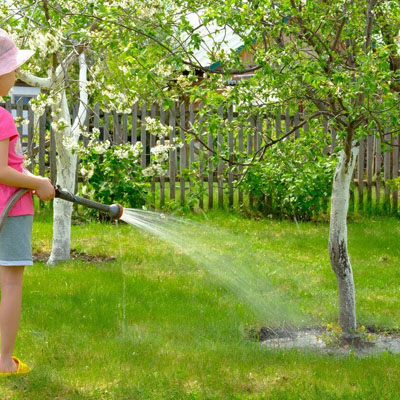
  • Maintain consistent, moderate watering rather than heavy soaking. Even moisture supports remaining roots without overwhelming damaged systems.
  • Check soil conditions to confirm water is soaking in evenly and not running off or pooling. Gentle soil improvement can help restore balance around the root zone.
  • Monitor changes over several weeks rather than reacting to a single symptom. Patterns of decline or stabilisation provide clearer insight than isolated signs.
  • Limit additional stress such as construction activity, vehicle traffic, or root disturbance while the tree is recovering.
Heatwaves and Trees: Why Damage Often Appears Weeks Later

Taking a steady, informed approach gives the tree the best chance to stabilise after delayed heat damage. Early observation and restraint often prevent further decline during the recovery period.

Concerned About Heatwave Damage to Your Trees?

If your tree looked fine during extreme heat but is now dropping leaves, thinning out, or showing dieback, delayed heat damage may be the cause. Early assessment helps determine whether the tree is stabilising or continuing to decline. To arrange advice or an onsite inspection, contact O’Brien’s Tree Care on 07 5497 3116 or info@obrienstreecare.com.au.

FAQ: Heatwave Damage in Trees

During extreme heat, trees shift energy into survival rather than growth. Internal damage to roots and transport tissue can go unnoticed until the tree attempts to recover. Once normal conditions return, these weakened systems may fail to support the canopy, causing delayed symptoms.

Some trees can recover if damage is mild and enough healthy root structure remains. Recovery often depends on soil conditions, energy reserves, and whether additional stress is avoided. Severe internal damage can limit recovery even with good care.

Not always. Some leaf shedding is a normal response to reduce water demand. Ongoing leaf drop, uneven thinning, or branch dieback weeks later usually suggests deeper damage rather than a temporary adjustment.

Delayed symptoms often emerge two to six weeks after extreme heat, though some effects may take longer. The timing depends on how severe the heat was and how stressed the tree already was. This delay is what often makes diagnosis difficult.

Watering helps support recovery, but it cannot repair damaged roots or internal tissue. Overwatering can actually slow recovery by reducing oxygen in the soil. Balanced moisture and soil monitoring are more effective than heavy watering alone.

Assessment is recommended when decline continues, worsens, or appears uneven across the canopy. Early evaluation helps determine whether the tree is stabilising or entering progressive decline. Timely advice can prevent further stress or safety issues.