Hollow Tree Trunks: What They Mean for Stability

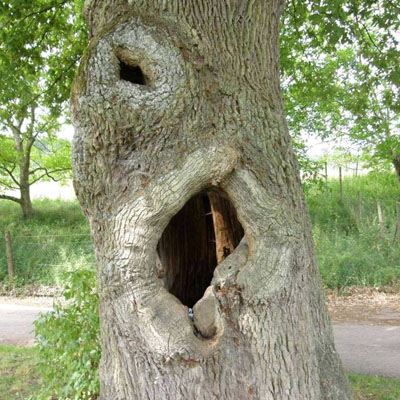
A hollow opening in a tree trunk can be one of the more confronting changes to notice in a garden or near a home. Cavities, cracks, or missing sections of wood often raise immediate concern about whether the tree is still safe. The presence of a hollow can make the trunk appear weakened, even when the tree continues to grow and carry foliage.

A hollow tree trunk does not automatically mean the tree is unstable. Many trees develop internal cavities over time while maintaining enough structural strength to remain standing. The level of risk depends on how much sound wood remains, how the tree is carrying its load, and whether the decay is progressing.
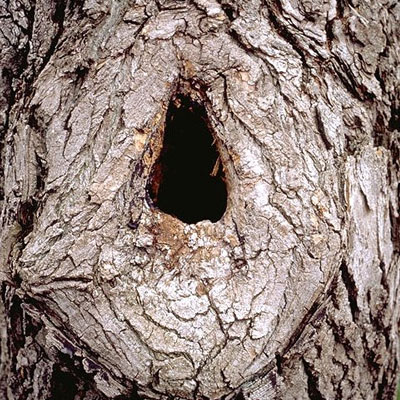
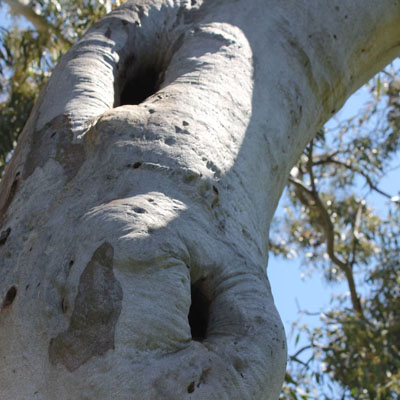
How Tree Trunks Become Hollow

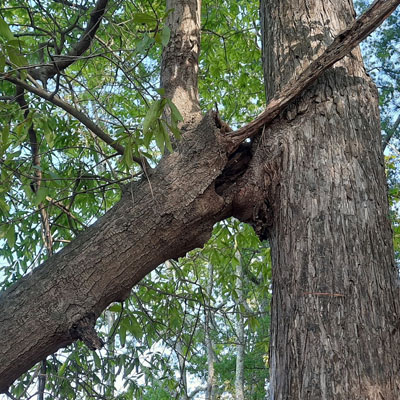
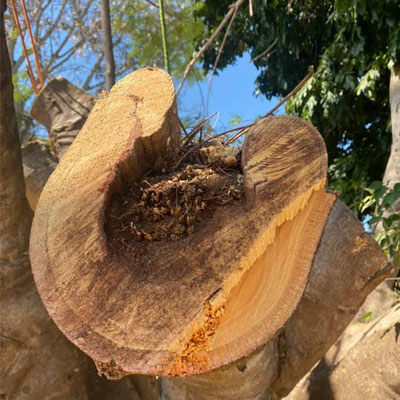
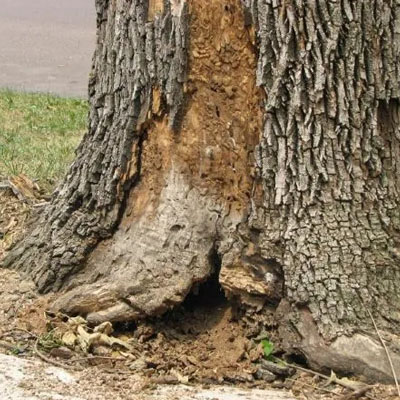
Hollows develop when the internal wood of a tree begins to break down over time. This process is usually driven by fungi that enter through wounds such as broken branches, cracks, or past damage to the bark. Once inside, the fungi feed on the non-living wood, gradually creating a cavity within the trunk.

The outer layer of the tree, which carries water and nutrients, can remain intact while decay progresses internally. This is why a tree may continue to produce leaves and appear healthy even as a hollow forms inside. The size and shape of the cavity depend on how long the decay has been active and how the tree has responded to it.

How Tree Trunks Become Hollow

When a Hollow Trunk Is Still Structurally Sound

A hollow does not automatically mean a tree has lost its strength. Many trees rely on the outer layers of wood to carry load, and as long as enough sound material remains, the trunk can continue to support the canopy. Stability depends more on the thickness and condition of this outer shell than on whether the centre is solid.

  • Adequate wall thickness around the cavity allows the trunk to distribute load effectively, even with internal decay.
  • Even canopy balance helps prevent concentrated stress on one side of the trunk.
  • No change in lean or alignment suggests the structural support system remains consistent.
  • Healthy foliage and normal growth indicate the tree is still functioning effectively.
  • No visible cracking or splitting around the hollow reduces the likelihood of structural failure.
When a Hollow Trunk Is Still Structurally Sound

When these conditions are present, a hollow trunk can remain stable for extended periods without immediate risk.

When a Hollow Trunk Becomes a Structural Risk

A hollow becomes a concern when the remaining outer wood is no longer sufficient to support the weight of the tree. As decay progresses, the structural wall can thin unevenly, reducing the trunk’s ability to distribute load. This increases the likelihood of failure, particularly under wind or when the canopy is unbalanced.

The position of the hollow also affects risk. Cavities that extend deeply into the trunk, open widely, or are located on one side can create uneven stress. When combined with factors such as lean, heavy limbs, or exposure to strong winds, the structural capacity of the tree may be compromised.

When a Hollow Trunk Becomes a Structural Risk

Signs a Hollow Tree May Be Unstable

A hollow trunk becomes more concerning when it is accompanied by changes in structure or growth. These signs help indicate whether the remaining wood is struggling to carry the load of the tree. Looking at the tree as a whole provides a clearer picture than focusing on the cavity alone.

  • Cracking or splitting around the hollow, particularly along the trunk or at the edges of the cavity.
  • A developing or increasing lean, especially if it has changed over time.
  • Soil movement or lifting near the base, suggesting reduced anchoring strength.
  • Thinning canopy or branch dieback, indicating reduced vitality.
  • Large or expanding openings in the trunk, where decay appears to be progressing.

When these signs appear together, the hollow may be affecting the tree’s structural integrity rather than remaining a contained cavity.

Signs a Hollow Tree May Be Unstable

Why Some Hollow Trees Remain Standing for Years

Trees are able to maintain strength through the outer layers of the trunk rather than the centre. This outer shell carries most of the structural load, allowing the tree to remain stable even when internal wood has decayed. As long as this layer remains thick and continuous, the trunk can continue to support the canopy.

Over time, trees can also adapt to internal decay by redistributing growth and strengthening areas that carry more load. This gradual adjustment allows some hollow trees to remain standing for many years without visible instability. The presence of a hollow alone does not determine how long a tree will remain stable.

Why Some Hollow Trees Remain Standing for Years

What to Do If a Tree Has a Hollow Trunk

A hollow trunk does not require immediate action, but it should not be ignored. The focus is on observing changes over time and identifying whether the cavity is affecting the tree’s structure. A measured approach helps avoid unnecessary removal while still addressing potential risk.

  • Monitor the size and shape of the hollow to see if it is expanding or changing over time.
  • Watch for structural changes such as lean, cracking, or movement at the base.
  • Avoid attempting to fill or seal the cavity, as this can trap moisture and accelerate decay.
  • Consider the tree’s location, especially if it is near buildings, walkways, or frequently used areas.
  • Arrange a tree assessment if changes are observed or if the hollow appears large or uneven.

Ongoing observation helps determine whether the hollow remains a contained feature or begins to affect the tree’s stability.

What to Do If a Tree Has a Hollow Trunk

Concerned About a Hollow Tree on Your Property?

If a tree has developed a hollow and you’re unsure whether it affects stability, a closer assessment can determine how much sound structure remains and whether the tree is carrying its load safely. Monitoring changes early helps avoid unnecessary removal while addressing potential risk. To arrange advice or an onsite inspection, contact O’Brien’s Tree Care on 07 5497 3116 or info@obrienstreecare.com.au.

FAQ: Hollow Tree Trunks & Stability

Not always. Many trees remain stable with internal cavities as long as enough sound outer wood is present. The level of risk depends on structure, not just the presence of a hollow.

Failure is usually linked to structural weakening rather than the hollow itself. Sudden failure is more likely when additional factors such as cracking, lean, or root issues are present.

There is no fixed measure, as it depends on the thickness of the remaining outer wood and how the tree distributes load. Assessment focuses on structural integrity rather than percentage of decay.

Fungi often indicate decay is present, but they do not confirm instability on their own. The impact depends on how far decay has progressed and which parts of the tree are affected.

Filling cavities is not recommended, as it can trap moisture and accelerate decay. Trees are generally better left to compartmentalise naturally.

Assessment is recommended when the hollow is large, expanding, or accompanied by changes such as cracking, lean, or canopy decline.