Leaf Curling: What It Says About Your Tree’s Health

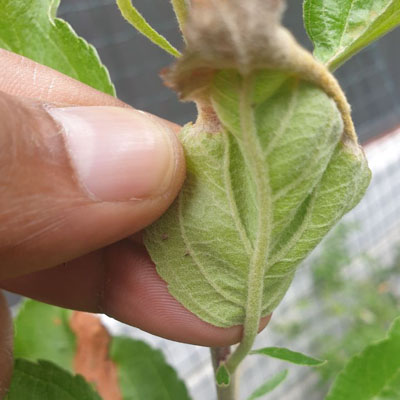
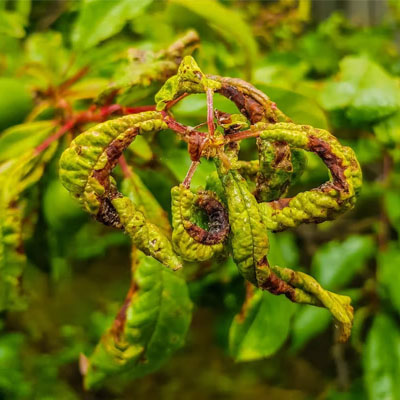
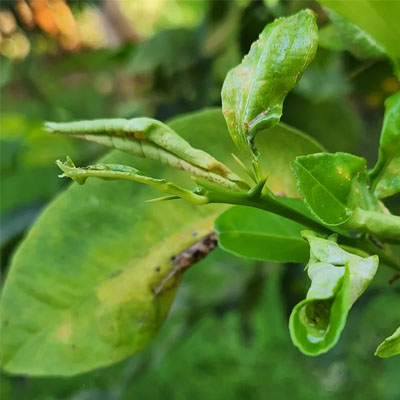
Leaf curling is one of the earliest signs that a tree is experiencing stress, and it often appears before more obvious changes in colour or canopy density. Heat, moisture fluctuations, and seasonal weather shifts can all influence how leaves hold their shape, especially when conditions change suddenly. These subtle distortions are easy to overlook at first, but they often reveal how the tree is responding to its environment.

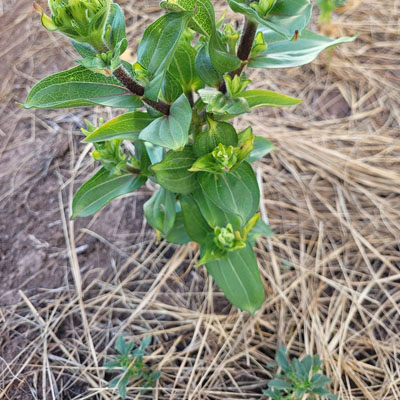
Leaf curl in trees can develop when the tree struggles to regulate water movement through its leaves, or when pests and soil conditions interfere with normal growth. Curled or distorted foliage may point to dehydration, oversaturation, nutrient restrictions, or sap-feeding insects depending on the pattern and timing. Noticing these early indicators helps identify what the tree is trying to adapt to before the stress begins affecting the wider canopy.
Why Leaves Curl When a Tree Is Under Stress

Leaves play a major role in regulating how a tree manages moisture, temperature, and energy. When conditions shift too quickly or the tree becomes strained, the leaf tissue can contract or fold as a protective response. This curling reduces the amount of exposed surface area, helping the tree slow moisture loss during hot, dry, or windy weather.

Stress inside the tree can also affect how water moves through the leaf. If the roots cannot supply enough moisture, or if the tree absorbs too much at once, the leaf’s internal structure can become imbalanced. These changes often appear first at the edges or tips, creating early curling patterns that point to deeper issues within the growing environment.

Leaf Curling: What It Says About Your Tree’s Health

Common Causes of Leaf Curl in Trees

Many different conditions can trigger curling, and the pattern of distortion often reflects the type of stress affecting the tree. While the curling itself is a physical response in the leaf, the underlying cause usually comes from the environment, soil, or pests. Identifying what is driving the change helps determine whether the issue is short-term or part of a larger health problem.

  • Heat stress can cause leaves to fold inward to reduce water loss. Prolonged high temperatures force the tree to limit exposure by contracting leaf edges.
  • Moisture imbalance, whether too much or too little water, disrupts how cells inside the leaf expand. Trees can show similar curling patterns when roots are waterlogged or when soil dries too quickly.
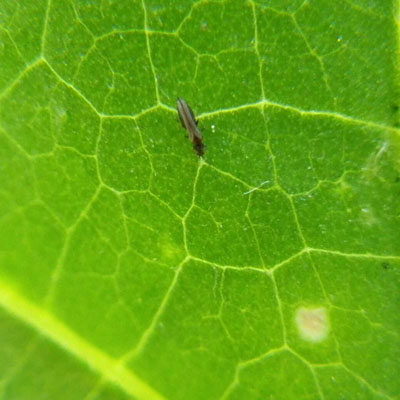
  • Sap-feeding pests such as aphids or psyllids distort new growth by extracting moisture and injecting compounds that interfere with leaf development.
  • Nutrient deficiencies can weaken leaf tissue, making it more prone to curling under mild stress. Poor soil nutrition often shows first in young or recently expanded leaves.
  • Soil compaction restricts root growth and limits oxygen availability, creating conditions where leaves fail to receive consistent moisture.
  • Sudden weather changes, especially rapid temperature fluctuations or strong winds after rain, can shock the canopy and trigger short-term curling.
Leaf Curling: What It Says About Your Tree’s Health

These factors can appear individually or in combination, and the specific cause is often linked to when the curling began and how quickly it progressed.

Pests That Trigger Leaf Curling

Sap-feeding insects are one of the most common biological causes of leaf curling, especially on young or tender growth. These pests extract moisture from the leaf and can introduce compounds that interfere with normal development, leading to puckering, folding, or twisted shapes. Early damage often appears at the tips or along the edges where new tissue is most vulnerable.

As the infestation progresses, distorted leaves may remain small, discoloured, or sticky from honeydew residue left behind by the insects. Aphids, psyllids, and mites are frequent contributors, each affecting the tree slightly differently but producing similar curling patterns. When several shoots show the same type of distortion, pests are often the underlying cause.

Leaf Curling: What It Says About Your Tree’s Health

Environmental and Soil Factors That Contribute to Leaf Distortion

Environmental changes and soil conditions play a major role in how consistently a tree can support healthy leaf growth. When roots are stressed or the surrounding environment shifts too quickly, the tree often responds through visible changes in the canopy. Leaf curling is one of the earliest reactions to these underlying disruptions.

  • Poor drainage keeps roots saturated for long periods, reducing oxygen availability and affecting how leaves expand. Waterlogged soil can cause sudden curling even when the canopy appears otherwise healthy.
  • Compacted soil restricts root growth and limits the tree’s ability to take up moisture evenly. These inconsistent moisture levels often lead to uneven leaf development and curling at the edges.
  • pH imbalance can affect nutrient uptake, leading to weaker leaf tissue that curls more readily under stress. Trees growing outside their preferred pH range often show gradual distortion and discolouration.
  • Sudden temperature shifts place the canopy under stress, particularly during heat spikes or cold snaps. Leaves may curl temporarily as the tree adjusts to rapid environmental change.
  • Root disturbance from construction or soil movement disrupts moisture flow and weakens young growth. Curling near the outer canopy is often the first sign the roots have been affected.
Leaf Curling: What It Says About Your Tree’s Health

These environmental and soil-related factors often develop slowly, which can make leaf curling appear without an obvious immediate cause. Noticing these patterns early helps identify where the stress is originating.

When Leaf Curling Suggests an Emerging Health Issue

Leaf curling can be an early sign that the tree is struggling to maintain consistent moisture or nutrient flow, even when the canopy still looks full. When curling appears alongside thinning leaves, discolouration, or reduced new growth, it often points to a deeper issue developing within the roots or soil. These combined symptoms show that the tree is having trouble supporting healthy growth across the canopy.

Long-term curling that returns each season can indicate that the underlying stress has never fully resolved. Repeated patterns like this may reveal ongoing moisture imbalance, persistent pest activity, or soil conditions that continue to limit the tree’s ability to recover. When these trends appear, the tree may require a closer assessment to prevent decline from progressing further.

Leaf Curling: What It Says About Your Tree’s Health

What You Can Do to Support Recovery

Supporting a tree with curling leaves starts with reducing the stress affecting the canopy and restoring more stable growing conditions. Small adjustments made early often help the tree respond better and prevent further decline. These steps focus on improving moisture balance, soil health, and pest awareness.

  • Adjust watering habits to keep the soil consistently moist without becoming waterlogged. Allowing the soil surface to dry slightly between watering helps roots function more effectively.
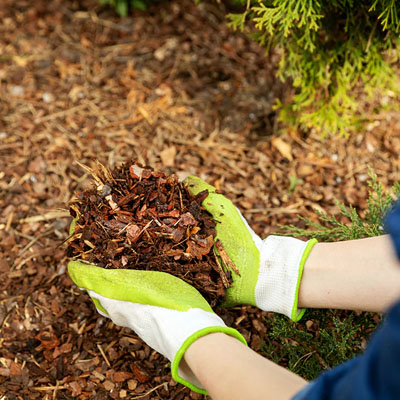
  • Add mulch around the root zone to regulate soil temperature and slow moisture loss during hot periods. Mulch also helps improve soil structure as it breaks down.
  • Improve soil conditions through aeration or organic matter if compaction or poor drainage is limiting root growth. Better soil structure supports more reliable moisture and nutrient flow.
  • Monitor for pests and check new growth regularly for curling patterns that appear suddenly or only on certain shoots. Early identification helps prevent widespread distortion.
  • Provide temporary shade during periods of extreme heat to reduce water loss from the leaves. This is especially helpful for young trees or recently stressed specimens.
Leaf Curling: What It Says About Your Tree’s Health

These steps help stabilise the tree’s growing environment and give it a better chance to reverse early curling. When the cause is identified and addressed promptly, many trees respond well and continue developing healthy new growth.

Concerned About Leaf Curling on Your Trees?

If your tree is showing curling, folding, or distorted foliage and the cause is not immediately clear, early assessment can prevent the stress from spreading through the canopy. We can identify what is driving the change and outline the safest steps to support recovery. For advice or an onsite inspection, contact O’Brien’s Tree Care on 07 5497 3116 or info@obrienstreecare.com.au.

FAQ: Leaf curl in trees

Not always. Some leaf curling is temporary and caused by short-term heat or weather changes. When the curling is widespread, recurring, or paired with discolouration, it may indicate a deeper issue affecting moisture, soil health, or pests.

In many cases, new growth will return to normal once the underlying stress is resolved. Existing curled leaves rarely flatten out again, but the tree can produce healthy foliage in the following weeks or months. The key is addressing the cause early so the canopy can recover.

No, pests are only one of several possible triggers. Heat stress, watering issues, and soil conditions can all cause leaf distortion without any insect activity. Distinguishing between environmental stress and pest damage is important for choosing the most effective response.

The newest and outermost leaves are the most sensitive to changes in moisture and temperature. When stress builds, these areas react first because they have less stored energy and thinner protective tissue. This early curling pattern can help pinpoint what the tree is responding to.

Yes. Compacted soil, poor drainage, or nutrient imbalance can disrupt how the roots supply moisture and minerals to the canopy. When the roots struggle, the leaves often show early signs of stress, including curling or distortion.

It’s worth seeking advice when the curling spreads quickly, returns each season, or appears alongside thinning foliage or reduced new growth. These patterns suggest an ongoing stress that may not correct itself without a closer assessment of the tree and soil conditions.