Managing Mature Trees: When Age Becomes an Asset or a Liability

Mature trees can be living landmarks, drawing the eye with their broad canopies and lending a sense of history to any property. Whether they’re native giants or cherished ornamentals, these veteran trees often embody decades, if not centuries, of growth. Their presence can enhance your surroundings, providing shade, improving air quality, and even boosting property value.

Despite these benefits, older trees introduce unique concerns. Advanced age can bring hidden decay, structural weaknesses, or increased vulnerability to disease. Addressing these issues proactively is key. By balancing a tree’s heritage value with potential risks, you can ensure that seasoned trunks and sweeping branches remain an asset rather than a liability.
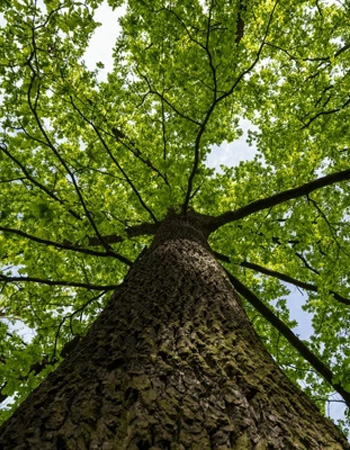
The Value of Mature Trees

Aesthetic and Cultural Significance

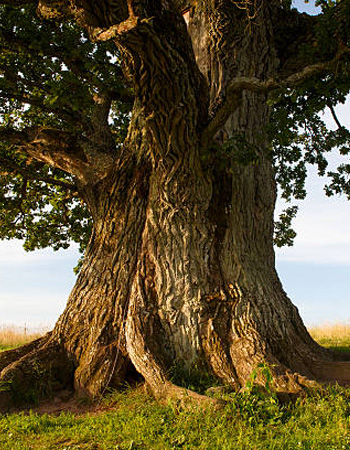
Older trees frequently serve as focal points in the landscape. Their expansive branches, textured bark, and towering forms can become iconic features. In some regions, heritage tree preservation efforts emphasize the importance of safeguarding specimens with historical or cultural ties, reflecting how deeply people treasure these silent witnesses to decades past.

Ecological Benefits

From an environmental standpoint, mature trees contribute extensive canopies that host diverse wildlife. They also capture more carbon dioxide than younger, smaller trees. Their robust root systems stabilize soil, minimizing erosion and promoting healthier local ecosystems. For many communities, properly managed older trees are a collective gain, beautifying neighborhoods and supporting biodiversity.

Managing Mature Trees

Common Challenges with Older Tree

Structural Weaknesses

Age can hide internal decay, hollow sections, or large cracks in trunks and branches. These issues undermine the structural integrity of old trees, making them prone to limb failure during high winds or storms. Often, such weaknesses aren’t visible to the untrained eye, underscoring the value of professional assessments to detect problems early.

Disease and Pest Vulnerability

Decades of growth also mean decades of exposure to potential infections and infestations. Tree disease management becomes more complex when pathogens, insects, or fungi exploit older wounds or stressed tissue. Without careful monitoring and timely intervention, a small infection can escalate rapidly, jeopardizing an entire canopy that took years to form.

Managing Mature Trees

Assessing Tree Health and Stability

Visual Indicators

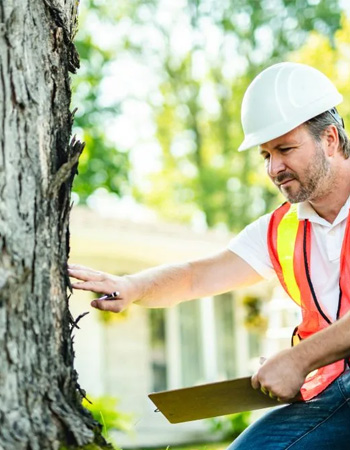
Homeowners can start by looking for peeling bark, unexpected leaning, or deadwood that never drops leaves. These signs may point to internal decay or a compromised root system. In certain cases, deadwood removal in older trees is essential if you notice entire branches remaining leafless throughout the growing season. Quick recognition of surface-level clues helps you decide whether deeper investigation is needed.

Professional Evaluation

While a cursory glance can reveal a few hints, a thorough tree safety inspection often demands an arborist for mature tree evaluation. Experts might use sounding techniques, tapping on trunks to detect hollow spaces, or specialized drills to check wood density. By pinpointing structural flaws, arborists can advise on interventions like pruning, cabling, or, in severe scenarios, tree removal.

Managing Mature Trees

Maintenance Strategies for Longevity

Selective Pruning and Care

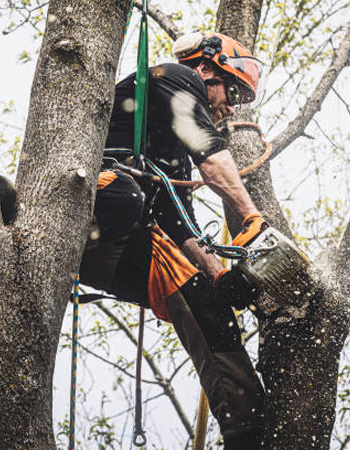
Large tree pruning, undertaken with precision, can remove hazardous branches while preserving a healthy canopy. Targeting areas of decay or damage eases strain on the trunk, reducing the likelihood of limb failure. In some cases, cabling and bracing prove invaluable for stabilizing weak branches, extending the tree’s lifespan and maintaining its aesthetic.

Soil and Nutrient Management

Root health in mature trees can wane over time, due to soil compaction or nutrient depletion. Addressing these issues might involve aerating the soil, applying compost or slow-release fertilizers, and laying mulch to conserve moisture. Strengthening the root zone helps these giants remain vigorous, bolstering their resistance to pests and weather extremes.

Managing Mature Trees

When Removal Becomes Necessary

Irreversible Damage or Serious Threats

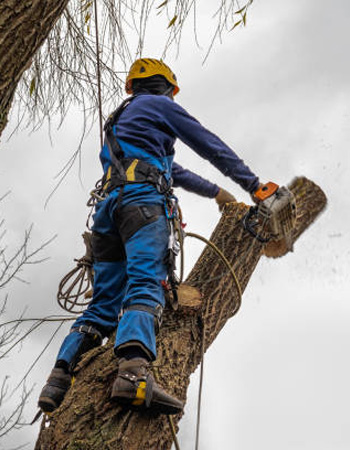
Despite diligent older tree maintenance, some cases of extensive rot or disease leave no alternative but old tree removal. If a trunk is riddled with decay, root systems are severely compromised, or branches pose imminent danger, prioritizing safety is paramount. Removing a beloved but hazardous tree spares property damage and potential injuries.

Balancing Heritage and Safety

It’s not always easy to part with a tree that has stood watch over your home for decades. However, if professional evaluations confirm that large limbs might topple or the trunk is profoundly unstable, acting swiftly is a responsible choice. Whether it’s partial or complete removal, arborists can ensure the process goes smoothly, minimizing any additional impact on your yard.

Managing Mature Trees

Balancing Heritage and Safety

Mature trees showcase the passage of time, offering character, shade, and ecological richness. Caring for older trees demands a delicate blend of respect for their age and vigilance against the vulnerabilities that accompany it. By acknowledging the visual cues, employing strategic pruning, and investing in necessary soil or structural support, you help these giants stand firm.

Yet, there are moments when safeguarding people and property takes precedence, and old tree removal becomes unavoidable. In every scenario,whether preserving heritage tree treasures or mitigating serious hazards, professional guidance is key. By partnering with certified arborists and addressing issues head-on, you ensure that age remains an asset for as long as possible, while limiting liability when it no longer can be.

If you are concerned about an older tree on your property, play it safe with obligation free assessments from our expert arborists at O’Brien’s Tree Care by calling 0431 740 088 or clicking here.