Managing Roots Without Harming the Tree

Tree roots can begin lifting paving, pressing against retaining walls, or interfering with nearby structures long before the tree itself shows signs of decline. When this happens, many property owners look for a solution that stops the damage while keeping the tree in place. The difficulty is that roots are not just surface growth. They form part of the tree’s stability system.

Managing roots without causing long-term harm requires more than simply cutting what is visible. Structural roots support anchoring, balance, and nutrient transport, and removing them without planning can create delayed instability. The outcome depends on how close the roots are to the trunk, how the canopy is balanced, and how the tree responds to surrounding soil conditions.
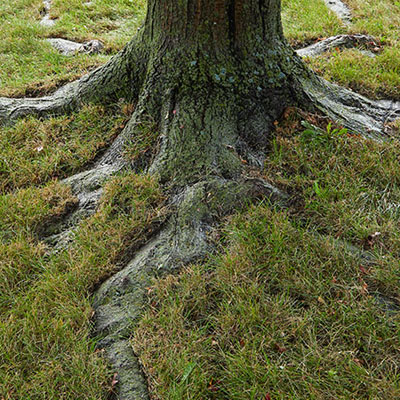
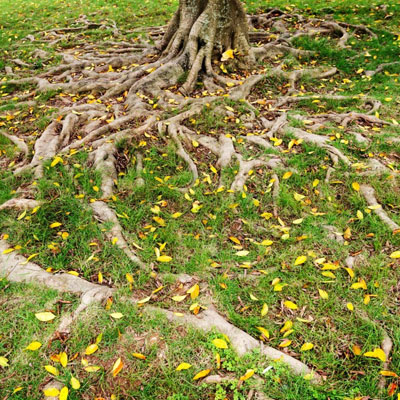
Why Cutting Roots Is Not a Simple Fix

Roots perform different roles depending on their size and position. Smaller feeder roots absorb water and nutrients, while larger structural roots stabilise the tree against movement. Removing the wrong roots can reduce anchoring strength even if the canopy still appears healthy.

Problems often do not appear immediately after cutting. The tree may remain stable for months before movement or decline becomes noticeable. Changes in soil moisture, wind exposure, or canopy weight can later reveal the loss of support, which is why root work requires careful evaluation rather than quick removal.

Supporting mature tree after root adjustment

Situations Where Root Intervention May Be Possible

Not every root conflict requires full removal or leaving the problem untouched. In certain conditions, selective intervention can reduce impact while maintaining stability. Suitability depends on how the tree is positioned and how much support the affected roots provide.

  • Roots located further from the trunk are less likely to be primary anchoring roots. Managing these areas may have a lower effect on overall stability.
  • Trees with balanced canopies distribute weight more evenly, allowing limited root work with reduced structural change.
  • Stable, well-drained soil conditions can help the remaining roots maintain support after adjustment.
  • Isolated root conflicts such as a single path or garden edge are easier to address than continuous lifting around the tree.
  • Species tolerant of root disturbance may cope better with controlled intervention than more sensitive trees.
Managing tree roots without damaging stability

When these factors are favourable, management options can be considered carefully rather than avoided entirely.

What Arborists Adjust Before Any Root Work

Before any root is reduced or redirected, the tree’s overall structure is assessed. Root intervention changes how the tree distributes weight and absorbs movement, so the canopy often needs attention first. Adjusting the above-ground structure can help compensate for changes below the surface.

Selective canopy reduction may be used to decrease leverage and reduce the load carried by the remaining roots. Balancing the canopy can also limit directional stress if roots on one side are affected. In some cases, staged work over time is preferred, allowing the tree to adapt gradually rather than responding to sudden structural change.

Arborist performing careful root management

Methods Used to Manage Roots While Preserving Stability

Root management is rarely a single action. Different approaches may be combined depending on how the roots are interacting with surrounding structures and how much support they provide. The aim is to reduce impact while maintaining the tree’s anchoring strength.

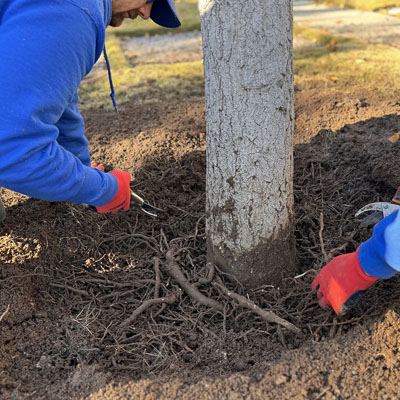
  • Selective root pruning targets specific roots contributing to lifting or pressure, rather than removing large sections at once.
  • Staged reduction over time allows the tree to adjust gradually and develop compensating roots.
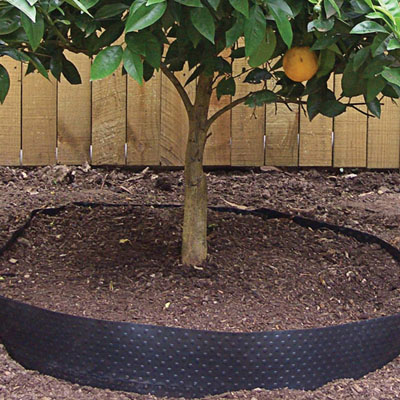
  • Installing root barriers after correction helps guide future growth away from structures once immediate conflicts are addressed.
  • Surface level adjustments such as modifying paving height can sometimes resolve contact without significant root removal.
  • Growth redirection strategies encourage roots to expand into more suitable soil areas where space is available.

The chosen method depends on the tree’s condition, the location of the conflict, and how much structural support the affected roots provide.

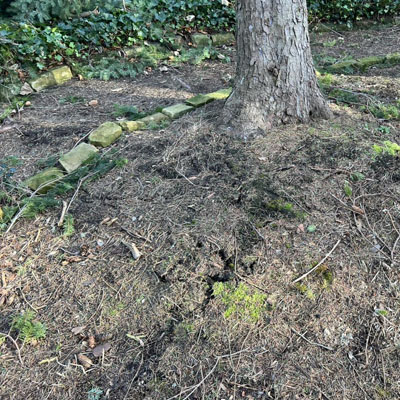
Tree root management around residential property

When Preservation Stops Being Safe

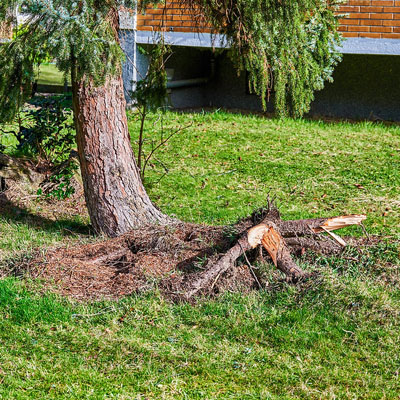
There are situations where managing roots is no longer a reliable way to maintain stability. If major structural roots are already compromised, further intervention may increase the likelihood of movement rather than reduce it. In these cases, preserving the tree can carry greater risk than resolving the conflict.

Repeated lifting, progressive lean, or movement following wet weather can indicate that the remaining support system is no longer sufficient. When corrective options cannot restore a safe balance between the tree and surrounding structures, alternative management decisions may need to be considered.

Residential tree root conflict resolution

Signs a Tree Needs Monitoring After Root Work

After roots are managed, the tree should be observed over time rather than assumed stable immediately. Changes can develop gradually as the tree adapts to altered support and soil conditions. Monitoring helps identify early movement before it becomes a larger issue.

Watching for these changes allows timely action if the tree responds differently than expected.

Managing Roots Without Harming the Tree

Concerned About Roots Affecting Your Property?

If tree roots are lifting paving, pressing against structures, or creating ongoing maintenance issues, the solution is not always straightforward. Careful assessment can determine whether management is possible without compromising stability. To discuss root concerns or arrange an onsite inspection, contact O’Brien’s Tree Care on 07 5497 3116 or info@obrienstreecare.com.au.

FAQ

Yes, removing major structural roots can reduce anchoring strength and affect water uptake. The impact depends on the size and location of the roots removed. Unplanned cutting can lead to delayed instability.

There is no universal safe distance, as tree size, species, and soil type all influence tolerance. Roots closer to the trunk are more likely to provide structural support. Assessment considers the tree’s overall balance rather than distance alone.

Smaller feeder roots often regenerate, but large structural roots do not regrow in the same way. Replacement roots may form over time, depending on conditions. Recovery varies between species.

Root pruning can reduce immediate pressure, but without additional measures such as barriers or surface adjustments, regrowth may cause recurrence. Long-term planning is usually required.

Unplanned cutting can destabilise a tree or create future decline. Roots are part of the structural system, and improper removal may not show consequences immediately. Professional assessment reduces unintended risk.

If major structural roots are compromised or repeated movement continues despite intervention, preserving the tree may no longer be safe. Decisions are based on stability, site exposure, and surrounding structures.