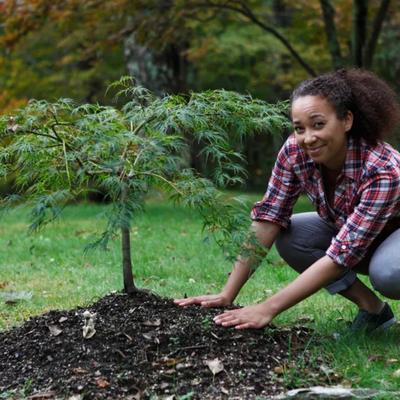
Recently Planted Tree Problems: Why New Trees Struggle and How to Help Them Recover

Recently planted trees often go through a period of adjustment, and it is common for them to look stressed in the first few months. Even when the soil is prepared well and watering seems consistent, new trees can wilt, lose leaves, or stall in their growth. This early phase is when the root system is re-establishing, and the tree is learning to balance moisture demand with the limited root structure it currently has. Small changes in weather, soil moisture, or planting technique can influence how the tree copes during this period.

Many of the problems that appear shortly after planting can be corrected with simple adjustments, while others are signs that the tree is struggling to settle into its new environment. Identifying these patterns early helps prevent long-term decline and supports healthier root development as the tree anchors itself. With the right care, most new trees recover well and begin to show consistent growth once the root zone stabilises.

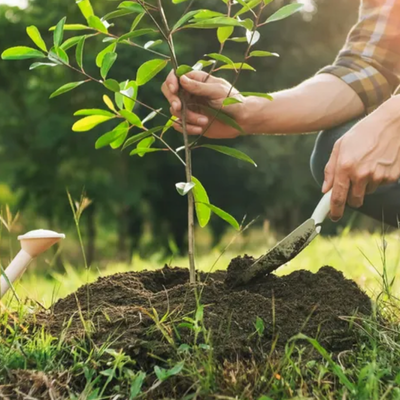
Common Problems With Recently Planted Trees

New trees often show visible stress while adjusting to their new environment. These issues tend to appear quickly and can feel alarming, especially when the tree was healthy at the nursery. Recognising the most common symptoms helps determine whether the tree is experiencing normal transplant stress or needs more focused care.

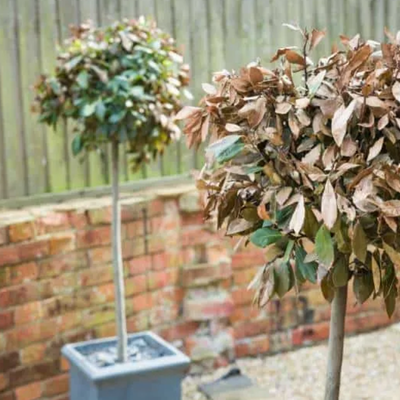
  • Wilting or drooping foliage: Leaves may lose firmness during warm weather because the root system cannot keep up with moisture loss.
  • Yellowing leaves: Nutrient uptake is limited while roots re-establish, which can cause pale or uneven colour in early growth.
  • Sudden leaf drop: Some trees shed to reduce demand on their limited root capacity, especially after heat or wind.
  • Dieback at the tips: Tender new shoots may dry back if moisture levels fluctuate or the tree is planted too deeply.
  • Slow or stalled growth: Root disturbance during planting often delays new growth until the tree stabilises in the soil.
Recently Planted Tree Problems: Why New Trees Struggle and How to Help Them Recover

These symptoms occur frequently in the first weeks after planting. Most improve as the tree settles and receives consistent watering. If the problems worsen or continue beyond the early stage, the cause is usually linked to the soil, planting depth, or root stress that needs attention.

Why New Trees Struggle After Planting

Most recently planted trees face some level of stress as they adjust to new soil conditions. When a tree is moved from a pot or nursery bed, a significant portion of its fine feeder roots is lost or disturbed. These are the roots responsible for absorbing water, oxygen, and nutrients. With fewer functional roots, the tree cannot support the same canopy it had before planting, which leads to wilting, leaf yellowing, or slow growth until the root system rebuilds.

Site conditions also play a major role. Heat, wind, and inconsistent watering can overwhelm a young root system during the first few months. Soil that holds too much water, drains too quickly, or differs significantly from the nursery soil can limit root expansion. Planting depth is another common issue. Trees set too deep or with buried root flares often struggle to establish and show decline early. Each of these factors influences how well the tree transitions and how quickly it begins to grow normally again.

Recently Planted Tree Problems: Why New Trees Struggle and How to Help Them Recover

The First 12 Weeks: Steps That Support Recovery

The establishment phase is when new trees need the most stable conditions. Simple adjustments during this period can make a significant difference in how quickly the tree settles and begins to grow. The focus should be on supporting root development rather than trying to push rapid canopy growth.

  • Deep, consistent watering: Water long enough for moisture to reach the deeper root zone rather than shallow daily watering. This encourages roots to grow downward and stabilise.
  • Correct mulching: Apply a light mulch layer to keep the soil cool and moist, but keep it clear of the trunk to prevent rot and pest issues.
  • Check planting depth: Ensure the root flare is visible at the surface. If it is buried, gently remove excess soil or mulch to expose it.
  • Inspect stakes and ties: Stakes should only support the tree lightly. Overly tight ties restrict natural movement and slow the development of a strong trunk.
  • Protect the root zone: Keep traffic, equipment, and stored materials away from the base so roots are not compressed as they begin to grow.
Recently Planted Tree Problems: Why New Trees Struggle and How to Help Them Recover

These actions create a more forgiving environment for the root system and reduce the stress that often leads to wilting or leaf drop. As the tree establishes, growth will usually become more consistent and the canopy will start to fill out.

Common Mistakes That Make Problems Worse

Many issues with recently planted trees come from well-intentioned care that creates more stress than support. One of the most common problems is overwatering. New trees often sit in soil that drains differently from the nursery mix, and saturating the area every day can drown fine roots and limit oxygen. Shallow watering creates similar issues by encouraging surface roots that dry out quickly. Both approaches can lead to wilting and yellowing even when the soil appears moist.

Mulch piled against the trunk is another frequent mistake. This traps moisture and can weaken the bark, making the tree vulnerable to decay or pests. Tight staking also slows the tree’s ability to strengthen its own trunk, and stakes left in place too long can restrict movement or damage the bark. Planting too deep, compacting soil around the base, or adding excess fertiliser during the early months can all set the tree back, delaying its ability to settle into the site.

Recently Planted Tree Problems: Why New Trees Struggle and How to Help Them Recover

When It’s Time to Call an Arborist

Most new trees experience some level of transplant stress, but certain patterns signal that the problem is deeper than simple adjustment. If the tree continues to decline after the first several weeks, or if symptoms spread through the canopy, it is often a sign that the root zone is struggling to establish. An arborist can determine whether the issue is related to planting depth, soil conditions, pests, or early structural problems that need attention.

Recently Planted Tree Problems: Why New Trees Struggle and How to Help Them Recover

If any of these signs appear, a tree health assessment helps identify what is driving the decline and whether the tree can recover with targeted care. Early diagnosis prevents long-term damage and protects the tree as it continues to establish.

Help New Trees Establish Strong Roots

Newly planted trees can take time to adjust, and early stress is often a sign that the root system is still settling into its environment. By addressing watering habits, soil conditions, and planting depth, many problems can be corrected before they lead to long-term decline. Monitoring the canopy over the first few months helps confirm whether the tree is improving or if deeper issues need to be investigated.

O’Brien’s Tree Care provides tree health assessments across South-East Queensland to help identify the causes behind slow growth, wilting, or repeated leaf drop in newly planted trees. Our certified arborists assess soil conditions, planting technique, and canopy patterns before recommending practical steps that support recovery. If you are concerned about a new tree that is not responding to care, contact us by calling 0431 740 088 or clicking here to arrange an inspection and a clear plan for promoting healthy establishment.

FAQ: Recently Planted Tree Problems

Most newly planted trees show some stress for the first 6 to 12 weeks while fine feeder roots rebuild. In tougher sites or hotter months, mild stress can linger for a full growing season before growth fully stabilises.

It’s best to wait until you see steady new growth, usually after the first few months. Fertiliser applied too early can push leaf growth before roots are ready, which adds strain rather than helping.

Deep watering once or twice a week is usually better than light watering every day. The aim is to moisten the soil to root depth so the tree can draw water between intervals.

Not always. Staking is only needed if the tree is unstable in wind or planted in loose soil, and the ties should allow slight movement to build trunk strength.

Most stakes should come out after one growing season, or sooner if the tree stands firm on its own. Leaving stakes on too long can weaken the trunk and cause rubbing damage.

Not necessarily. Some species shed leaves under stress and can re-leaf once roots recover, especially if buds remain firm and bark stays healthy. If the canopy stays bare through the next growth period, a professional check is the safest next step.

A pause in growth is common while roots establish, but growth should resume once moisture and soil conditions are stable. If there is no sign of new shoots after several months, it may indicate planting depth issues, root stress, or site problems that need assessment.