Should You Seal Pruned Limbs? The Truth About Tree Wound Care

For years, many homeowners believed that sealing pruned limbs with wound paint or synthetic sealants helped trees heal faster. However, modern arboriculture has shown that trees naturally compartmentalize wounds, and sealing can actually trap moisture, attract pests, and cause decay.

So, is there ever a reason to seal a pruned limb? Or should you leave the tree to heal on its own? Below, we’ll look at how trees recover, why sealing is often unnecessary, and the best pruning practices to promote natural healing.
How Trees Naturally Heal After Pruning

Compartmentalization: Nature’s Wound Protection

Unlike humans, trees don’t “heal” by regenerating tissue. Instead, they use compartmentalization, a process where they seal off the damaged area by forming a protective barrier around it. Over time, the tree grows callus tissue, which prevents disease and decay from spreading further into healthy wood.

Why Sealing Interferes with Healing

Tree wounds need oxygen and airflow to properly close. When left untreated, a tree develops its own protective layer over the cut. Sealing a wound blocks this process, increasing the chances of rot or fungal infections. Trees have evolved to manage damage on their own. Applying artificial sealants disrupts their natural ability to recover.

Should You Seal Pruned Limbs? The Truth About Tree Wound Care

Why Sealing Pruned Limbs Can Be Harmful

While it may seem helpful to cover a tree wound, sealants often do more harm than good. Here’s why:

  • Traps Moisture: Instead of protecting the wound, sealants create a damp environment where bacteria and fungi thrive.
  • Slows Natural Drying: Air circulation is essential for a cut to properly close. Sealing prevents the wound from hardening as it should.
  • Attracts Pests: Some sealants contain chemicals that draw insects, leading to further damage.
  • Encourages Decay: Studies show that trees left to heal naturally develop callus tissue faster than those with sealed wounds.

Rather than sealing, the best approach is to prune properly and let the tree’s natural defenses take over.

Need a certified arborist report for council, strata or storm damage? Get expert findings, photographic evidence, and practical guidance.

Are There Any Situations Where Sealing Might Be Necessary?

While sealing is generally discouraged, there are a few rare cases where it may be beneficial:

Certain Tree Species

Some species, such as oak trees, are vulnerable to oak wilt disease, which spreads through open wounds. In areas where this disease is a concern, a thin layer of wound sealant may be used, but this is not commonly needed in Australia.

Extreme Weather Conditions

In cases where a tree is exposed to intense heat or frost, a light protective layer may prevent sun scald or frost cracking. However, this is more common in climates with harsh temperature fluctuations.

Large Wounds from Major Limb Removal

For significant cuts where a large branch is removed, some arborists may recommend limited wound dressing to prevent excessive moisture loss. Even in these cases, proper pruning techniques matter more than sealing.

For most trees, sealing should be avoided unless an arborist confirms it’s necessary for a specific situation.

Should You Seal Pruned Limbs? The Truth About Tree Wound Care
Seal Pruned Limbs

Best Practices for Pruning to Promote Healthy Healing

Since sealing isn’t the solution, proper pruning techniques are the best way to ensure a tree recovers without complications.

Prune at the Right Time

  • Avoid pruning during extreme weather conditions (high heat, frost, or heavy rain).
  • Best pruning seasons vary by species, but late summer to early autumn is generally a good time to avoid excessive sap loss.

Make Clean Cuts

  • Always use sharp, sterilized tools to avoid tearing bark.
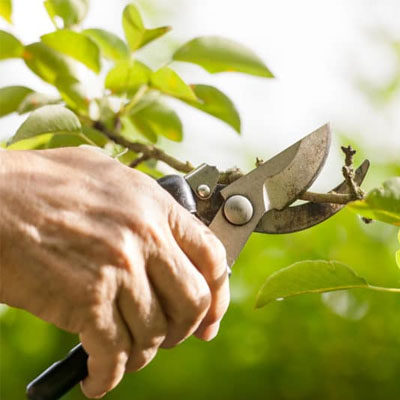
  • Cut just outside the branch collar, where the tree can naturally seal the wound.

Monitor Healing Progress

  • Keep an eye on pruned limbs for signs of fungal growth, insect infestation, or decay.
  • If the cut isn’t closing properly, consult an arborist for advice on further care.

Proper pruning practices eliminate the need for artificial sealants and allow trees to heal naturally.

Should You Seal Pruned Limbs? The Truth About Tree Wound Care
Seal Pruned Limbs

Let Trees Heal Naturally

Sealing pruned limbs may seem helpful, but in most cases, it causes more harm than good. Trees have their own way of managing wounds through compartmentalization, and applying a sealant often traps moisture, attracts pests, and slows natural recovery. For healthy healing and long-term tree stability, focus on proper pruning techniques, seasonal timing, and regular monitoring.

If you’re unsure about a major pruning job or want to ensure your tree remains in top condition, consulting a professional arborist for guidance on the best approach is the way to go. Qualified, experienced arborists understand that each situation requires its own approach in order to get the best results for our leafy friends. If your trees need pruning and you want peace of mind knowing it is getting the best care possible, contact O’Brien’s Tree Care by calling 0431 740 088 or clicking here.