Soil Compaction and Tree Stress: Why Healthy Roots Start Underground

Soil compaction is one of the most common hidden drivers of tree decline in built environments. When ground is compressed by foot traffic or vehicles, the spaces that hold air and water collapse. Roots then struggle to breathe, absorb moisture, and anchor the tree, which leads to slow growth and canopy thinning over time.

Compaction rarely looks dramatic at the surface, yet its effects build season after season. Water begins to pool instead of soaking in. Fine feeder roots die back first, which reduces nutrient uptake and leaves trees vulnerable during heat or dry periods. Addressing the root zone early prevents long recovery times and helps protect the canopy above.
What Is Soil Compaction?

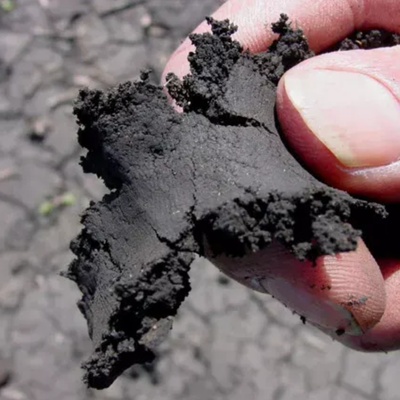
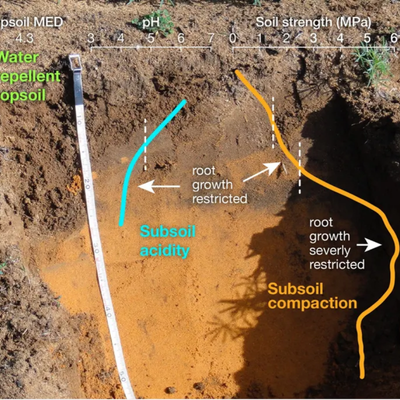
Soil compaction happens when pressure forces soil particles tightly together, reducing the small spaces that normally hold air and water. These spaces are vital for healthy roots because they allow oxygen to move through the soil and moisture to infiltrate deeply. Without that balance, roots struggle to grow and function, even when the tree appears well-watered.

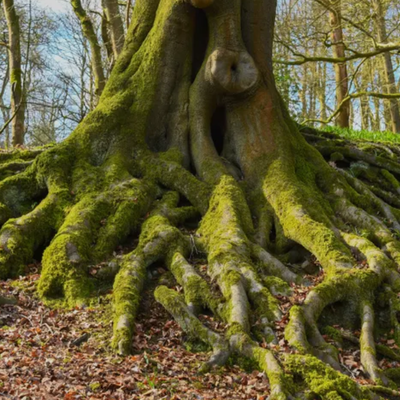
Compaction is most common in residential and commercial landscapes where people, vehicles, and equipment regularly cross over the root zone. Construction, paving, turf installation, and repeated mowing can all create dense layers that limit root expansion. Because most tree roots sit in the top 30-60 centimetres of soil, this compression affects nearly every part of the root system, often long before visible canopy symptoms appear.

Soil Compaction and Tree Stress: Why Healthy Roots Start Underground

Early Indicators of Compaction Stress

Soil compaction shows its effects gradually. Most symptoms begin at the canopy, even though the problem starts underground. Noticing these changes early helps prevent further decline and gives the tree a better chance of recovery.

These patterns often appear together and may worsen through summer and extended dry periods. Because the symptoms overlap with drought or nutrient imbalance, a closer look at site conditions helps confirm whether compaction is the underlying cause.

Why Compacted Soil Damages Tree Roots

Healthy soil contains a balance of solids, water, and air. When ground becomes compacted, those air spaces collapse and oxygen levels drop. Roots rely on oxygen to function, so reduced airflow slows their ability to absorb water and nutrients. Even if irrigation is regular, the tree cannot use moisture efficiently, which leads to wilting, sparse foliage, and overall decline.

Water movement is also affected. Instead of soaking into the soil profile, water often remains at the surface or runs off, leaving deeper roots dry. Fine feeder roots are the first to die, which limits the tree’s ability to draw nutrients and support new growth. Over time, weakened roots make the tree less stable, less resilient to heat and drought, and more vulnerable to pests, disease, and branch dieback.

Soil Compaction and Tree Stress: Why Healthy Roots Start Underground

How Arborists Diagnose Compaction Issues

Because compaction begins below the surface, arborists use a structured approach to confirm whether compressed soil is the primary cause of stress. The goal is to link canopy symptoms with changes in soil structure, moisture movement, and activity around the root zone. This helps rule out unrelated problems and gives a clearer path toward recovery.

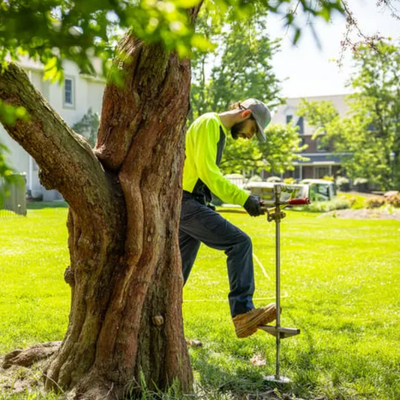
  • Soil probe resistance: A soil probe or similar tool is used to check how easily the tip enters the soil. High resistance at shallow depth often points to compaction.
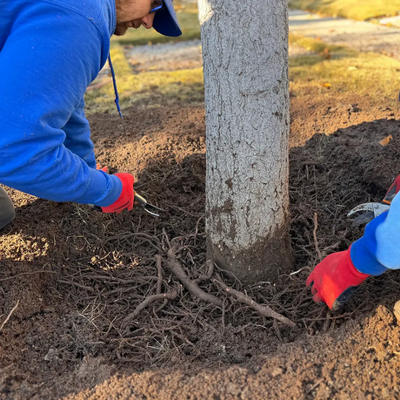
  • Root flare and surface root inspection: Arborists look for buried root flares, exposed feeder roots, or girdling roots that can form when soil is dense.
  • Moisture and drainage checks: Standing water, dry pockets beneath wet topsoil, or fast runoff all provide clues about how well the soil accepts and stores water.
  • Signs of disturbance: Evidence of trenching, paving, landscaping, or vehicle movement is noted, especially when it aligns with the onset of decline.
  • Canopy and site pattern review: The spread of symptoms is mapped to see whether stress matches footpaths, driveways, work zones, or newly compacted areas.
Soil Compaction and Tree Stress: Why Healthy Roots Start Underground

This process helps separate compaction from nutrient imbalance, irrigation faults, or disease. With an accurate diagnosis, certified arborists can recommend soil improvement methods that support long-term recovery rather than temporary relief.

What Property Owners Can Do Right Now

There are a few simple steps that support stressed trees while a longer plan is put in place. Begin by protecting the root zone from further pressure. Keep vehicles, skips, and heavy equipment away from the area beneath the canopy. If foot traffic is unavoidable, install temporary paths or barriers to spread weight more evenly.

Check soil moisture below the surface rather than relying on appearance alone. Water deeply when dry, allowing time between applications so moisture reaches the deeper roots. Avoid digging or adding fill around the base, as extra soil can smother roots and trap moisture. If decline continues, arrange a tree health assessment so an arborist can confirm whether compaction is the primary issue.

Soil Compaction and Tree Stress: Why Healthy Roots Start Underground

Long-Term Solutions for Compacted Soil

Improving compacted soil is a gradual process that focuses on rebuilding structure, restoring airflow, and protecting the root zone from future stress. These measures work together to support healthier roots, better moisture movement, and stronger canopy growth over time.

  • Mulch application: A 5-8 cm layer of organic mulch helps moderate soil temperature, retain moisture, and encourage natural soil organisms to break up dense layers. Keep mulch clear of the trunk collar.
  • Soil aeration techniques: Depending on site conditions, targeted aeration, vertical mulching, or air-excavation tools can open compacted areas without damaging existing roots.
  • Organic soil improvement: Adding composted materials at the surface encourages soil microbes and earthworms, which help restore structure and increase nutrient availability.
  • Root-zone protection: Limit heavy traffic, storage, and construction activity beneath the canopy. Permanent garden beds or mulched areas are often an effective buffer.
  • Adjusted irrigation strategies: Deep, less frequent watering supports root growth into improved soil zones. Irrigation should be matched to species, slope, and seasonal needs.
Soil Compaction and Tree Stress: Why Healthy Roots Start Underground

These steps gradually rebuild soil health and give roots the space and oxygen they need to recover. Once the foundation improves, the canopy can begin to thicken and regain colour through normal seasonal growth.

Support Underground, Protect Canopy

Soil compaction is easy to overlook, yet it has a direct impact on canopy health. When roots lose access to air and moisture, growth slows and trees become more vulnerable to heat, drought, and pests. Addressing the problem early gives roots time to rebuild and helps the canopy recover through future seasons.

O’Brien’s Tree Care offers tree health assessments across South-East Queensland to identify whether compaction is contributing to stress. Our certified arborists examine soil condition, site history, and canopy patterns before recommending practical treatments that support long-term recovery. If your trees are thinning, wilting, or showing slow growth, get in touch with us on 0431 740 088 or by clicking here to discuss the best steps for restoring their root health.

FAQ: Soil Compaction and Tree Stress

No. Clay is a soil type, while compaction is a condition that can affect any soil. Clay compacts easily, but sandy and loamy soils can also become dense under pressure.

Yes, but it takes time. Mulch, organic surface additions, and targeted aeration improve structure gradually. Protecting the root zone from traffic prevents the problem from returning.

Not at first. If roots lack air and water, they cannot use added nutrients well. Improve soil structure and watering first, then consider nutrient support if tests show a deficiency.

Severe or prolonged compaction can lead to root decline, canopy dieback, and instability. Mature trees may survive for years, but gradual failure is common if the root zone does not improve.

Water pools or runs off, a probe is hard to push in, and grass or groundcovers struggle to grow. Trees may wilt during warm weather despite regular watering.

If thinning, yellowing, or wilting persists through a season, or you plan construction near trees, book a tree health assessment. Early advice helps protect roots and reduces long recovery times.