Root Health 101: Spotting and Preventing Underground Issues

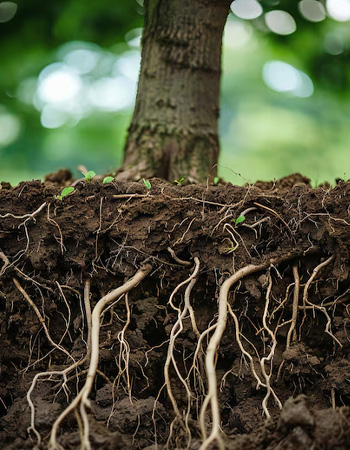
Trees draw much of their strength and vitality from what happens beneath the surface. A robust root system supports tree stability, provides access to water and nutrients, and helps weather challenges like drought or strong winds. Yet many signs of compromised root health go unnoticed until a tree is already struggling.

By taking a closer look at the root zone and addressing any issues early, you safeguard your tree’s long-term vigor. This becomes especially vital during storm season, when solid footing can mean the difference between a resilient tree and one at risk of uprooting.

How Healthy Roots Shape Tree Strength

Structural Support

Healthy roots anchor your tree, acting as a reliable foundation. During harsh weather, such as high winds or torrential rain, trees with weak or decaying roots can topple or lean dangerously. Root rot and compacted soil both diminish a tree’s capacity to hold firm in the ground, making regular attention to root health a key aspect of overall tree care.

In storm-prone regions, strong root systems serve as the first line of defense. Even if the canopy undergoes stress from wind, well-established roots help the trunk remain upright, reducing the chance of severe property damage or injuries.

Nutrient and Water Uptake

Beyond stability, roots handle the critical job of drawing moisture and minerals from the soil. When roots become crowded, damaged, or diseased, a tree may show symptoms like leaf discoloration or stunted growth. Over time, suboptimal water uptake leads to ongoing stress that leaves the tree more vulnerable to pests and disease.

Good root health translates into robust foliage, steady growth, and improved resilience against environmental stressors. By investing in the root zone, through thoughtful soil practices, proper watering, and prudent planting, you foster a healthier canopy above.

Root Health 101
Root Health 101

Common Signs of Root Problems

Above-Ground Indicators

Often, you can spot the initial red flags of poor root health by observing the tree’s trunk and branches. A leaning trunk or thinning foliage can indicate root issues below. Similarly, a canopy that loses leaves prematurely or fails to thrive may signal that the root system is struggling. Sometimes, mushrooms or fungal growth at the tree’s base can mean rotting wood underground.

If you notice cracks developing near the tree’s base or hear a hollow sound when tapping the trunk, it’s worth investigating further. These cues could hint at underlying decay that compromises stability—a particular concern when storm season arrives.

Root Zone Red Flags

Digging into the soil shouldn’t reveal soft, overly saturated ground or an unpleasant, rotten smell. Hard, compacted soil that hinders water absorption can also damage roots, as can repeated waterlogging. Regularly inspecting the root zone for standing water, foul odors, or strange fungal blooms helps you catch issues before they intensify.

Quick Reference Checklist

Below are some common red flags in the root zone. After reviewing them, consider whether any align with your tree’s condition:

  • Unusual mounds or depressions around the trunk.
  • Distinctive, persistent fungal patches near roots.
  • Cracked or raised soil exposing brittle, discolored roots.

Spotting any of these symptoms signals that prompt action may be necessary to preserve overall root health

Root Health 101

Preventative Measures for Healthy Roots

Proper Planting Practices

The foundation for strong root systems starts with correct planting. Choose a suitable location that offers enough space for the tree’s mature spread, and plant at the recommended depth. Roots must be able to grow outward freely without impediments like concrete or compacted fill. For better storm resilience, select species known for stable root structures if your area experiences extreme weather.

Additionally, matching the tree to local conditions helps sidestep avoidable stress. Native tree species that thrive in your region’s typical rainfall and soil type fare better. By accounting for these factors, you reduce the risk of waterlogging or moisture deficits, both of which degrade root health.

Root Health 101

Soil Care and Drainage

Healthy soil brimming with beneficial microbes supports root growth. Amending it with compost or other organic matter can improve aeration and moisture retention. Mulching around the trunk, while keeping a small gap to prevent rot, helps retain moisture and stabilize soil temperature.

If you notice ongoing issues with water pooling, installing drainage solutions such as French drains or swales might be necessary. Addressing root rot or anaerobic conditions is crucial: oversaturated soil robs roots of oxygen and triggers decay, threatening the tree’s longevity

Storm-Proofing Roots with Professional Help

Arborist Assessments

Scheduling an arborist for root evaluations is invaluable, especially if your tree shows signs of stress. Professionals can conduct diagnostic tests, identifying compacted soil or incipient rot before it escalates. Their expertise allows them to recommend precise interventions, such as root pruning or soil amendments, tailored to specific problems.

During storm season, ensuring root stability is paramount. Certified arborists understand how to navigate root health in mature trees, pinpointing hidden vulnerabilities that could lead to dangerous uprooting or major limb failure under high winds

Structural Supports or Root Barriers

For trees at risk of root encroachment on foundations or utilities, root barriers may redirect growth away from vulnerable areas. These physical partitions preserve the tree while safeguarding property. In other cases, soil compaction might require specialized aeration techniques to restore breathing room to suffocated roots.

Root Health 101: Spotting and Preventing Underground Issues

If structural weakness extends up the trunk, arborists may recommend cabling or bracing to relieve stress on branches. By targeting issues both above and below ground, you equip your tree with a fortified defense against storms.

Secure Your Trees from the Ground Up

A robust root system is the bedrock of healthy, resilient trees, especially in storm-prone environments. From identifying early warning signs like unusual fungal growth or leaning trunks to improving drainage and enhancing soil fertility, caring for roots ensures stability and vitality. While homeowners can handle basic observations and maintenance, deeper concerns often require professional insight.

Collaborating with a certified arborist enables you to address root problems effectively, reinforcing your landscape’s ability to withstand severe weather. With strong roots beneath the surface, trees stand a better chance of enduring challenges from drought to fierce winds, ultimately providing shade, beauty, and ecological benefits for years to come. If you want to make sure your trees have a solid foundation on which to thrive, arrange a tree root inspection with O’Brien’s Tree Care by calling 0431 740 088 or contact us online.

Root Health 101: Spotting and Preventing Underground Issues