Sticky Leaves or Cars Covered in Sap: What’s Really Causing It?

Sticky residue on leaves, cars, driveways, and outdoor furniture often appears without warning. One day everything is clean, and the next there’s a tacky film coating surfaces beneath a tree, sometimes returning even after washing it away. It’s common for this to show up overnight or worsen during warm, still conditions.

Most people assume the tree itself is leaking sap, especially when the sticky buildup seems to be coming from above. In reality, sticky sap on leaves is often something entirely different, and the source isn’t always obvious just by looking at the trunk or branches. The confusion usually sets in before the real cause is noticed higher up in the canopy.
When ‘Sap’ Isn’t Actually Coming From the Tree

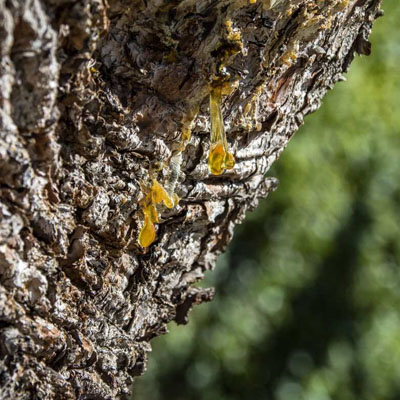
True sap leaks from a tree are relatively uncommon and usually tied to visible wounds, pruning cuts, or bark damage. When sap does escape naturally, it tends to appear in small, localised areas rather than coating leaves, cars, or large sections of ground below the canopy. It also doesn’t usually drip continuously across wide areas.

In most sticky residue cases, the trunk and main branches show no signs of damage at all. The tree looks healthy, yet surfaces beneath it keep becoming tacky. That mismatch is often the first clue that the source of the problem isn’t sap moving inside the tree, but something happening on the leaves and smaller branches above.

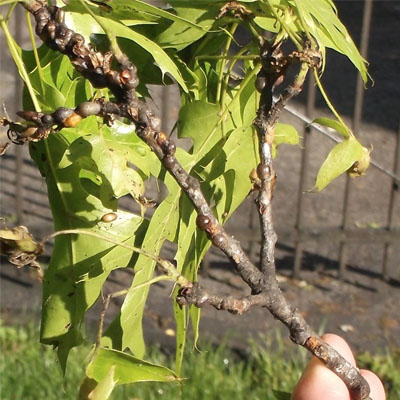
Healthy tree with sticky residue appearing underneath

The Real Source of Sticky Residue: Honeydew From Insects

Sticky buildup usually comes from activity happening high in the canopy rather than from the tree itself. In most cases, the residue people describe as sap is actually a sugary substance produced by insects. This residue is known as honeydew.

  • Sap-feeding insects such as aphids, psyllids, and scale feed on sap within leaves and young shoots. They consume large volumes to extract nutrients and expel the excess sugar as honeydew.
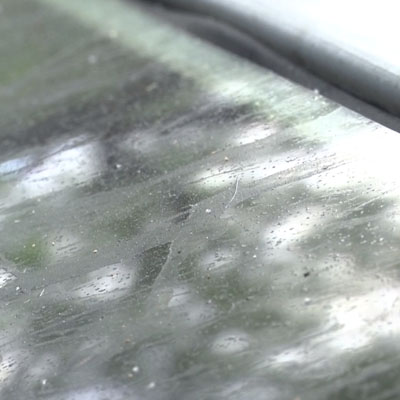
  • Honeydew coats leaves first before dripping onto cars, paving, outdoor furniture, and plants below. This creates the impression that the tree itself is leaking.
  • Feeding usually occurs on the undersides of leaves, which keeps the insects hidden from view. This makes the source difficult to spot without closer inspection of the canopy.
  • Warm, still conditions allow honeydew to build up rather than being washed away. Sticky residue often becomes far more noticeable during calm weather.
  • Seasonal population spikes can cause honeydew to appear suddenly, even when the tree looked healthy days earlier.
  • Dense or sheltered canopies trap residue more easily, preventing rain or wind from clearing the buildup.
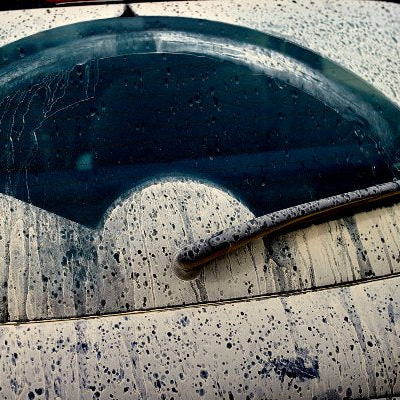
Sticky residue on car parked under tree canopy

Once honeydew production begins, the sticky residue usually persists until insect activity declines. Without addressing the source, cleaning surfaces below the tree often provides only short-term relief.

Why Some Trees Show Heavier Honeydew Build-Up

Not all trees attract sap-feeding insects at the same rate. Certain species are more appealing due to leaf chemistry, growth patterns, or the way new growth is produced throughout the season. When insects establish in these canopies, honeydew accumulation can become far more noticeable than in nearby trees.

Canopy structure also influences how much residue is seen below. Dense foliage holds insect activity higher in the tree and slows the natural clearing of honeydew from leaves. Trees growing in sheltered positions often show heavier build-up because wind and rain are less effective at dispersing residue through the canopy.

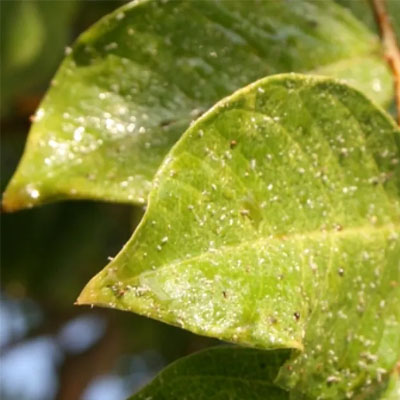
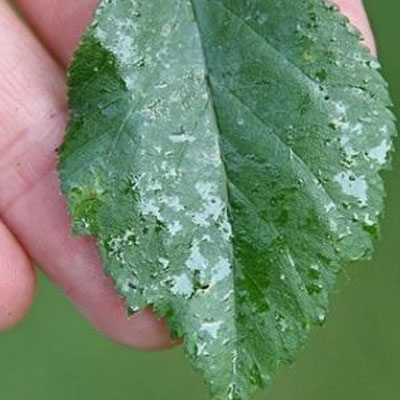
Underside of leaves coated in insect honeydew

Problems That Develop With Ongoing Honeydew Build-Up

Honeydew accumulation affects more than just surfaces beneath the tree. As residue persists, secondary issues can begin forming across the canopy and surrounding area. These changes often develop gradually, which makes the original cause easy to miss.

  • Sooty mould growth commonly forms on surfaces coated with honeydew. This black film feeds on sugars and can spread across leaves, fences, and outdoor furniture.
  • Leaf surface obstruction reduces how much light reaches leaf tissue. Over time, this can interfere with normal photosynthesis and place additional stress on the canopy.
  • Increased ant activity often follows honeydew presence. Ants are attracted to the sugars and may protect sap-feeding insects, allowing populations to persist.
  • Ongoing surface contamination becomes more frequent rather than occasional. Cars, paving, and outdoor areas may require repeated cleaning as residue continues to fall from the canopy.
  • Long-term canopy pressure can develop if insect populations remain high. Prolonged feeding weakens growth and can contribute to thinning or reduced vigour.
Shiny sticky leaves caused by honeydew from insects

Once these secondary issues appear, the problem is rarely just cosmetic. Persistent honeydew usually indicates sustained insect activity that is beginning to affect both tree health and the surrounding environment.

How to Tell Whether the Issue Is Insects or True Sap

One of the easiest ways to narrow down the source is to look at where the sticky residue is appearing. True sap leaks usually trace back to a visible wound on the trunk or a specific branch and stay localised around that point. Sticky residue caused by insects is far more widespread, coating leaves first and then anything positioned underneath the canopy.

Inspecting the leaves themselves often provides the clearest clue. A shiny or tacky surface, particularly on the underside of leaves, usually points to insect activity rather than sap flow. You may also notice ants moving through the canopy or fine black mould beginning to form, both of which strongly suggest the residue is coming from feeding insects rather than the tree’s internal sap.

Sticky Leaves or Cars Covered in Sap: What’s Really Causing It?

What to Do When Honeydew Build-Up Becomes a Problem

Once honeydew begins accumulating, simply washing affected surfaces rarely solves the issue for long. Because the residue is produced continuously while insects remain active, it often returns within days. Managing the source is more effective than repeatedly dealing with the mess below.

  • Avoid frequent high-pressure washing on leaves, as this can damage foliage and spread residue further through the canopy.
  • Check the underside of leaves for insect activity rather than focusing on the trunk. Honeydew originates where insects are feeding, not from bark wounds.
  • Be cautious with DIY sprays, as incorrect application can stress the tree or worsen insect imbalance.
  • Monitor ant movement, as ants often protect sap-feeding insects and indicate ongoing honeydew production.
  • If the issue persists across seasons, a professional tree assessment will help to identify whether insect populations are increasing or returning annually.
Difference between tree sap leak and insect honeydew

When honeydew build-up continues unchecked, it can shift from a nuisance to a tree health concern. Addressing the cause early reduces ongoing residue and limits secondary issues like sooty mould.

Concerned About Sticky Residue or Honeydew Under Your Trees?

If sticky buildup keeps appearing on leaves, cars, or outdoor surfaces, honeydew-producing insects are often the cause rather than sap leaking from the tree. When the issue persists or returns season after season, an assessment can confirm what’s happening in the canopy and whether insect pressure is increasing. To arrange advice or an onsite inspection, contact O’Brien’s Tree Care on 07 5497 3116 or info@obrienstreecare.com.au.

FAQ: Sticky Residue and Honeydew

In most cases, no. While it appears to be dripping from the tree, the sticky residue is usually honeydew produced by sap-feeding insects living in the canopy. True sap leaks are far less common and are usually linked to visible wounds on the trunk or branches.

Honeydew is a sugary substance released by insects such as aphids, psyllids, and scale as they feed on plant sap. The insects consume more sugar than they need and excrete the excess onto leaves and surfaces below. This is what creates the sticky coating on cars, paving, and outdoor furniture.

Cleaning removes the residue that has already fallen, but it does not stop honeydew from being produced. As long as the insects remain active in the canopy, new residue will continue to drip down. This is why the problem often returns within days.

Honeydew itself does not damage the tree, but the insects producing it can place ongoing pressure on foliage and new growth. Over time, heavy infestations can contribute to reduced vigour, leaf stress, and secondary issues like sooty mould.

Ants are attracted to honeydew and will often move up and down the trunk to collect it. In many cases, ants actively protect sap-feeding insects from predators so the honeydew supply continues. Increased ant activity is a strong indicator of ongoing insect presence.

Sometimes honeydew reduces naturally as insect populations decline, but it can also return each season if conditions remain favourable. When sticky residue becomes a recurring issue, it usually means insect pressure is re-establishing in the canopy and may need closer attention.