What Makes a Tree ‘Too Big’ for Safe DIY Removal?

Thinking about cutting down a large tree yourself? It might seem like a cost-saving job, but once a tree reaches a certain size, DIY removal becomes a serious safety risk. When you’re dealing with height, weight, structural defects, or poor access, the work quickly shifts from manageable to dangerous.

Large tree removal requires more than just a chainsaw and some rope. It involves technical knowledge, specialised tools, and experience in safely managing trees under tension. Without the right skills, a single misstep can damage property, cause personal injury, or create long-term liability.
Why Larger Trees Require Professional Removal

Once a tree exceeds a certain height or girth, its removal becomes far more complex. Larger trees have heavier limbs, deeper root systems, and often sit near property structures or power lines. Mistakes during removal can cause massive damage or injury, especially when trying to control the fall direction or manage compromised limbs.

Professional arborists are trained to work with these challenges. They understand how to assess branch weight, manage structural flaws, and account for lean, wind load, and decay. Their approach prioritises safety and control, ensuring that no part of the tree behaves unpredictably when cut.

What Makes a Tree ‘Too Big’ for Safe DIY Removal?

Warning Signs That a Tree Is Too Big to Handle Yourself

While some small trees or shrubs may be manageable with basic equipment, there are clear signs a tree should only be removed by a qualified professional. Recognising these factors early can prevent serious consequences and keep the job safe from start to finish.

  • A tree that is taller than your home or nearby structures poses a major risk if it falls the wrong way. Without proper rigging and controlled cuts, it can easily land on homes, fences, or vehicles.
  • Trees growing near power lines, structures, or fences have limited fall zones and require precise sectional removal. Attempting this without training increases the chance of property damage or outages.
  • A tree with visible lean, root lifting, or cracks in the trunk shows signs of structural weakness. Cutting into a compromised tree without assessing its internal condition is unpredictable and unsafe.
  • Signs of decay or hollowing in the main trunk mean internal rot could make the tree collapse unexpectedly once cuts begin. Certified arborists are trained to spot these issues and plan accordingly.
  • If removal requires climbing or rigging, it should not be handled without professional support. Any tree that can’t be felled from the base needs sectional dismantling with safety harnesses, elevated platforms, and experienced crew coordination.
What Makes a Tree ‘Too Big’ for Safe DIY Removal?

If any of these signs are present, it’s time to call in a certified arborist. Their expertise prevents damage and ensures the job is completed safely, legally, and efficiently.

The Real Costs of a DIY Tree Removal Mistake

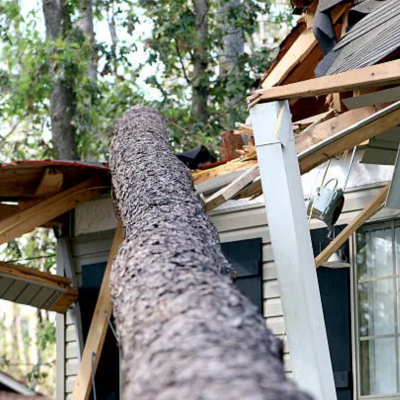
Cutting down a tree yourself may seem like the cheaper option, but mistakes often lead to far greater expenses. Emergency repairs, medical bills, or council fines can quickly wipe out any savings. A falling tree can crush roofs, fences, or vehicles in seconds. If a neighbour’s property is damaged, you may also be liable for costs. Worse still, serious injuries from chainsaw mishandling or falls from ladders are all too common in DIY attempts.

Councils in South-East Queensland may also issue penalties for removing trees without approval, especially for protected species or trees near boundary lines. A licensed arborist understands local laws and can help secure permits if needed.

What Makes a Tree ‘Too Big’ for Safe DIY Removal?

How Arborists Remove Large Trees Safely

Removing a large tree isn’t about brute force. It’s about precision, control, and teamwork. Certified arborists follow a structured process to dismantle trees in stages while keeping people and property safe.

  • Arborists begin with a full site inspection to assess tree condition, surroundings, access, and hazards before any cutting begins.
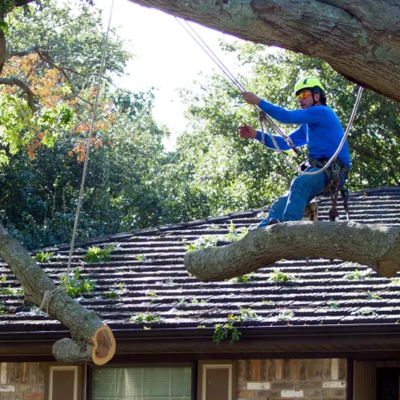
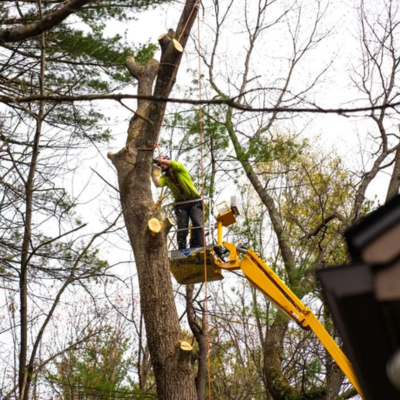
  • If the tree can’t be safely felled from the base, they use ropes, harnesses, and elevated platforms to work from the top down, limiting risk and improving control.
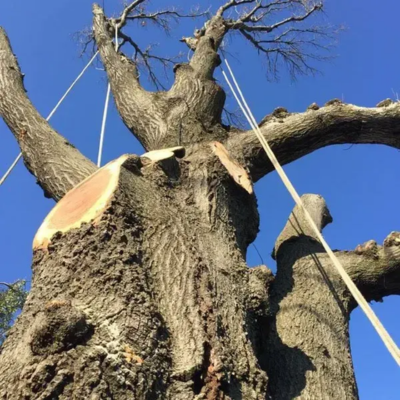
  • Trees are dismantled in controlled sections, with limbs and trunk pieces lowered to the ground using rigging systems to prevent uncontrolled falls.
  • Ground crew support is crucial, with a trained team clearing debris, managing traffic or pedestrian risks, and keeping the site safe throughout the process.
  • Once the tree is removed, the stump is either left at a safe height, cut flush to the ground, or ground out entirely using specialised equipment.
What Makes a Tree ‘Too Big’ for Safe DIY Removal?

These steps are carefully planned and executed to meet safety standards, insurance requirements, and environmental regulations. No DIY setup can match the level of care and control arborists bring to the job.

Why Certification Matters for Dangerous Tree Removal

Not all tree workers are equal. Choosing between tree loppers vs arborists can mean the difference between a safe removal and a high-risk job gone wrong. Certified arborists undergo formal training in tree biology, hazard identification, and advanced cutting techniques. They are also insured, compliant with local regulations, and equipped to handle dangerous situations without guesswork. Tree loppers, by contrast, may offer fast or cheap removals without a safety-first approach.

Hiring a certified arborist means working with someone who understands how to protect nearby structures, prevent tree-related damage, and deliver a clean result without shortcuts. It also ensures accountability should anything go wrong during the removal process.

What Makes a Tree ‘Too Big’ for Safe DIY Removal?

Don’t Risk It — Book a Professional Large Tree Removal

Big trees can add beauty and shade to your property, but when it’s time for removal, they demand care, skill, and equipment that goes beyond what most homeowners can manage. A qualified arborist protects not only your home and garden but your safety and legal standing too.

At O’Brien’s Tree Care, we provide safe, efficient large tree removal across South-East Queensland. Whether the tree is declining, overgrown, or too close to a structure, we’ll assess it and recommend the right removal method. Call us today on 0431 740 088 or get in touch with us online by clicking here.

FAQ: Large Tree Removal and Safety

Not always. Some trees are protected by local council rules, especially in urban areas. It’s best to check with your local authority or engage a certified arborist who can guide you through any required approvals.

The safest way is to remove it in sections from the top down using ropes and rigging. This should only be done by trained arborists with the proper equipment and crew support.

If it’s taller than your home, leans significantly, shows signs of decay, or is near structures or power lines, it’s best left to a professional.

Certified arborists are formally trained and qualified in tree health, safety, and legal compliance. Tree loppers may offer cheap cuts but often ignore safety, structural integrity, and local regulations.