Structural Damage
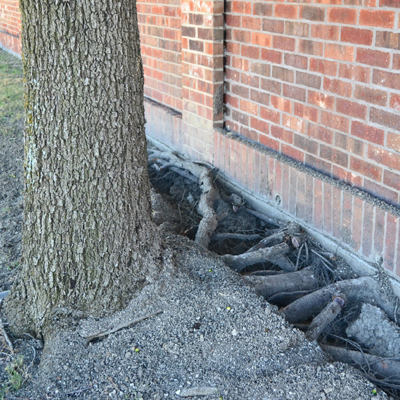
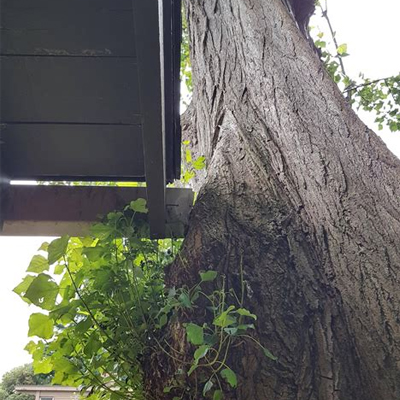
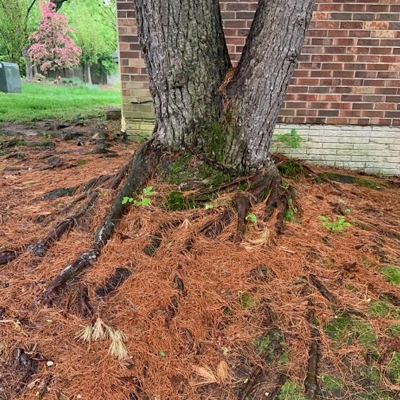
One of the primary concerns with trees growing too close to a house is the potential for structural damage. Tree roots can extend far beyond the canopy, sometimes two to three times the width of the branches. These roots can undermine your home’s foundation, leading to cracks, shifts, and instability. Additionally, roots may lift and crack driveways and sidewalks, creating uneven surfaces that pose tripping hazards.
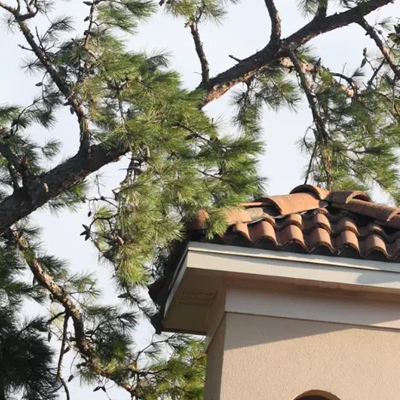
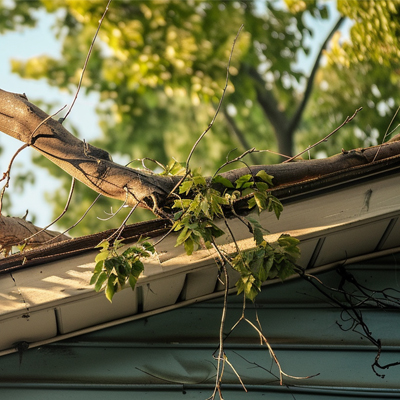
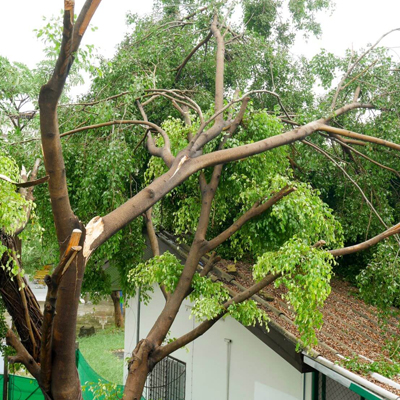
Overhanging branches can also cause damage to your roof. Branches that scrape against roofing materials can wear away metal sheeting or tiles over time, leading to leaks and water damage. Leaves and twigs can accumulate in gutters, causing blockages that prevent proper drainage and lead to water overflow. This overflow can damage exterior walls and the foundation.
Safety Hazards
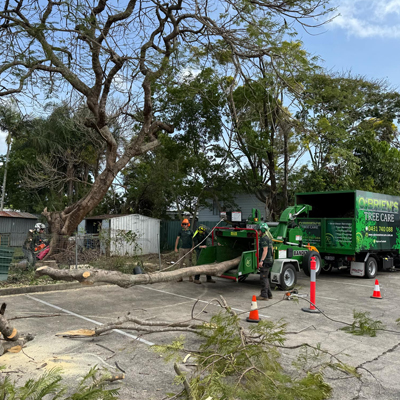
Trees that are too close to your home can pose significant safety risks. Dead or heavy branches may break off during storms or high winds, potentially injuring people below or damaging property. In severe cases, an entire tree can fall onto a house, causing extensive destruction and posing a serious threat to the occupants’ safety.
Moreover, overhanging branches provide easy access for pests like rodents and insects to enter your home. These unwanted guests can lead to infestations that are difficult and costly to eradicate. Certain tree diseases can also spread to nearby plants and may even affect wooden structures if wood-decaying organisms are involved.
Moisture and Mold Problems
Excessive shade from a closely situated tree can prevent sunlight from reaching your home, hindering the evaporation of moisture on walls and roofs. This persistent dampness can encourage the growth of mold and mildew, which not only damages your home’s exterior but can also affect indoor air quality if it penetrates the structure.