Falling Palm Fronds: Normal Growth or a Problem?

Falling palm fronds are a common sight, especially in warmer months or after periods of strong wind. Large, dry fronds can drop suddenly, creating noise, mess, and concern when they land near homes, vehicles, or walkways. Even when the palm looks otherwise healthy, repeated frond drop can raise questions about whether something is wrong.

Palm dropping fronds can be part of normal growth, but the pattern and frequency often determine whether it’s routine shedding or a sign of stress. Some palms release older fronds gradually, while others may drop multiple fronds in a short period under certain conditions. The difference is not always obvious without looking at how the palm is behaving over time.
Natural Frond Shedding in Palms

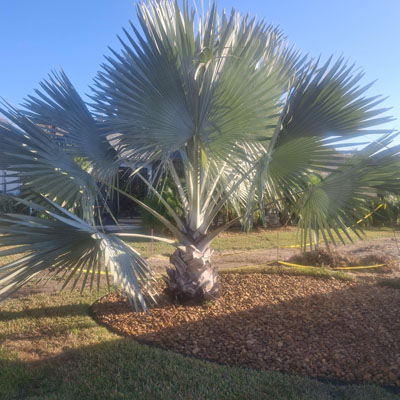
Palm trees replace older fronds as part of their normal growth cycle. As new fronds emerge from the crown, the lowest and oldest fronds gradually dry out and detach. This process helps the palm maintain a balanced canopy without carrying excess weight.

The rate of shedding varies depending on the species and growing conditions. Some palms release fronds one at a time, while others may shed more noticeably during warmer periods or after seasonal change. When frond drop follows a consistent pattern and the crown continues producing healthy new growth, it is usually part of normal development.

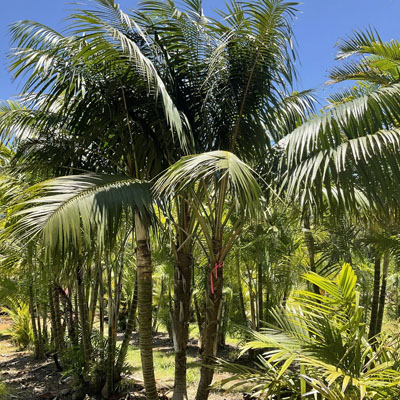
Natural palm frond shedding

Common Reasons Palm Fronds Fall More Often

Frond drop can increase when a palm is responding to changes in its environment or growing conditions. While some variation is normal, a noticeable increase in shedding usually reflects stress or seasonal influence rather than routine growth. Looking at recent conditions often explains the change.

  • Seasonal growth cycles can lead to periods where older fronds are shed more quickly as new growth accelerates.
  • Extended heat or dry conditions may cause palms to drop fronds to reduce moisture demand.
  • Sudden changes in watering or drainage can affect how the palm maintains foliage, leading to increased shedding.
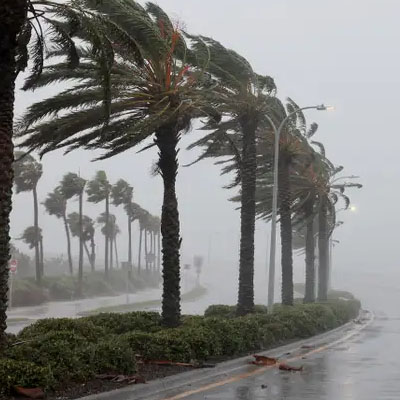
  • Storms and strong winds can loosen or damage fronds, causing them to fall sooner than expected.
  • Nutrient imbalance can weaken fronds over time, making them more likely to detach.
  • Species-specific behaviour means some palms naturally shed more frequently than others.
Palm fronds can fall during storm events

When these factors are present, increased frond drop is often a response to conditions rather than a sign of immediate decline.

When Falling Fronds Become a Safety Concern

Falling fronds become a safety concern when their size and weight create enough force to damage property or injure someone below. Mature palms can drop heavy fronds from significant height, and even a single fall can be a problem when the palm is close to roofs, vehicles, or outdoor areas. The taller the palm, the more serious the potential impact.

The concern also increases when shedding becomes frequent or unpredictable. A palm that drops fronds over driveways, walkways, or regularly used spaces creates a different level of risk than one shedding into an open garden bed. Once the pattern becomes harder to anticipate, the issue shifts from occasional cleanup to active hazard management.

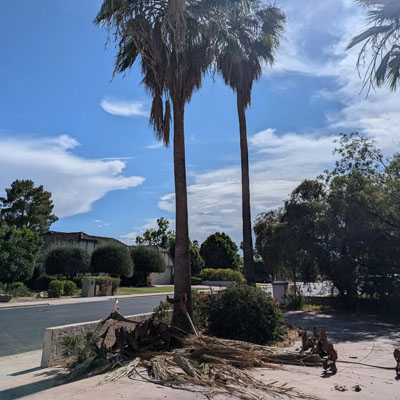
Large palm trees can create hazards

Signs Frond Drop Indicates a Larger Issue

While frond shedding is often normal, certain patterns can point to underlying stress or decline. These signs usually appear alongside increased drop and help distinguish routine growth from a developing problem.

  • Multiple fronds dropping within a short period, especially outside typical seasonal patterns.
  • Discolouration before shedding, such as yellowing or browning across large sections of the frond.
  • Reduced or irregular new growth emerging from the crown.
  • Fronds detaching while still partly green, rather than drying out fully first.
  • Changes in the crown structure, including gaps or uneven development at the top of the palm.

When these signs appear together, the palm may be responding to ongoing stress rather than following its normal growth cycle.

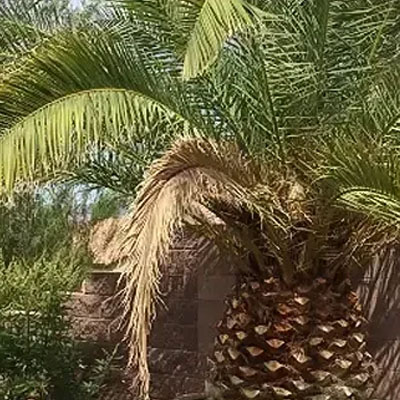
Leaf scorch due to extreme heat

Why Palms Can Appear Healthy Before Sudden Frond Loss

Palms can maintain a healthy appearance even while underlying stress is developing. The crown often continues producing new growth, which can mask changes affecting older fronds. This creates a delay between the initial cause and visible signs such as increased shedding.

As stress builds, older fronds are usually the first to be shed. This can happen without obvious warning, especially after periods of heat, moisture change, or nutrient imbalance. The sudden drop of multiple fronds is often the point where the issue becomes noticeable, even though the underlying conditions may have been present for some time.

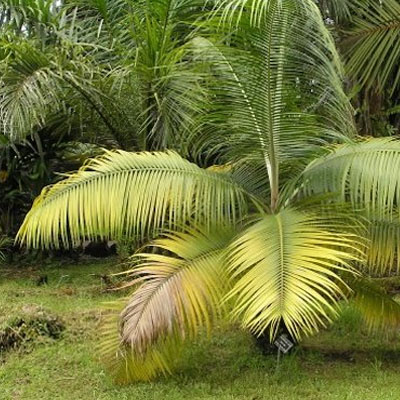
Palm fronds often look healthy in appearance before issues become apparent

What to Do When Palm Fronds Are Dropping Frequently

When frond drop becomes more frequent, the focus should be on patterns rather than reacting to individual falls. A sudden increase often reflects changing conditions rather than a single event. Taking a measured approach helps avoid unnecessary cutting or disturbance.

  • Monitor how often fronds are dropping and whether the pattern is changing over time. Consistent increases may indicate ongoing stress.
  • Avoid removing green or partially healthy fronds, as this can place additional strain on the palm.
  • Check the surrounding area for exposure risks, particularly if fronds are falling near structures or walkways.
  • Consider recent environmental changes such as heat, rainfall, or wind that may be influencing shedding.
  • Arrange a palm tree assessment if drop becomes irregular or excessive, especially when combined with changes in the crown.

Addressing the pattern early helps reduce risk and maintain the palm’s long-term condition.

What to Do When Palm Fronds Are Dropping Frequently

Concerned About Falling Palm Fronds?

If fronds are dropping more often or landing near structures, walkways, or vehicles, it may be time to look more closely at what is driving the change. Assessing the pattern of shedding and the condition of the crown helps determine whether the palm is behaving normally or responding to stress. To arrange advice or an onsite inspection, contact O’Brien’s Tree Care on 07 5497 3116 or info@obrienstreecare.com.au.

FAQ: Falling Palm Fronds

Yes. Palms regularly shed older fronds as part of their growth cycle. The lowest fronds dry out and fall as new ones develop from the crown.

The frequency depends on the species and growing conditions. Some palms shed gradually, while others may drop more fronds during certain seasons.

Yes, particularly with tall palms. Large fronds can cause damage or injury if they fall over roofs, vehicles, or walkways.

Removing fully dead fronds can reduce mess, but cutting green or partially healthy fronds can stress the palm and affect growth.

Not always. Increased shedding can be linked to heat, moisture changes, or seasonal patterns. Ongoing irregular drop may indicate stress.

Assessment is recommended when multiple fronds drop quickly, shedding becomes irregular, or changes appear in the crown.