Fungal Cankers: Why Wounds Become Entry Points for Disease

Trees are built with natural defences that protect their internal structure from moisture, insects, and pathogens. When that protective barrier is broken by storms, pruning, or physical damage, the exposed tissue becomes vulnerable almost immediately. Many disease issues begin not with a widespread infection, but with a single opening that allows organisms to move inside the tree.

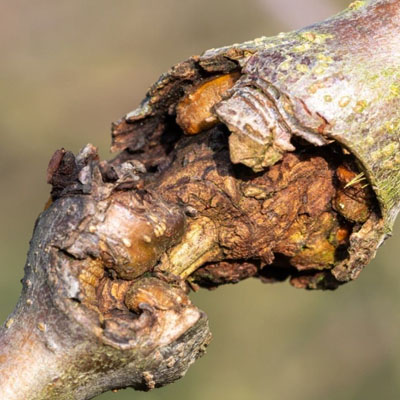
Fungal cankers develop when spores enter through these wounds and begin breaking down the surrounding tissue over time. The damage often progresses quietly beneath the bark, disrupting nutrient flow and weakening the affected branch or trunk section. By the time surface changes become obvious, the internal decline may already be well established.
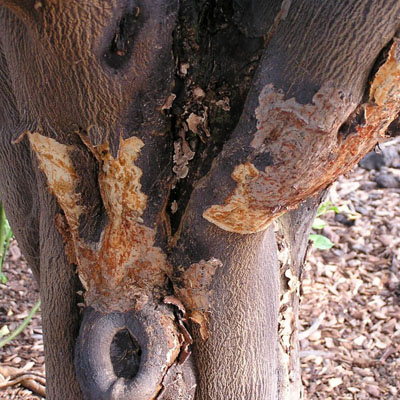
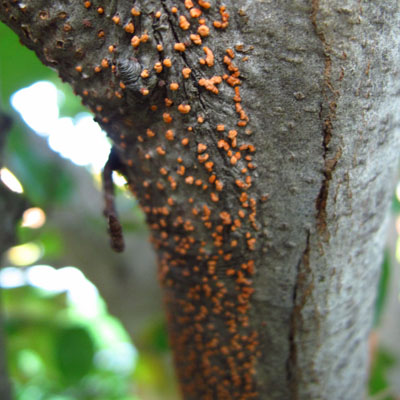
How Tree Wounds Turn Into Disease Entry Points

The outer bark of a tree acts as a physical barrier that limits moisture loss and blocks harmful organisms from reaching living tissue. When that barrier is broken, the soft inner layers are exposed to air, water, and spores that would normally be kept out. Even small wounds can provide enough access for fungal organisms to enter and begin colonising the area.

Moisture plays a major role once a wound is present, particularly during warm and humid conditions. Spores that land on exposed tissue can activate quickly and begin spreading through the surrounding wood. The longer a wound remains open and damp, the higher the chance that infection will establish before the tree has time to seal the injury.

Fungal Cankers: Why Wounds Become Entry Points for Disease

Common Causes of Wounds That Lead to Fungal Cankers

Tree wounds occur in many everyday situations, often without being noticed at the time they form. While some injuries appear minor on the surface, they can still create a direct access point for fungal organisms. These are the most common sources of damage that later develop into cankers.

  • Storm damage from high winds can snap small branches, tear bark, and create split points along limbs and trunks. These fresh breaks expose inner tissue and are highly vulnerable during warm, damp conditions.
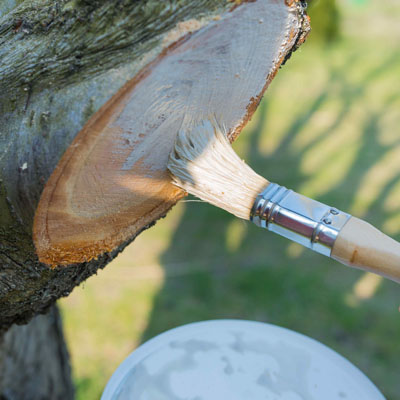
  • Poor pruning cuts can leave torn edges or oversized wounds that take longer to seal. Jagged cuts slow the natural closure process and increase moisture retention along the cut surface.
  • Equipment strikes from vehicles, trailers, or machinery can crush bark and inner wood in a single impact. Even when the surface looks lightly scuffed, deeper tissue may be compromised.
  • Lawn mowers and brush cutters regularly cause damage around the base of trees. Repeated contact in the same area weakens the trunk and creates recurring entry points.
  • Animal damage from chewing, rubbing, or clawing can strip bark and expose soft tissue. These injuries often occur at consistent heights and may worsen over time.
  • Heat stress and sun exposure can cause bark to crack on exposed sections of the trunk. These splits allow moisture and spores to penetrate once cooler, wetter weather returns.
Fungal Cankers: Why Wounds Become Entry Points for Disease

These types of wounds often appear separate from any visible disease at first. Over time, however, they create the exact conditions fungal organisms require to establish and spread within the tree.

What Fungal Cankers Do Inside the Tree

Once a fungal canker becomes established, it begins breaking down the living tissue beneath the bark. This disrupts the movement of water and nutrients through the affected area, placing strain on the branch or trunk section above it. As the flow becomes restricted, the tree struggles to support healthy growth in that zone.

Over time, the infected wood can weaken structurally as decay progresses. Branches affected by cankers may begin to decline gradually, showing reduced leaf growth before eventually dying back. When cankers develop on the main trunk, the long-term stability of the tree can be compromised as the internal structure continues to deteriorate.

Fungal Cankers: Why Wounds Become Entry Points for Disease

Visible Signs That a Canker Is Developing

Cankers often begin beneath the bark, which means the earliest changes can be easy to miss. Over time, surface features start to reflect the internal breakdown occurring inside the tree. These visible signs usually become clearer as the infection progresses.

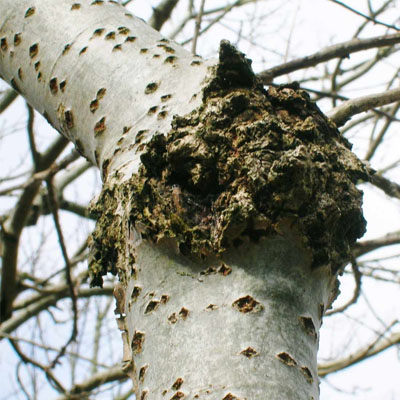
  • Sunken or flattened areas in the bark often mark where the underlying tissue has begun to collapse. These depressions usually contrast with the surrounding healthy bark.
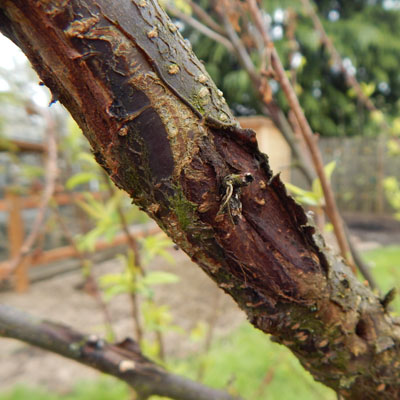
  • Cracking or splitting around a wound can occur as the infected tissue dries and loses strength. These openings allow increased moisture entry and further fungal activity.
  • Oozing sap or dark staining around an injured area is a common response to internal stress. This discharge often signals active tissue breakdown beneath the surface.
  • Swelling around the edges of a wound can form as the tree attempts to isolate the damaged zone. This uneven thickening shows the tree is under pressure trying to seal the infection.
  • Dead patches along branches where leaves fail to develop indicate that nutrient movement has been disrupted. These areas may gradually extend further along the limb.
Fungal Cankers: Why Wounds Become Entry Points for Disease

When several of these signs appear together, it usually indicates that the canker has been active for some time. Early identification allows for far better control before decline spreads further through the tree.

Why Cankers Often Worsen Without Early Action

Fungal cankers tend to worsen because the infection continues spreading through weakened tissue while the tree is still trying to isolate the damage. As moisture and spores remain active around the wound, the affected area can expand slowly in all directions beneath the bark. This ongoing internal breakdown reduces the tree’s ability to transport nutrients and support the structure above the infected zone.

Delays in addressing early signs also allow stress to compound across the canopy. As branches weaken and die back, the tree expends more energy trying to compensate, which reduces its overall resilience. Over time, this pattern can shift a localised problem into broader structural decline that becomes far harder to manage safely.

Fungal Cankers: Why Wounds Become Entry Points for Disease

Preventing Wounds That Lead to Fungal Cankers

Because fungal cankers rely on wounds as their entry point, prevention starts with reducing how often trees are injured in the first place. Many common sources of damage can be managed with simple awareness and good maintenance habits. These steps help limit exposure and support the tree’s natural protective barriers.

  • Scheduling pruning at the right time of year helps wounds seal more efficiently. Clean cuts made during appropriate conditions reduce moisture retention and limit the window for spores to enter.
  • Keeping machinery, vehicles, and trailers clear of tree trunks prevents impact damage that can crush bark and expose inner tissue. Even low-speed contact can lead to serious long-term infection points.
  • Maintaining a buffer zone around the base of trees protects trunks from lawn mower and brush cutter damage. Repeated minor strikes in the same area often become chronic wound sites.
  • Inspecting trees after storms allows fresh breaks and torn branches to be identified early. Prompt attention to storm damage reduces the time exposed tissue remains vulnerable.
  • Minimising stress on trees through proper watering and soil care supports faster natural wound response. A healthier tree is better able to compartmentalise injuries before fungal organisms take hold.
Fungal Cankers: Why Wounds Become Entry Points for Disease

Reducing the frequency and severity of trunk and branch injuries plays a major role in limiting canker development. When fewer openings are present, fungal organisms have far fewer opportunities to establish within the tree.

Concerned About a Tree With Possible Canker Damage?

If you have noticed unusual bark damage, oozing, or dying sections on a branch or trunk, early assessment can make a real difference to long-term tree stability. We examine wound sites, assess how far the damage has progressed, and provide clear guidance on safe next steps. To arrange an inspection, contact O’Brien’s Tree Care on 07 5497 3116 or info@obrienstreecare.com.au.

FAQ: Fungal Cankers

Some trees can slowly seal small cankers if the infection remains localised and the tree is otherwise healthy. However, many cankers continue expanding beneath the bark even when surface changes seem minor. Without intervention, complete natural recovery is uncommon once internal tissue decline has begun.

Cankers themselves do not spread directly from tree to tree, but the fungal spores responsible can move through wind, rain, and contaminated tools. If new wounds form on nearby trees, those spores can establish again under the right conditions. Clean pruning practices and careful wound management help reduce this risk.

Not every wound develops into a canker, especially when conditions are dry and the tree is healthy enough to seal the injury quickly. Problems arise when wounds stay open, moist, or stressed for extended periods. The longer exposed tissue remains vulnerable, the higher the likelihood of infection.

In some cases, removing affected branches can slow or stop the spread when the infection is confined to smaller limbs. When cankers develop on the main trunk, pruning alone is often not enough to resolve the issue. Each situation requires careful assessment to determine safe limits.

Some trees can coexist with cankers for many years if the infection remains contained and structural strength is preserved. Others decline far more quickly when nutrient flow becomes heavily restricted. The long-term outlook depends on where the canker is located and how aggressively it progresses.

Not always. Early-stage cankers affecting smaller branches may be managed through targeted pruning and ongoing monitoring. Advanced trunk cankers that weaken the main support structure often present higher risk and may require removal to maintain safety.