Is That Tree Dying? Signs of Decline You Shouldn’t Ignore

Trees are a vital part of any property, offering shade, beauty, and habitat for wildlife. However, when a dying tree goes unnoticed, it can quickly shift from an asset to a safety risk. Early detection of tree decline not only protects your home and garden but can also save the tree if intervention is possible. This is where a certified arborist can help, providing accurate assessments and practical solutions tailored to your property.

Leaving a declining tree untreated can lead to branch drop, structural failure, or the spread of disease to surrounding vegetation. In some cases, decay may progress unseen beneath the bark or within the root zone, making a professional tree inspection essential for understanding the true condition of the tree. Acting promptly can make the difference between recovery and removal.
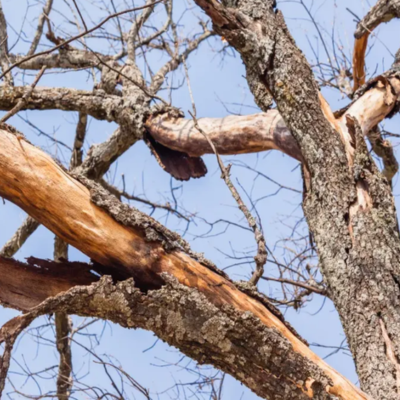
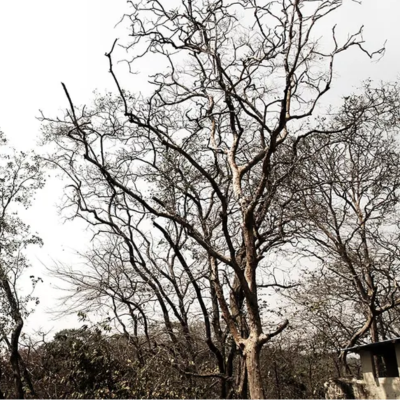
Why Tree Decline Should Be Taken Seriously

A dying tree is not just an eyesore; it can pose serious risks to people, property, and the environment. Weak or dead branches can fall without warning, potentially injuring people or damaging structures and vehicles. In high winds or storms, a tree in poor condition is far more likely to fail completely.

Beyond safety hazards, tree decline can have broader impacts. If the problem is due to pests or disease, the issue may spread to other plants in your garden or neighbouring properties. Decay in one tree can also destabilise soil around it, especially if roots are compromised, leading to erosion or changes in ground stability. Addressing tree decline early is a key part of responsible property care.

Is That Tree Dying? Signs of Decline You Shouldn’t Ignore

Common Signs a Tree May Be Dying

Recognising the signs of tree decline early allows you to take action before the situation worsens. While only a professional can confirm whether a tree is beyond saving, these warning signs can indicate that your tree needs attention from a certified arborist.

  • Leaves that wilt, yellow, or fall outside of their usual seasonal pattern may signal underlying health issues.
  • Large amounts of deadwood within the canopy suggest that the tree is struggling to maintain healthy growth.
  • Extensive bark peeling, splitting, or cracking can indicate disease, decay, or pest activity.
  • Mushrooms or fungal growth around the trunk or root flare often point to internal rot.
  • A noticeably sparse canopy compared to previous years may mean the tree’s ability to produce energy is declining.
  • Structural leaning or visible lifting of the root plate can show that the tree’s stability is compromised.
Is That Tree Dying? Signs of Decline You Shouldn’t Ignore

If one or more of these symptoms are present, the next step is a professional tree health assessment to confirm the cause and determine the best course of action.

Other Issues That Can Mimic Tree Decline

Not all signs of stress mean a tree is beyond saving. Environmental factors such as drought, excessive watering, soil compaction, or poor drainage can cause temporary decline that looks similar to disease or structural failure. Severe weather events, like hail or high winds, may also cause visible damage that the tree can recover from with proper care.

Pests, too, can cause visible symptoms without necessarily dooming the tree. In these cases, targeted treatment and improved growing conditions may restore health. This is why a tree inspection by a certified arborist is so valuable — it ensures the right diagnosis is made and prevents unnecessary removal of a tree that could otherwise recover.

Is That Tree Dying? Signs of Decline You Shouldn’t Ignore

How Arborists Diagnose Tree Health

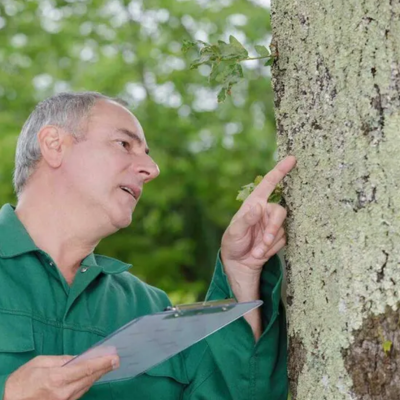
When assessing a tree that appears to be in decline, certified arborists use their training and experience to look beyond surface symptoms. Their evaluation is methodical and considers both the visible signs and the less obvious factors that affect tree health.

  • Inspecting the canopy, trunk, and root zone for structural weaknesses, disease symptoms, and pest damage.
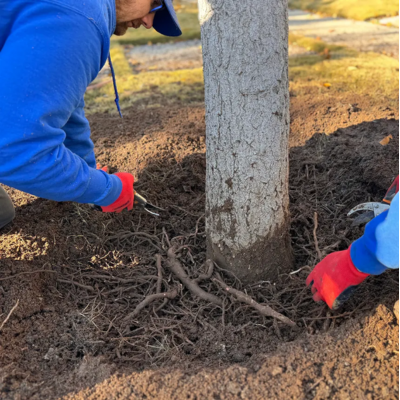
  • Assessing soil conditions, moisture levels, and potential compaction around the base of the tree.
  • Identifying signs of fungal growth, borers, or other pathogens, and evaluating their impact on the tree’s vitality.
  • Determining whether pruning, fertilisation, or pest management could restore health before considering removal.

By following a structured process, arborists can provide a clear diagnosis and recommend treatments that are safe, effective, and compliant with any local regulations.

Is That Tree Dying? Signs of Decline You Shouldn’t Ignore

Why Certification Matters in Tree Health Assessments

Tree health assessments require a combination of technical knowledge, safety awareness, and an understanding of local laws. A certified arborist has completed formal training in tree biology, hazard identification, and industry safety practices. They also carry insurance to protect you and your property during the assessment and any follow-up work.

Unqualified operators may overlook underlying problems, misdiagnose the cause of decline, or recommend unnecessary removal. Choosing a certified arborist ensures you receive accurate information and solutions that protect your landscape and meet legal obligations.

Is That Tree Dying? Signs of Decline You Shouldn’t Ignore

Taking Action When You Suspect Tree Decline

If you believe a tree on your property is dying, acting promptly can reduce risks and may even save it. Observing and recording changes over time gives a certified arborist valuable insight into the tree’s history and current condition. Avoid making cuts or applying treatments before you know the exact cause, as the wrong intervention can make the problem worse.

  1. Contact a certified arborist for a professional tree inspection to confirm the cause of decline.
  2. Keep seasonal records of canopy density, leaf colour, and flowering or fruiting patterns to track changes.
  3. Maintain a safe distance from visibly weakened trees during high winds or storms to reduce personal risk.

Following these steps gives you the best chance of a safe and effective outcome. Whether the solution involves targeted treatment or safe removal, a structured approach ensures your property and trees are managed with care.

Is That Tree Dying? Signs of Decline You Shouldn’t Ignore

Book a Professional Tree Health Check

Your trees are a valuable part of your property, but their health can change over time. Identifying and addressing the signs of a dying tree early is the best way to protect your investment, safety, and the surrounding landscape. At O’Brien’s Tree Care, our certified arborists provide detailed tree health assessments across South-East Queensland, offering practical, tailored recommendations for each unique situation.

If you’re concerned about a tree on your property, call us today to arrange a professional inspection. We’ll help you make informed decisions that keep your trees and property in their best possible condition. Call us today on  0431 740 088 or get in touch with us online by clicking here and let our qualified, experienced arborists determine the best course of treatment for your trees.

FAQ: Identifying and Managing Tree Decline

A dying tree often shows multiple symptoms at once, such as leaf loss outside the normal season, large amounts of deadwood, or fungal growth at the base. Stress from drought or pests may look similar but is usually reversible with proper care. A certified arborist can determine the difference through a professional tree inspection.

In some cases, yes. If the decline is caused by pests, nutrient deficiencies, or environmental stress, targeted treatment and pruning may restore health. However, if the tree is structurally compromised or has extensive decay, removal is often the safest option.

Yes. A weakened tree can drop branches or fall unexpectedly, especially in storms. This can cause injury, property damage, or block access to your home. If you suspect a tree is dying, arrange a professional assessment promptly.

In South-East Queensland, certain trees are protected even if they are declining. Local council rules vary, so always check before removing a tree. A certified arborist can help identify if approvals are needed and assist with the permit process.

For mature or high-value trees, an inspection every one to two years is recommended. Properties with large or old trees, or those in storm-prone areas, may benefit from more frequent assessments.