Safeguard Your Home by Removing Dangerous Trees

Trees add beauty and value to any property, but when a tree becomes dangerous, it can pose significant risks to both your home and your safety. Whether due to disease, damage, or old age, dangerous trees can cause severe harm if not addressed promptly. Identifying and removing these trees is crucial in safeguarding your property and ensuring the safety of those around you.
Identifying a Dangerous Tree

Signs of a Hazardous Tree:

  • Dead or Decaying Branches: One of the most visible signs of a dangerous tree is the presence of dead or decaying branches. These branches are more likely to break off during high winds or storms, posing a risk to anything below.
  • Cracks or Splits in the Trunk: Cracks or splits in the tree’s trunk can indicate structural weakness. Over time, these fissures can expand, increasing the likelihood of the tree breaking apart.
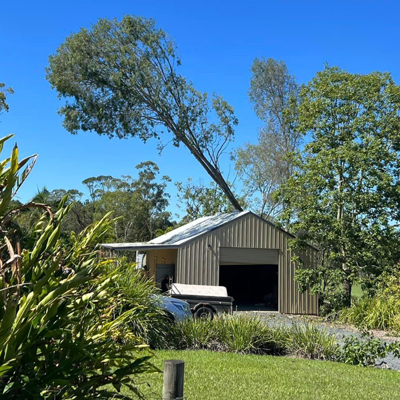
  • Leaning Trees: While some trees naturally grow at an angle, a sudden or significant lean can indicate root damage or a weakened structure, making the tree more prone to falling.
  • Exposed or Damaged Roots: Roots anchor a tree, and when they are damaged or exposed, the tree loses its stability. This can lead to the tree toppling over, especially in adverse weather conditions.
  • Fungal Growth or Cavities: The presence of fungi, such as mushrooms growing at the base, can be a sign of decay inside the tree. Cavities in the trunk or branches also indicate internal damage, weakening the tree’s overall structure.

Why Early Identification Is Key:

  • Preventing Accidents and Property Damage: Early identification of dangerous trees allows you to address potential risks before they cause harm. Removing a hazardous tree before it falls can prevent injuries, fatalities, and significant property damage.
  • Avoiding Costly Emergency Removals: Dealing with a tree that has already fallen or is on the verge of collapse can be more complicated and expensive than removing it preemptively. Early action helps you avoid these higher costs and the urgency of an emergency situation.
Removing Dangerous Trees

Identifying the signs of a dangerous tree early on not only protects your property but also ensures the safety of everyone around. Taking proactive steps to address these issues is the best way to prevent accidents and costly emergency situations.

Risks Posed by Dangerous Trees

Dangerous trees can pose a variety of risks to both people and property. Understanding these risks is crucial in recognizing the importance of timely removal.

Potential Hazards:

  • Falling Branches: One of the most immediate dangers of a hazardous tree is the potential for falling branches. Even relatively small branches can cause serious injury or damage when they fall, especially during high winds or storms.
  • Uprooting: Trees with compromised root systems or structural weaknesses are at risk of being uprooted during severe weather. An uprooted tree can cause significant damage to homes, vehicles, and power lines.
  • Threats to Infrastructure: Trees growing near power lines, roads, or buildings pose additional risks. A falling tree or branch can disrupt power, block access, or damage structures, leading to costly repairs and potential safety hazards.

Real-Life Examples:

  • Injury and Fatality Risks: There have been numerous incidents where falling trees or branches have caused injuries or even fatalities. These tragic events underscore the importance of addressing hazardous trees before they become a serious threat.
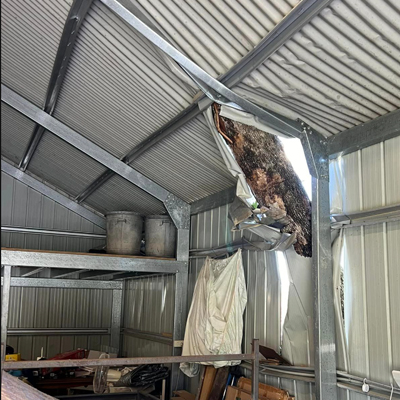
  • Property Damage: Cases of uprooted trees causing extensive damage to homes and vehicles are common, especially following storms. Such incidents often result in expensive emergency removals and repairs, which could have been avoided with proactive tree care.

Recognizing the risks posed by dangerous trees is essential in understanding why timely removal is so important. Addressing these risks early on can prevent accidents, protect property, and save lives.

The Removal Process

When a tree is identified as dangerous, prompt removal is often the best course of action to ensure safety and prevent further risks. Understanding the steps involved in the tree removal process can help you make informed decisions.

When to Consider Removal:

  • Tree’s Condition Is Beyond Saving: If a tree is severely damaged, diseased, or decayed, and cannot be restored to a safe condition, removal is necessary. Waiting too long increases the risk of the tree falling or causing other damage.
  • Proximity to Buildings or Power Lines: Trees that are too close to homes, power lines, or other structures pose a significant threat if they fall. Removing these trees preemptively can prevent costly damage and dangerous situations.
  • Risk of Falling During Storms: Trees that are already leaning, have weakened roots, or are structurally compromised are more likely to fall during storms. Removal before storm season can mitigate this risk.

Steps Involved in Safe Removal:

  • Professional Assessment and Planning: The first step in tree removal is a thorough assessment by a certified arborist. They will evaluate the tree’s condition, the potential risks, and the safest way to remove it.
  • Permits and Regulations: Depending on your location, removing a tree may require permits or adherence to local regulations. A professional arborist can help navigate these requirements to ensure compliance.
  • Execution by Certified Arborists: Tree removal is a complex and hazardous task that should be performed by experienced professionals. Certified arborists use specialised equipment and techniques to safely bring down the tree without causing damage to surrounding structures.
  • Post-Removal Site Inspection and Cleanup: After the tree is removed, the site is inspected to ensure all debris is cleared and the area is safe. Stump grinding may also be performed to remove any remaining parts of the tree, leaving the site ready for future use.
Removing Dangerous Trees

Understanding the removal process helps homeowners make informed decisions and ensures that dangerous trees are handled safely and efficiently.

Why Professional Help Is Essential

Removing a dangerous tree is not a task to be taken lightly. The complexities and risks involved make it crucial to seek professional assistance. Here’s why relying on certified arborists is the safest and most effective approach.

Safety Considerations:

  • Dangers of DIY Tree Removal: Attempting to remove a tree yourself can be extremely dangerous. Without the proper knowledge and equipment, there’s a high risk of injury or further property damage. Falling branches, mishandled tools, and unexpected tree movements are just a few of the hazards involved.
  • Expertise and Equipment: Certified arborists are trained in the latest safety standards and use specialised equipment to manage the complexities of tree removal. Their expertise ensures that the process is carried out safely, minimising the risk to people and property.

Benefits of Hiring an Arborist:

  • Ensuring Thorough and Safe Removal: Arborists assess the entire situation, considering all potential risks and challenges. They develop a removal plan that prioritises safety and efficiency, ensuring the job is done right the first time.
  • Protecting Surrounding Structures and Landscapes: Professional arborists take great care to protect your property during the removal process. They use techniques that prevent damage to nearby structures, other trees, and the landscape itself.
    Peace of Mind: Hiring a professional gives you peace of mind, knowing that the tree removal is being handled by someone with the experience and knowledge to do it safely and correctly.
Removing Dangerous Trees

Entrusting the removal of a dangerous tree to a professional not only ensures the safety of your property but also provides confidence that the job will be completed with care and precision.

Trust the Pros for Your Tree Removal Needs

While identifying and removing dangerous trees is crucial for safeguarding your home, it’s not a job to tackle on your own. The risks involved and the expertise required make it essential to hire a qualified arborist. At O’Brien’s Tree Care, we specialise in safely and efficiently removing hazardous trees, protecting your property and giving you peace of mind.

Don’t wait until it’s too late—contact O’Brien’s Tree Care today to schedule a consultation and ensure that your trees are assessed and handled by professionals who prioritise your safety. To talk with one of our qualified arborists about a concerning tree on your property, call 0431 740 088 or get in touch with us online by clicking here.