Sudden Leaf Drop: Why Healthy Trees Sometimes Shed Early

A burst of leaves on the ground can be alarming when the tree still looks healthy. Sudden leaf drop often happens after heat spikes, dry winds, or abrupt weather changes, and it can affect even well-established trees. The pattern, timing, and extent of the shed tell more than the event itself, which is why a closer look at site and season is essential.

Some episodes are temporary and resolve as moisture levels stabilise and new growth resumes. Others point to deeper issues such as root stress, drainage problems, or early signs of disease. By assessing what changed on the property and how the canopy responds over the next weeks, property owners can decide whether simple care is enough or a professional inspection is needed.
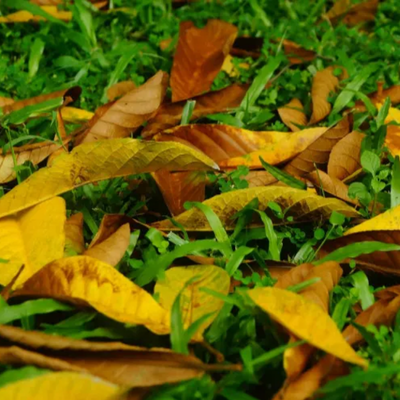
When Sudden Leaf Drop Is Normal

Not all early shedding signals decline. Deciduous trees often drop a portion of older leaves ahead of seasonal change, especially after a hot spell followed by cooler nights. Recently transplanted trees can also shed as they balance limited root uptake with canopy demand. In each case, the shed is short-lived, followed by stable colour and fresh growth as conditions settle.

Short bursts of wind scorch or heat can trigger protective shedding on sun-exposed sides of the canopy. If soil moisture is adequate and new buds remain firm along the twigs, the tree typically rebounds without intervention. A light clean-up and routine watering are usually all that is needed before the canopy evens out again.

Sudden Leaf Drop: Why Healthy Trees Sometimes Shed Early

Warning Patterns That Signal Trouble

Some shedding events point to more than a short-term response to weather. The way leaves drop, where they drop from, and what the leaves look like can signal stress that needs attention. Patterns are more reliable than single moments, so a quick check of location and frequency helps build a clearer picture.

Sudden Leaf Drop: Why Healthy Trees Sometimes Shed Early

If one or more of these patterns is present, the tree may be struggling with more than heat or wind. At this stage, basic watering alone rarely solves the problem, and a focused check of roots, soil, and canopy health is the next best step.

Common Causes Behind Early Leaf Shed

Water stress is one of the most frequent triggers of sudden leaf drop. Drought limits uptake at the roots, while overwatering reduces oxygen in the soil and can lead to root decline. Poor drainage or compacted ground compounds both problems by trapping water near the surface and starving deeper roots. Heat spikes and dry winds intensify moisture loss through leaves, so trees shed to reduce demand and protect remaining tissue.

Root zone disturbance is another major cause. Trenching, paving, or heavy vehicle traffic can sever or crush roots, which then disrupts water and nutrient movement to the canopy. Diseases such as anthracnose or bacterial leaf scorch, and pests such as borers or sap-sucking insects, add further stress that shows up as premature shed. Chemical exposure from herbicides or cleaning products can also cause sudden drop, especially along fencelines and driveways where drift or spills occur.

Sudden Leaf Drop: Why Healthy Trees Sometimes Shed Early

How Arborists Diagnose the Cause

A sudden shed can look simple on the surface, but the reasons behind it are often layered. Arborists use a structured process that links canopy symptoms with what is happening in the soil, roots, and site conditions. This avoids guesswork and directs care to the real issue rather than masking the problem.

  • Canopy mapping: The pattern of drop is noted across the tree. Affected sectors, branch heights, and sun-exposed faces are compared to see if the issue is general, weather related, or localised to one side.
  • Leaf and twig inspection: Fallen leaves and attached twigs are checked for scorch, spotting, pests, or nutrient cues. The presence of firm buds along twigs helps predict recovery potential.
  • Soil moisture and drainage checks: Simple field tests confirm whether the root zone is dry, waterlogged, or compacted. Wet pockets near the surface with dry subsoil point to poor infiltration.
  • Root and bark assessment: The area around the trunk is examined for mower injuries, trenching, new paving, or uplifted roots. Entry holes, staining, or oozing suggest pest or pathogen pressure.
  • Irrigation and site history review: Recent changes to watering, new hard surfaces, chemical use, or nearby construction are logged to connect timing of the shed with site events.
Sudden Leaf Drop: Why Healthy Trees Sometimes Shed Early

By assembling these findings, arborists can separate weather-triggered shedding from problems that will not resolve on their own. The result is a clear plan that might involve watering changes, soil improvement, pruning at the right time, or treatment where pests or disease are involved.

What You Can Do Right Now

Start by observing rather than reacting. Note when the shed began, which parts of the canopy are affected, and whether it follows heat, wind, or changes to watering. Check soil moisture at spade depth to see if the root zone is dry or waterlogged. Clear fallen leaves from gutters and paths, then leave a layer beneath the tree as natural mulch if it is not diseased. If irrigation is on a timer, verify that runtimes suit the season and soil type.

Avoid quick fixes that can make problems worse. Hold off on heavy fertiliser until the cause is confirmed, because stressed roots may not process added nutrients. Water deeply but not every day, aiming to moisten the soil profile rather than the surface alone. Keep traffic, equipment, and storage off the root zone to reduce compaction while the tree recovers. If leaf drop continues or spreads, arrange a tree health assessment so an arborist can confirm next steps.

Sudden Leaf Drop: Why Healthy Trees Sometimes Shed Early

Prevention for the Next Season

The best way to avoid sudden leaf drop is to build resilience before hot, dry, or windy conditions arrive. Small, consistent habits protect roots, stabilise moisture, and reduce canopy stress during peak weather events.

  • Set a deep-watering routine: Water less often but long enough to reach the primary root zone. Adjust frequency for soil type, slope, and species.
  • Mulch correctly: Apply a 5-8 cm layer of organic mulch, keeping it clear of the trunk collar. Mulch moderates temperature, limits evaporation, and improves soil over time.
  • Protect root zones: Keep vehicles, skips, and heavy foot traffic off critical root areas. Use temporary barriers during landscaping or building works.
  • Time pruning wisely: Schedule structural or weight-reduction pruning outside heatwaves and severe dry periods. Clean cuts reduce stress and help the tree recover efficiently.
  • Improve soil and drainage: Break up compaction, add organic matter where appropriate, and correct surface grading so water infiltrates instead of pooling or running off.
  • Monitor irrigation systems: Check emitters, timers, and coverage at the start of summer. Look for blocked drippers, uneven spray, or leaks that create wet and dry patches.
Sudden Leaf Drop: Why Healthy Trees Sometimes Shed Early

Taken together, these practices create steadier conditions through the hottest months and reduce the chance of stress-driven shed. A seasonal check with a certified arborist can fine-tune watering, pruning, and soil management so trees head into summer with the best chance of holding canopy.

Restore Canopy Health with Targeted Care

Sudden leaf drop can be a short-lived response to weather, or a sign that roots and soil are under strain. The quickest way to protect the tree is to stabilise moisture, reduce additional stress around the root zone, and monitor how the canopy responds over the next few weeks. When shedding persists or repeats, the cause is usually deeper than a one-off heat spike, and targeted care will be needed.

O’Brien’s Tree Care provides tree health assessments across South-East Queensland to identify the drivers behind early leaf shed. Our certified arborists examine canopy patterns, soil conditions, and site history to recommend practical steps that support recovery. If your trees have dropped leaves suddenly and are not bouncing back, contact us on 0431 740 088 or by clicking here to arrange an inspection and a plan that keeps your landscape resilient.

FAQ: Sudden Leaf Drop

No. Short, weather-related shedding can happen after heat spikes or dry winds and may resolve as conditions stabilise. Ongoing or repeated shed suggests deeper stress.

Green leaves dropping often points to sudden water stress, root disturbance, or chemical drift. It is less likely to be a normal seasonal change if leaves fall while still green.

Not by itself. If roots are stressed or soil is waterlogged or compacted, fertiliser can add strain. Confirm the cause first, then adjust watering and soil conditions before any feeding.

Yes. High temperatures and low soil moisture increase leaf water loss. Trees shed to reduce demand. Deep, infrequent watering and mulch help the canopy recover.

Localised shed often aligns with sun exposure, wind, or root damage from trenching and traffic. Check site changes on that side, including irrigation coverage and soil compaction.

If shedding persists for several weeks, recurs each season, or appears with other signs like twig dieback, bark cracks, or oozing sap, book a tree health assessment for a clear diagnosis.