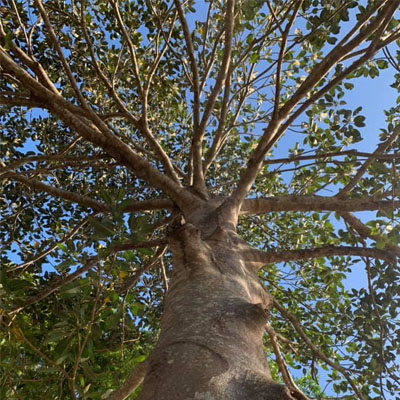
Thinning Foliage: What It Says About Your Tree’s Health

A tree that once looked full can gradually become more open, allowing more light to pass through the canopy. This change is often subtle at first, with gaps appearing between branches or leaves becoming less dense than in previous seasons. Because the structure of the tree remains in place, thinning foliage can go unnoticed until the difference becomes more obvious.

Thinning foliage is usually a response to changing conditions rather than a single event. Trees adjust growth based on available moisture, soil conditions, root health, and environmental stress. When these factors shift over time, the canopy may lose density even while the tree remains alive and standing.
Changes in Foliage Density Over Time

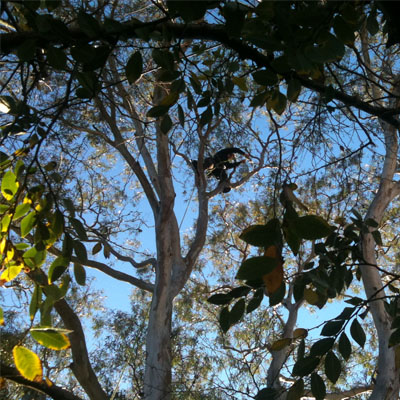
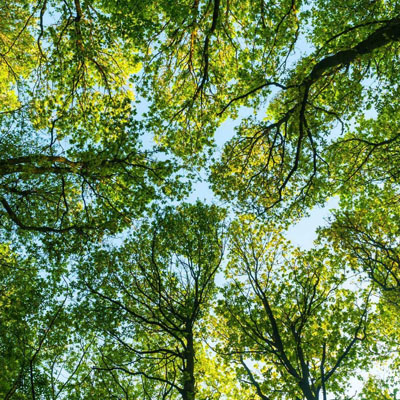
Foliage density in a tree is not fixed and can shift gradually as conditions change. Seasonal variations may cause slight differences in leaf coverage, but a consistent reduction over time usually points to underlying stress. These changes often develop slowly, which is why the canopy can appear normal until gaps become more noticeable.

A healthy tree typically maintains a balanced canopy, with new growth replacing older leaves each season. When that balance is disrupted, the canopy may begin to thin as fewer leaves are produced or retained. This shift does not always occur evenly, and early changes may only be visible in certain sections of the tree.

Thinning Foliage: What It Says About Your Tree's Health

Common Causes of Thinning Foliage

Thinning foliage is usually the result of ongoing stress rather than a single issue. Several factors can affect how a tree produces and maintains leaf growth, often working together over time. Identifying the likely cause helps determine whether the change is temporary or part of a broader decline.

When multiple factors are present, thinning foliage is more likely to continue rather than resolve on its own.

Why Thinning Often Starts in Specific Areas

Thinning rarely affects the entire canopy at once. It often begins in areas where the tree is under the greatest stress, such as the upper canopy, one side of the tree, or the inner branches. These patterns can provide useful clues about what is influencing growth.

Exposure plays a major role in where thinning appears first. Sections facing strong sun, wind, or reflected heat may lose density sooner due to increased moisture demand. In contrast, inner canopy areas may thin when light levels drop, causing the tree to prioritise outer growth instead. Root-related stress can also show on one side if soil conditions or disturbances are uneven across the root zone.

Tree Foliage often starts thinning in specific areas

Signs Thinning Indicates a Larger Problem

Thinning foliage on its own does not always signal decline, but certain patterns can point to deeper issues affecting the tree’s ability to sustain growth. These signs often develop alongside reduced density and help indicate whether the change is progressing.

  • Repeated thinning across multiple seasons rather than a one-off response to weather. Ongoing reduction suggests a sustained underlying issue.
  • Smaller or weaker leaves compared to previous growth. Reduced leaf size often reflects limited resources reaching the canopy.
  • Dieback at branch tips where outer growth begins to fail. This can indicate stress moving beyond foliage into structural areas.
  • Delayed or uneven regrowth after seasonal change. Slower recovery may show the tree is struggling to respond.
  • Uneven canopy density with one side or section becoming noticeably thinner than the rest.

When these signs appear together, the tree may be under cumulative stress rather than responding to a temporary condition.

Why Trees Can Stay Alive While Losing Density

Trees can maintain basic function even as foliage density declines. Stored energy within the trunk and branches allows the tree to continue supporting growth, even when conditions are limiting new leaf production. This can give the appearance of stability despite ongoing stress.

Over time, the tree may prioritise survival over canopy fullness. Energy is directed toward maintaining essential systems rather than producing dense foliage. This is why thinning can continue gradually without immediate collapse, making it important to recognise early changes before they progress further.

Uneven foliage density across a mature tree canopy

What to Do When Foliage Continues to Thin

When foliage density continues to decline, the focus should be on identifying patterns rather than reacting to a single change. Thinning that progresses over multiple seasons usually reflects ongoing stress, and quick fixes rarely address the underlying cause. A measured approach helps avoid actions that may worsen the situation.

  • Monitor changes over time by noting where thinning is occurring and whether it is spreading. Patterns often reveal the source of stress.
  • Avoid reactive pruning aimed at “tidying” the canopy. Removing additional foliage can increase stress rather than improve growth.
  • Check the root zone for disturbance such as compaction, changes in soil level, or recent construction activity.
  • Consider recent environmental conditions including heat, rainfall, and exposure changes that may be influencing the canopy.
  • Arrange a tree assessment if thinning continues or is accompanied by other signs such as dieback or reduced leaf size.

Addressing thinning foliage early improves the chances of stabilising the tree before more significant decline develops.

Concerned About Thinning Foliage in Your Trees?

If a tree on your property is becoming less dense over time, early assessment can help identify whether the change is temporary or part of a broader decline. Looking at canopy patterns, root conditions, and recent environmental factors provides a clearer picture of what is affecting growth. To arrange advice or an onsite inspection, contact O’Brien’s Tree Care on 07 5497 3116 or info@obrienstreecare.com.au.

FAQ: Thinning Foliage

Some seasonal variation is normal, but consistent thinning over multiple seasons usually indicates ongoing stress. The pattern and progression of the change are more important than a single observation.

If the underlying cause is temporary, regrowth may occur in the following season. When thinning continues or worsens, recovery becomes less likely without addressing the source of stress.

Pruning does not increase leaf density and may reduce it further if too much foliage is removed. It is usually better to identify the cause before making changes to the canopy.

Extended dry or hot conditions can reduce foliage density as trees conserve resources. Recovery depends on whether conditions return to normal and whether the tree remains otherwise healthy.

Sap-feeding insects and other pests can weaken leaves over time, leading to reduced canopy density. Ongoing activity can contribute to gradual thinning.

Assessment is recommended when thinning continues across seasons, spreads through the canopy, or appears alongside other changes such as dieback or smaller leaves.