What Affects Residential Land Clearing Cost?

Residential land clearing can involve anything from reclaiming an overgrown backyard to preparing a vacant block for a new home. Although both fall under the same service, the amount of work required and the condition the land needs to be left in can be considerably different.

The cost of residential land clearing depends on the existing condition of the property and what the owner wants to achieve. Clearing every tree, stump and patch of vegetation may not be necessary, particularly where only part of the land needs to be made usable. Defining the intended use of the space before work begins can help establish a more accurate project budget and avoid paying for unnecessary clearing.
Block Size Is Only Part of the Cost

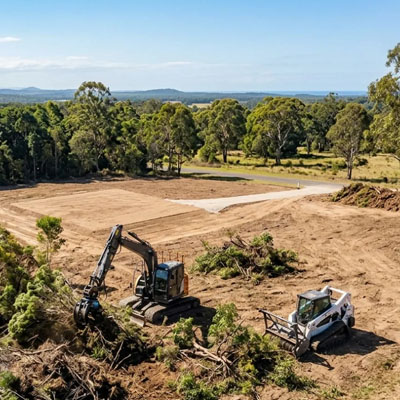
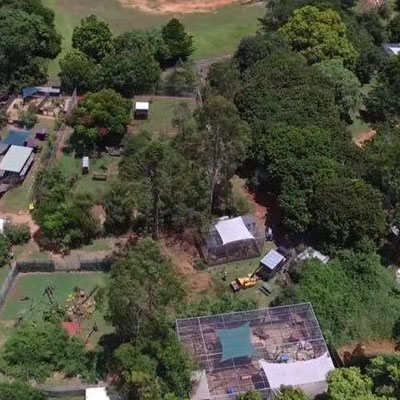
The cost of clearing a block of land is not necessarily proportional to its total area. A large residential block with scattered trees and relatively open ground may require less work than a smaller property covered in dense vegetation. The number of trees, the extent of overgrowth and the concentration of vegetation within the clearing area provide a better indication of the workload than the property dimensions alone.

For this reason, two blocks of the same size can receive substantially different quotes. Pricing based purely on square metres may not accurately reflect the time required to clear each site, particularly where vegetation is unevenly distributed. Assessing the actual area requiring work provides a more reliable basis for estimating the cost.

What Affects Residential Land Clearing Cost - Block size only part of the cost consideration

The Type and Density of Vegetation

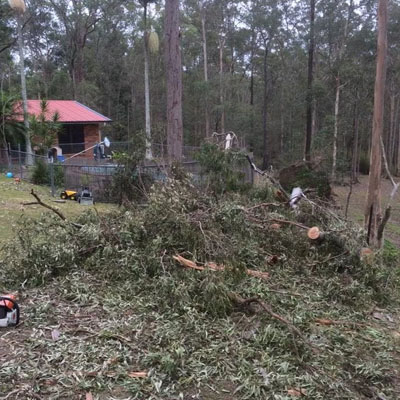
Different types of vegetation require different clearing methods, from mechanical mulching of low growth to the controlled removal of established trees. The mixture of vegetation across a property can therefore have a significant influence on the labour and equipment required for residential land clearing.

  • Grass, weeds and low vegetation can generally be cleared relatively quickly using suitable machinery.
  • Dense scrub and tangled undergrowth may require heavier equipment to process thick or woody growth.
  • Small trees and saplings may need to be cut individually or processed using vegetation mulching equipment.
  • Large established trees may require professional tree removal, particularly where surrounding property limits how they can be brought down.
  • Existing stumps may require separate grinding or removal if they interfere with the intended use of the land.
What Affects Residential Land Clearing Cost - Land density and vegetation

Properties containing several vegetation types may require a combination of clearing methods rather than a single piece of machinery. This can increase mobilisation costs and the time required to complete the work, particularly where specialist tree removal equipment is needed.

Site Conditions and Machinery Access

A level block with a wide entrance allows machinery to move freely between the clearing area and the loading or processing point. Steep slopes, uneven terrain and soft ground can restrict machine movement, reduce operating speeds or require equipment better suited to the conditions. Clearing may also need to be completed in stages where parts of the property are difficult to reach.

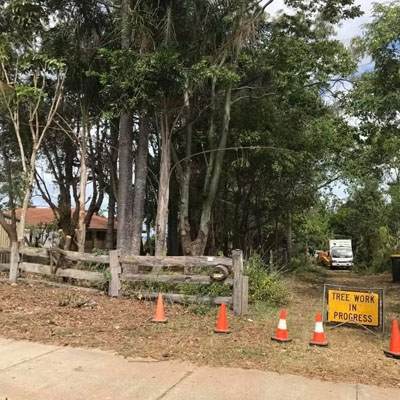
Existing residential properties present additional challenges, particularly when machinery needs to pass between buildings or work around fences, drainage systems and underground services. These restrictions can increase land clearing costs by limiting the size of equipment that can be used or requiring more manual work in areas that machinery cannot safely reach.

What Affects Residential Land Clearing Cost - Access restrictions

Clearing the Entire Block May Not Be Necessary

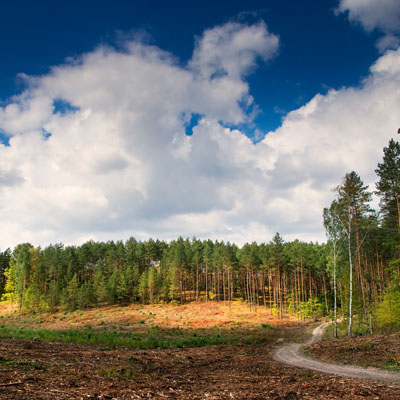
Selective land clearing allows property owners to retain suitable established trees and vegetation while opening up areas needed for construction, vehicle access or additional outdoor space. Keeping healthy trees that provide shade, privacy or screening can also reduce future landscaping expenses. Limiting clearance to the areas that genuinely need work may lower the initial cost, although working around retained trees can require additional care and planning.

Vegetation protection requirements should also be considered when establishing the scope of work. Depending on the property and vegetation involved, clearing may be subject to local council or Queensland Government requirements. Where protected trees are involved, an arborist report may be required to document their condition or support an application for removal. Identifying these requirements early allows any associated assessment and approval expenses to be factored into the project budget.

What Affects Residential Land Clearing Cost - Selective clearing

What Condition Does the Land Need to Be Left In?

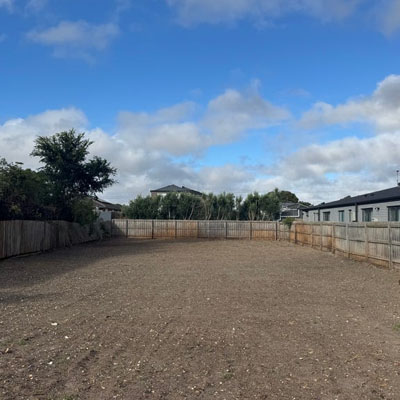
The intended use of the land determines how much work is required after the vegetation has been cleared. If the aim is to create additional garden or recreational space, stump grinding below ground level and retaining mulched vegetation onsite may be sufficient. A residential block being cleared for construction, however, may require more extensive stump removal and the removal of organic material from the proposed building footprint.

It is also worth distinguishing land clearing from earthworks. Removing trees and vegetation does not necessarily include excavation, levelling, soil removal or compaction. If these works are required, they should be accounted for separately when budgeting for the project. Our article on preparing your construction site covers the considerations involved when clearing land ahead of building work.

What Affects Residential Land Clearing Cost - Land condition

What Should Be Included in a Land Clearing Quote?

When comparing prices, it is worth checking exactly what each contractor has allowed for. A detailed land clearing quote should define the boundaries of the work and make it clear which tasks are included in the quoted price.

  • Clearing boundaries: The specific areas of the property included in the work.
  • Retained vegetation: Trees and other vegetation that are to remain undisturbed.
  • Stump treatment: Whether grinding or removal is included or priced separately.
  • Vegetation disposal: Whether material will be mulched onsite or transported away.
  • Site finish: The agreed condition of the land upon completion.
  • Exclusions and additional charges: Any work outside the agreed scope and how unforeseen requirements will be handled.

Establishing these details before accepting a quote makes it easier to compare contractors on a like-for-like basis. It also reduces the likelihood of having to arrange and pay for additional work before the land can be used as intended.

What Affects Residential Land Clearing Cost - Land clearing scope

Planning Residential Land Clearing?

Before arranging land clearing, it helps to have a clear idea of which areas need to be cleared, what vegetation you want to retain and how you intend to use the space afterwards. O’Brien’s Tree Care can assess your property and provide a quote based on the specific requirements of your project. For professional land clearing services across Brisbane, Moreton Bay and the Sunshine Coast, call 07 5497 3116 or contact us online.